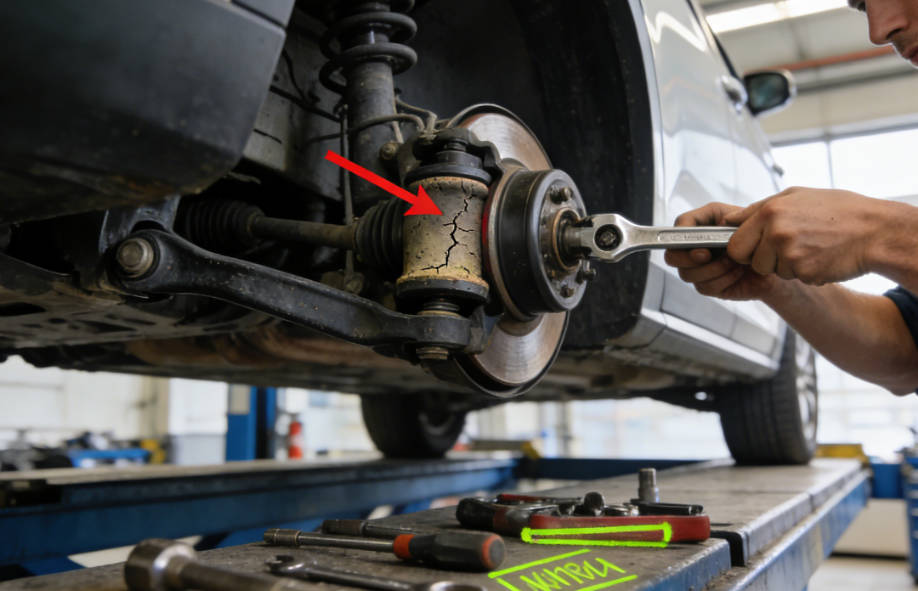
Understanding Chassis Noise
Your car's chassis is like its skeleton - it supports the entire vehicle and connects all the major components. When you start hearing unusual sounds coming from underneath your car - clunks, rattles, squeaks, or groans - it's a sign that something in the chassis or suspension system needs attention.
Chassis noise can be frustrating and concerning, but with the right knowledge, you can quickly diagnose the issue and get it fixed. In this guide, we'll help you identify common chassis noise causes, understand what different sounds mean, and provide practical repair solutions.
Where Is the Noise Coming From?
The first step in diagnosing chassis noise is to determine where it's coming from. Different locations point to different issues:
Front of the Car
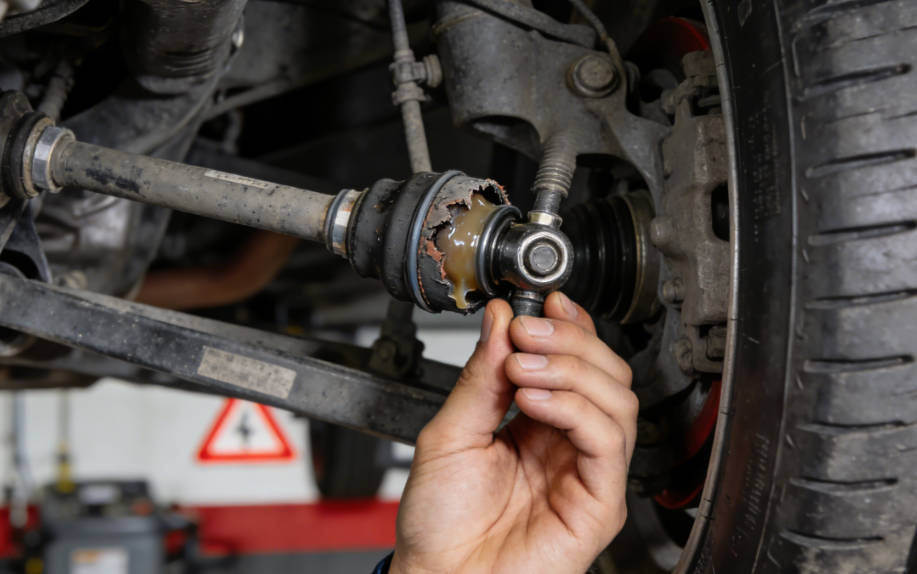
Clunking when turning or going over bumps often indicates issues with tie rods, ball joints, or struts.
Rear of the Car
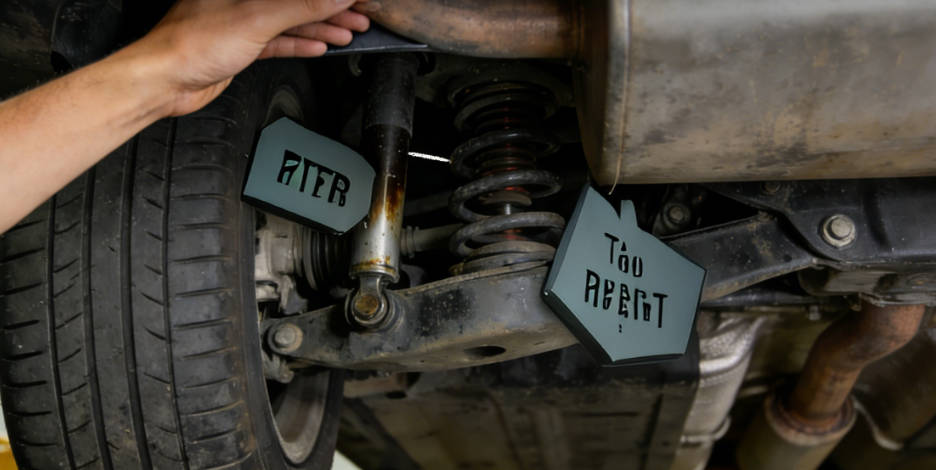
Rattling or squeaking from the rear may be due to worn shock absorbers, sway bar links, or bushings.
Under the Car
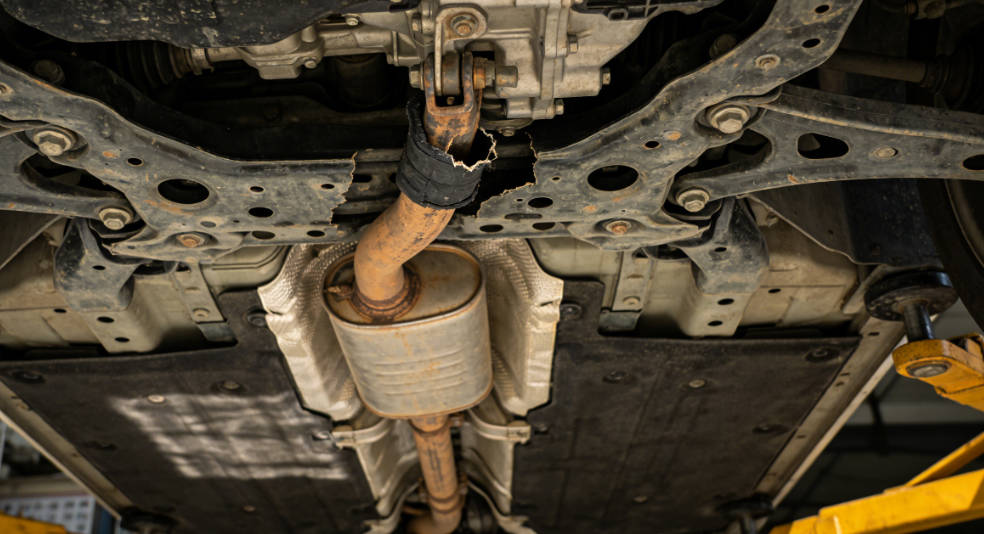
Rattling or scraping when driving over uneven surfaces could mean loose exhaust components or damaged heat shields.
Common Chassis Noise Types and Causes
Chassis noise comes in various forms, each with its own set of common causes:
Clunking Noise
- • Worn ball joints
- • Damaged tie rod ends
- • Loose suspension components
- • Worn strut mounts
Rattling Noise
- • Loose exhaust system
- • Damaged heat shields
- • Worn sway bar links
- • Loose undercarriage panels
Squeaking Noise
- • Worn bushings
- • Dry suspension components
- • Worn brake pads
- • Faulty wheel bearings
Groaning Noise
- • Worn wheel bearings
- • Damaged CV joints
- • Worn differential components
- • Low power steering fluid
How to Diagnose Chassis Noise
Follow these steps to diagnose chassis noise in your car:
1Listen Carefully
Pay attention to when the noise occurs - during acceleration, braking, turning, or over bumps. Note the type of sound and its location.
2Visual Inspection
Check for loose components, damaged parts, or fluid leaks under the car. Look for worn bushings, loose bolts, or damaged exhaust components.
3Bounce Test
Push down firmly on each corner of the car. If it continues to bounce after releasing, the shock absorbers or struts may be worn.
4Wheel Wiggle Test
Grasp each wheel at 12 and 6 o'clock positions and wiggle it. If there's play, the wheel bearings may be worn. Try the same at 3 and 9 o'clock for tie rod issues.
5Drive Test
Drive the car on different road surfaces and pay attention to when the noise occurs. Try turning, braking, and accelerating to isolate the issue.
Common Chassis Noise Repairs
Once you've diagnosed the issue, here are common repair solutions for chassis noise:
Replace Worn Bushings
Worn rubber bushings are a common cause of chassis noise. Replacing them with new bushings can eliminate squeaks and rattles. Use silicone grease on new bushings for longer life.
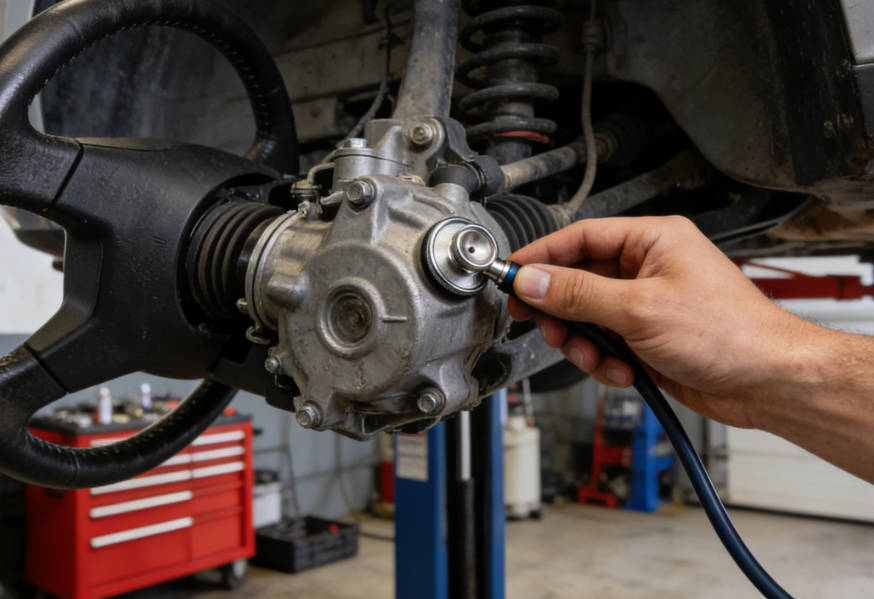
Replacing worn suspension bushings to eliminate chassis noise
Tighten Loose Components
Loose bolts, nuts, or exhaust components can cause rattling noise. Inspect all chassis components and tighten any loose fasteners to the manufacturer's specifications.
Replace Worn Ball Joints or Tie Rods
Worn ball joints or tie rods can cause clunking noise when turning. These are safety-critical components that should be replaced by a professional.
Repair or Replace Exhaust Components
Loose or damaged exhaust components can cause rattling or scraping noise. Repair or replace damaged pipes, mufflers, or heat shields.
When to Call a Professional
While some chassis noise issues can be fixed with simple DIY repairs, there are situations where you should consult a professional mechanic:
- • If you're unsure about the cause of the noise
- • If the noise is accompanied by steering issues
- • If you notice fluid leaks under the car
- • If the noise worsens over time
- • For safety-critical components like ball joints or tie rods
Preventing Chassis Noise
To keep your car's chassis quiet and in good condition, follow these preventive maintenance tips:
Regular Inspections
Have your chassis and suspension system inspected during routine maintenance. Catching issues early can prevent costly repairs later.
Lubricate Components
Keep suspension components properly lubricated to prevent wear and reduce noise. Use silicone grease on bushings and rubber components.
Avoid Rough Roads
Whenever possible, avoid potholes, speed bumps, and rough roads. These can damage chassis components and cause premature wear.
Maintain Proper Tire Pressure
Underinflated tires can put extra stress on the suspension system, leading to premature wear and noise.
Conclusion
Chassis noise can be frustrating, but with the right knowledge, you can quickly diagnose and fix the issue. By understanding where the noise is coming from, what different sounds mean, and how to perform basic inspections, you can keep your car's chassis running quietly and smoothly.
Remember that regular maintenance is key to preventing chassis noise. If you're unsure about the cause of the noise or if it's a safety-critical component, always consult a professional mechanic.
If you notice any chassis noise that concerns you, don't ignore it. Addressing small issues early can prevent more serious problems and ensure your car remains safe and reliable on the road.


Comments