
Understanding Clunking Sounds When Starting Your New Car
It's a disconcerting experience: you turn the key or press the start button on your new car, and you hear an unexpected clunking, thudding, or banging sound. This can be alarming, especially for first-time car owners who expect their new vehicle to run silently and smoothly. In this guide, we'll explore the common reasons for clunking sounds when starting a new car, what new owners often overlook, and practical solutions to fix these issues.
Common Reasons for Clunking Sounds When Starting
Clunking sounds can originate from various parts of your vehicle when starting. Here are the most common culprits that new car owners often overlook:
Engine Mounts
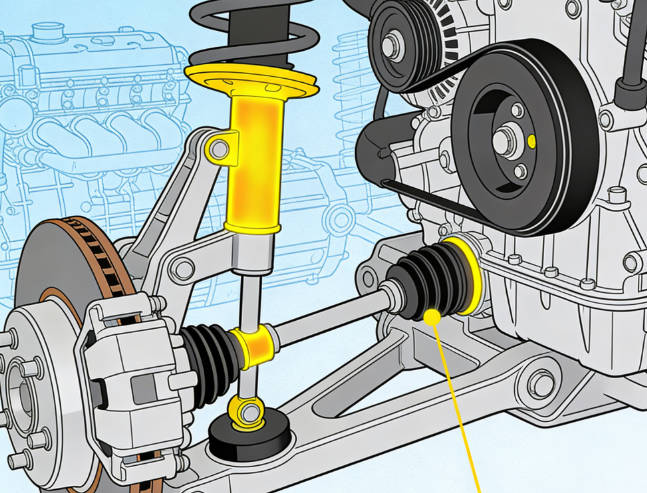
New cars may have engine mounts that haven't fully settled yet, causing a clunk when the engine starts and shifts position slightly.
Transmission Components
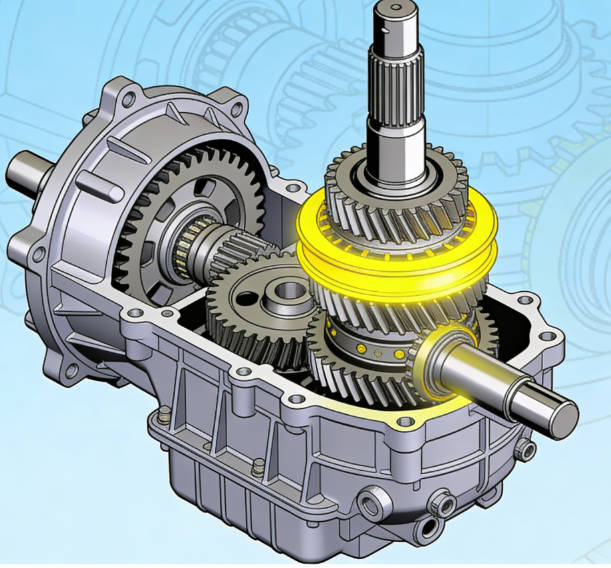
Automatic transmissions can produce a clunk when shifting from park to drive or reverse if the parking pawl isn't fully disengaged.
Suspension Components
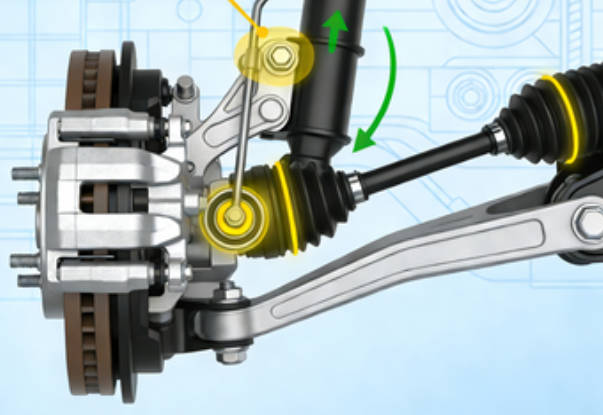
Struts, shocks, or control arms with new bushings may make noise until they're properly lubricated through normal driving.
Starter Motor Issues
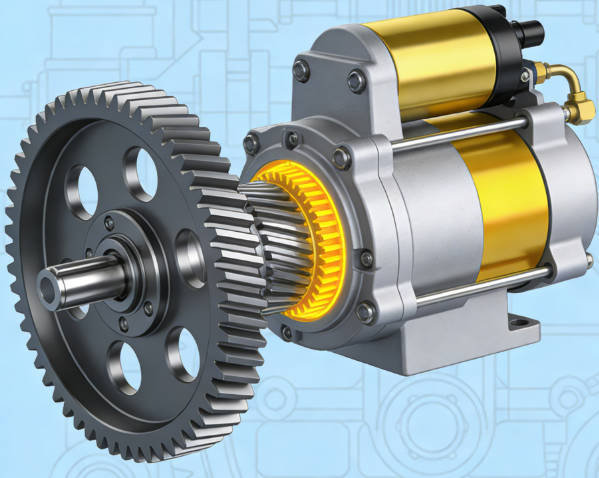
A new starter motor might not be properly aligned with the flywheel or flexplate, causing a clunk during engagement.
Exhaust System
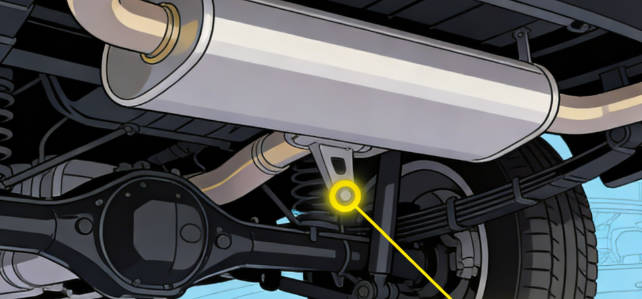
New exhaust systems may have hangers that need adjustment, causing metal-to-metal contact when the engine starts.
Fuel System Pressure
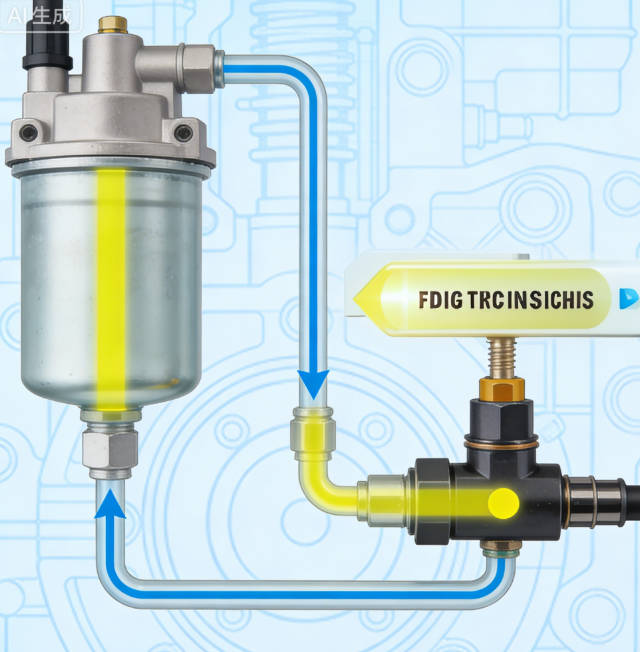
Fuel injectors priming or fuel pumps building pressure can sometimes produce unexpected sounds when starting.
What New Car Owners Often Overlook
Normal Break-In Period
Many new car owners don't realize that vehicles have a break-in period (typically 500-1,000 miles) during which various components settle and lubricate properly.
Factory Lubrication Issues
Some components may not have sufficient factory lubrication, causing noise until additional driving distributes grease properly.
Environmental Factors
Cold weather can cause metal components to contract, making them noisier until they warm up and expand.
Incorrect Parking Habits
Not fully engaging the parking brake or parking on an incline without proper precautions can strain transmission components.
Effective Solutions to Fix Clunking Sounds
Complete the Break-In Period
Many clunking sounds will disappear on their own after you've driven the vehicle for 500-1,000 miles as components settle and lubricate.
Warm Up Your Engine
Allow your engine to warm up for 30-60 seconds on cold days before driving, especially in extreme temperatures.
Check Parking Habits
When parking on inclines, engage the parking brake before shifting into park, and release it after shifting into drive/reverse.
Lubricate Components
If you're comfortable doing so, lubricate any accessible bushings or moving parts with appropriate automotive grease.
Check for Loose Components
Visually inspect your vehicle for any loose parts, especially in the suspension and exhaust systems.
When to Take Your Car to a Professional
While many clunking sounds in new cars are normal and will resolve with time, there are situations where you should consult a professional:
- The clunking sound gets louder or more frequent over time
- You notice fluid leaks under your vehicle
- The clunking is accompanied by other warning signs (dashboard lights, strange smells)
- The noise persists after completing the break-in period
- You feel vibrations or hear rattles while driving
Preventive Measures for New Car Owners
To minimize the chances of clunking sounds and other issues with your new car, follow these preventive measures:
Read Owner's Manual
Understand the manufacturer's break-in recommendations and maintenance schedule.
Regular Inspections
Have your vehicle inspected during routine maintenance visits.
Proper Driving Habits
Avoid aggressive driving, especially during the break-in period.
Conclusion
Clunking sounds when starting a new car are often a normal part of the vehicle's break-in process and will resolve on their own with time. By understanding the common causes and what to overlook, you can avoid unnecessary worry and expensive repairs.
However, if the clunking persists, becomes worse, or is accompanied by other warning signs, it's always best to consult a professional technician to ensure the safety and reliability of your new vehicle. Remember, proper maintenance and driving habits will help your new car run smoothly for years to come.



Comments