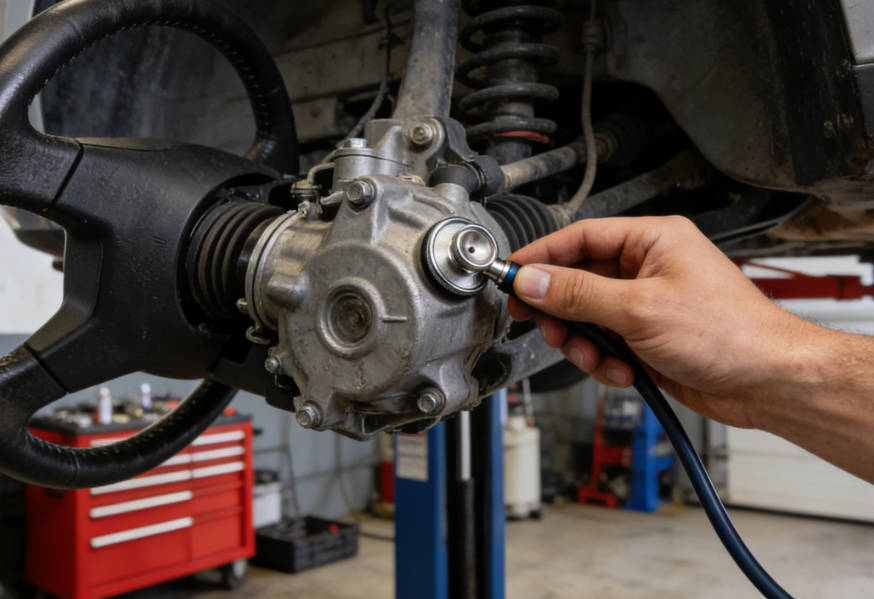
Understanding Steering Noise in New Cars
As a new car owner, you expect a smooth, quiet driving experience. But when you start hearing unusual sounds when turning the steering wheel—clicks, squeaks, groans, or grinding—it can be concerning. Is this normal for a new vehicle, or is there a problem that needs immediate attention?
The good news is that many steering noises in new cars are normal or easily fixable. In this comprehensive guide, we'll help you diagnose the type of noise you're hearing, understand common causes, and provide practical solutions to get your steering system running quietly again.
Types of Steering Noise and What They Mean
Steering noise can manifest in different ways, and each type often points to a specific issue. Here's how to identify what you're hearing:
Clicking Sound When Turning
A repetitive clicking or popping noise that increases with turning angle is often caused by worn CV joints or loose steering components.
Squeaking or Squealing
High-pitched squeaks when turning typically indicate an issue with the power steering belt, low power steering fluid, or worn steering rack.
Grinding Noise
A grinding or growling sound is more serious and often points to worn steering components, damaged bearings, or problems with the power steering system.
Whining or Humming
A continuous whine that gets louder when turning usually indicates low power steering fluid or a failing power steering pump.
Common Causes of Steering Noise in New Cars
While a new car should have minimal issues, steering noise can still occur. Here are the most common causes:
| Noise Type | Common Causes | Normal or Problem? |
|---|---|---|
| Clicking/Popping | CV joint issues, loose steering components, or suspension problems | Problem - needs inspection |
| Squeaking | Dry steering components, low power steering fluid, or belt issues | May be normal initially, but should be checked |
| Grinding | Worn bearings, damaged steering rack, or power steering problems | Problem - requires immediate attention |
| Whining | Low power steering fluid or failing power steering pump | Problem - needs fluid check |
DIY Solutions to Fix Steering Noise
For minor steering noise issues, you can try these simple solutions before visiting a mechanic:
Check Power Steering Fluid Level
Low power steering fluid is a common cause of steering noise. Locate the power steering reservoir (refer to your owner's manual), check the fluid level, and top it up if necessary with the recommended fluid type.
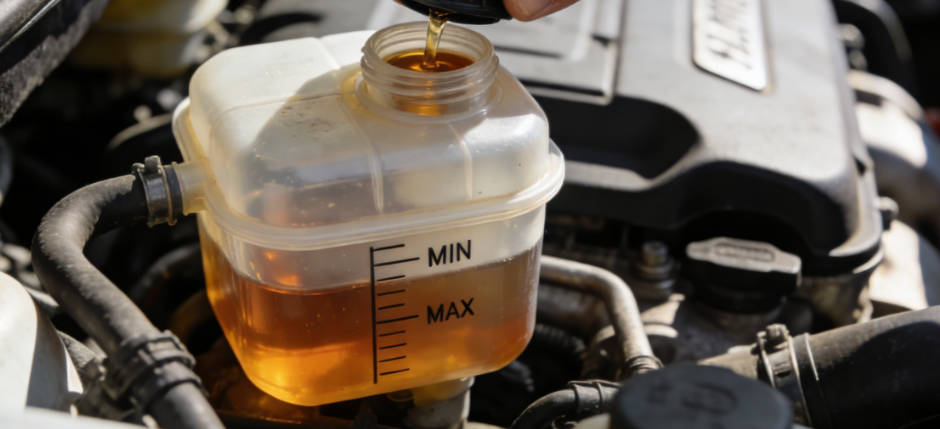
Locate the power steering reservoir and check fluid level against the dipstick markings
Inspect Steering Belt
A loose or worn power steering belt can cause squeaking. Check the belt for proper tension and signs of wear or damage. If it's loose, it may need adjustment by a mechanic.
Lubricate Steering Components
Dry bushings or ball joints can cause squeaking. Use a silicone-based lubricant on accessible steering components, being careful not to get lubricant on brake components.
Check Tire Pressure
Uneven tire pressure can sometimes cause unusual steering feedback or noise. Ensure all tires are inflated to the manufacturer's recommended pressure.
When to Visit a Mechanic
While some steering noise issues are minor, there are situations where you should consult a professional immediately:
- Grinding or growling noise when turning
- Clicking noise that increases with speed
- Steering wheel feels loose or has excessive play
- Steering fluid is leaking (look for red or brown fluid under your car)
- Vehicle pulls to one side when driving straight
- Power steering warning light is illuminated
Preventive Maintenance Tips
To keep your steering system quiet and in good condition, follow these preventive maintenance tips:
Regular Inspections
Have your steering system inspected during routine maintenance.
Check Fluid Levels
Monitor power steering fluid levels regularly.
Proper Lubrication
Ensure all steering components are properly lubricated.
Conclusion
Steering noise in new cars can be unsettling, but it's often normal or easily fixable. By learning to identify different types of steering sounds and understanding their common causes, you can determine whether the noise requires immediate attention or if it's something that will resolve itself.
Remember that regular maintenance is key to keeping your steering system running smoothly. If you're unsure about the noise or if it persists despite your DIY efforts, don't hesitate to consult a professional mechanic to ensure your safety on the road.
If you notice any steering noise that concerns you, especially if it's accompanied by changes in steering performance, schedule an inspection with a qualified mechanic right away. Your safety is paramount.


Comments