Taking care of your car doesn't have to be intimidating. With a basic understanding of essential maintenance tasks, you can save money, extend the life of your vehicle, and ensure it stays safe and reliable. This beginner-friendly guide will walk you through the most important car maintenance tasks you should know.
Whether you're a new car owner or just looking to take more control of your vehicle's care, this checklist covers everything from simple weekly checks to more involved monthly and seasonal maintenance.
Beginner's Tip
Always consult your vehicle's owner manual for manufacturer-specific recommendations. Maintenance schedules can vary by make, model, and year.
Comprehensive Maintenance Checklist
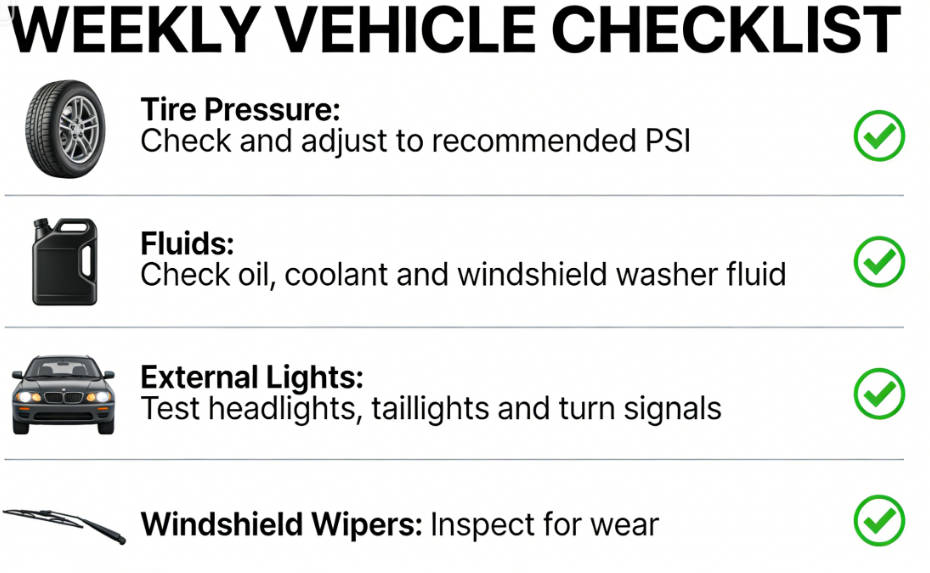
Weekly Checks
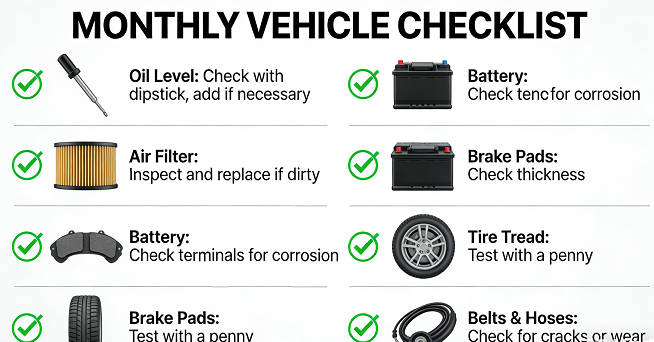
Monthly Checks
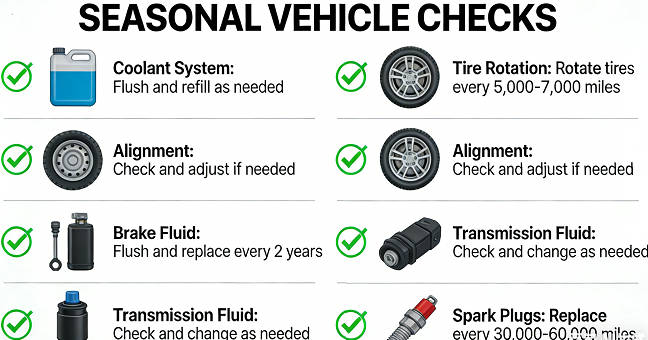
Seasonal Checks
Step-by-Step Tutorials
How to Check and Change Oil
-
1
Park on a Level Surface
Ensure your car is parked on a flat surface and the engine is cool.
-
2
Locate the Oil Dipstick
Find the dipstick under the hood (usually marked with a yellow or orange handle).
-
3
Check Oil Level
Pull out the dipstick, wipe it clean, reinsert it fully, then pull it out again. The oil level should be between the "min" and "max" marks.
-
4
Change Oil (if needed)
Place a drain pan under the oil pan, remove the drain plug, let the oil drain completely, replace the filter, and refill with new oil.
How to Check and Adjust Tire Pressure
-
1
Find Recommended PSI
Check your vehicle's door jamb or owner manual for the recommended tire pressure.
-
2
Use a Tire Gauge
Remove the valve cap and press the gauge onto the valve stem to get the reading.
-
3
Adjust Pressure
Add air if pressure is too low, or release air if it's too high. Recheck until you reach the recommended PSI.
Essential Tools for DIY Maintenance
Basic Toolkit
Screwdrivers, wrenches, pliers
Tire Pressure Gauge
Digital or analog
Oil Filter Wrench
For oil filter changes
Jack & Jack Stands
For lifting your vehicle
Fluid Funnels
For adding fluids cleanly
Battery Tester
To check battery health
When to Seek Professional Help
While many maintenance tasks are DIY-friendly, some should always be left to professionals:
- Brake system repairs
- Transmission work
- Engine diagnostics
- Air conditioning repairs
- Suspension work
Final Thoughts
Regular car maintenance is one of the best investments you can make as a car owner. By following this checklist, you'll not only save money on costly repairs but also ensure your vehicle remains safe and reliable for years to come.
Remember, consistency is key. Establishing a regular maintenance routine will help you stay on top of essential tasks and catch potential issues early.