Taking care of your car doesn't have to mean expensive trips to the mechanic. Many basic maintenance tasks can be performed at home with minimal tools and a little know-how. Not only will you save money, but you'll also develop a better understanding of how your vehicle works, which can help you catch potential issues early.
In this guide, we'll walk you through some of the most common and cost-effective DIY car maintenance tasks. We'll provide real scenarios, help you decide when to DIY vs. hire a professional, and give you clear, step-by-step instructions.
Tools You'll Need
Basic Toolkit
Socket set, wrenches, screwdrivers
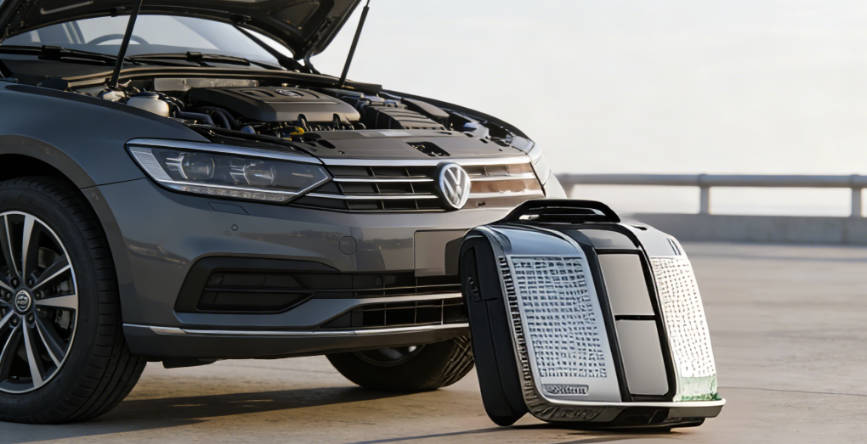
Fluids Tester
Coolant, brake fluid testers
Filter Wrench
Oil filter removal tool
Safety Gear
Gloves, goggles, jack stands
Essential DIY Maintenance Tasks
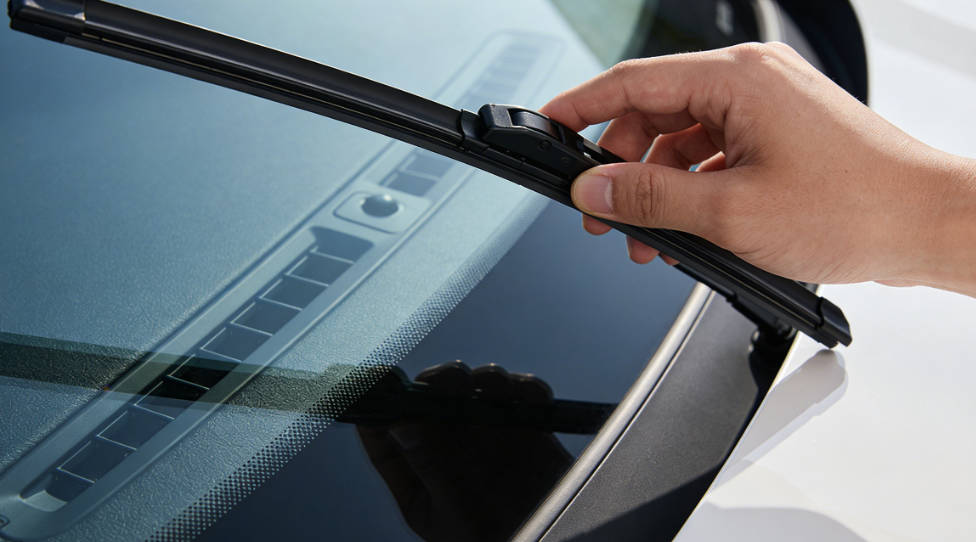
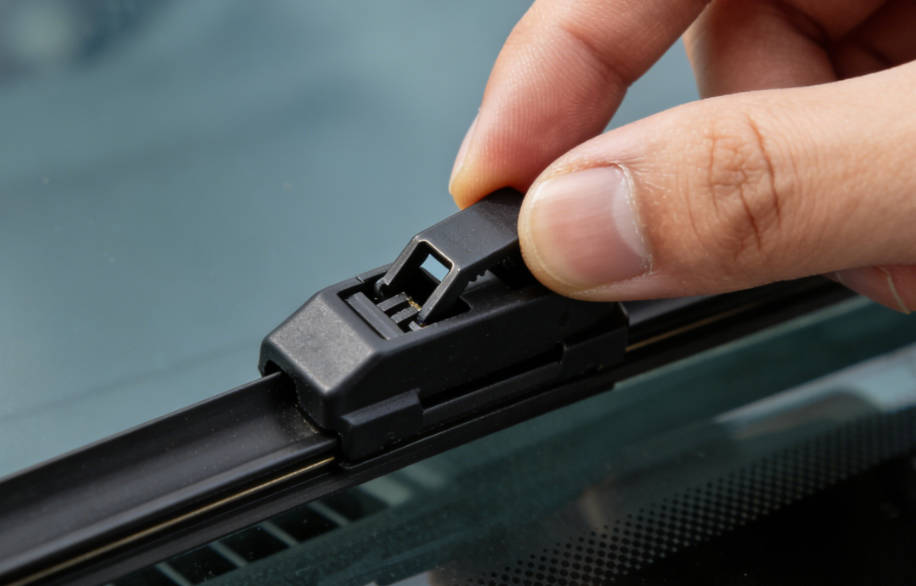
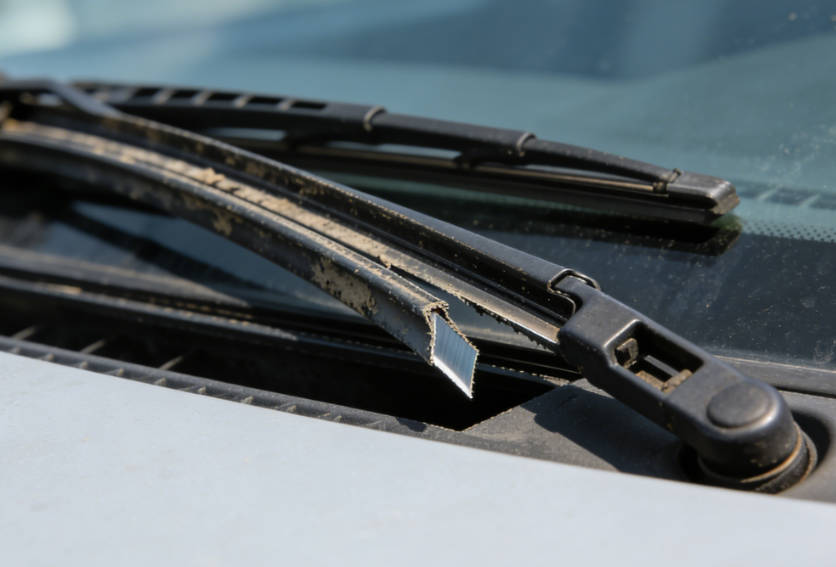
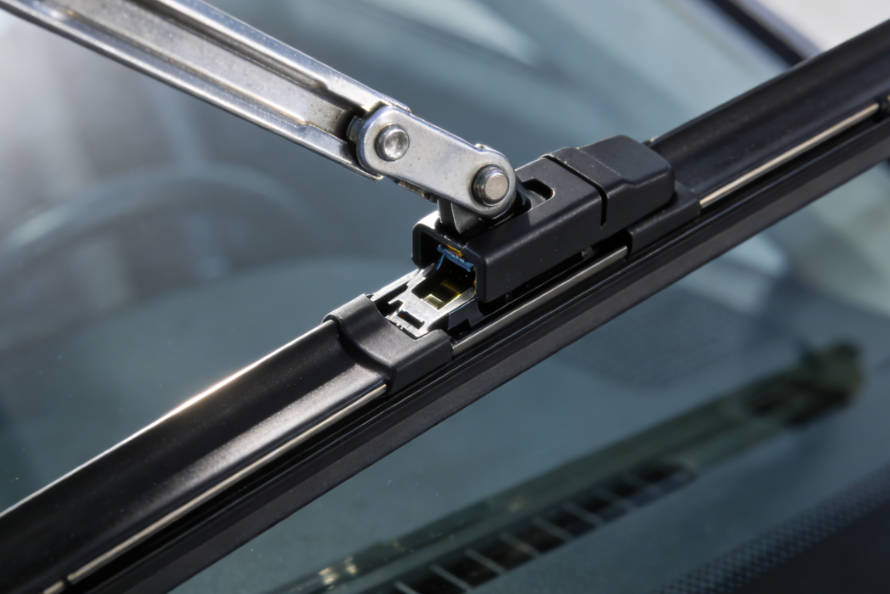
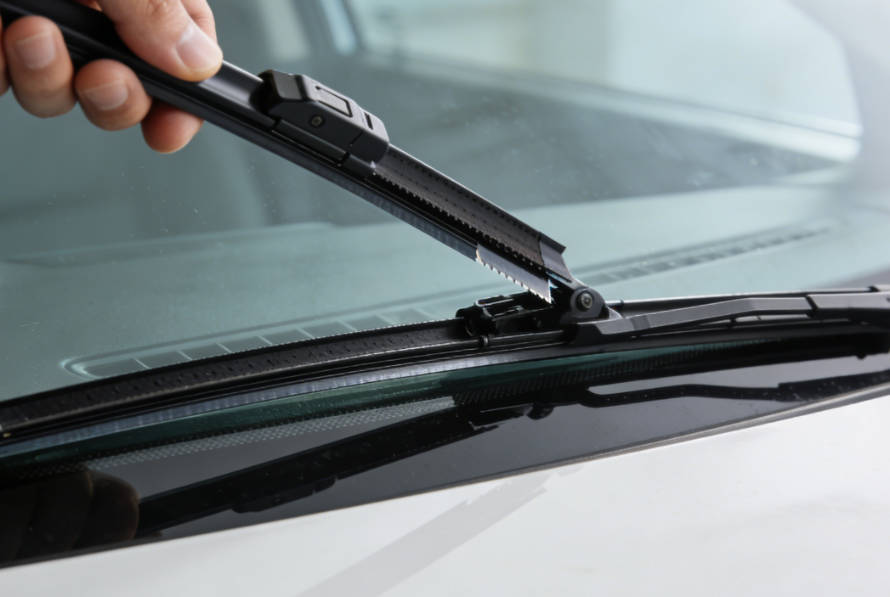
Replacing Wiper Blades
Time needed: 10 minutes • Cost: $15-$30 • Difficulty: Beginner
Scenario: Your wiper blades leave streaks on the windshield, reducing visibility during rain. You notice the rubber is cracked or torn.
Decision Criteria: Always DIY this task. It's quick, easy, and significantly cheaper than paying a mechanic.
Step-by-Step Instructions:
- Lift the wiper arm away from the windshield
- Press the release tab on the blade connector
- Slide the old blade off the wiper arm
- Slide the new blade onto the arm until it clicks into place
- Gently lower the wiper arm back to the windshield
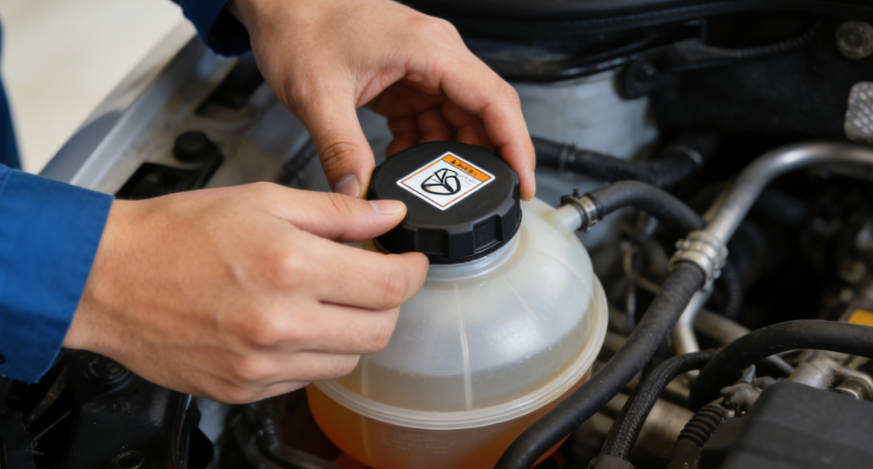
Checking and Topping Up Fluids
Time needed: 15 minutes • Cost: $5-$20 • Difficulty: Beginner
Scenario: You notice fluid stains under your car or the low fluid warning light comes on.
Decision Criteria: DIY for topping up common fluids. If you notice significant leaks or unusual fluid colors, consult a professional.
Step-by-Step Instructions:
- Park your car on level ground and let the engine cool
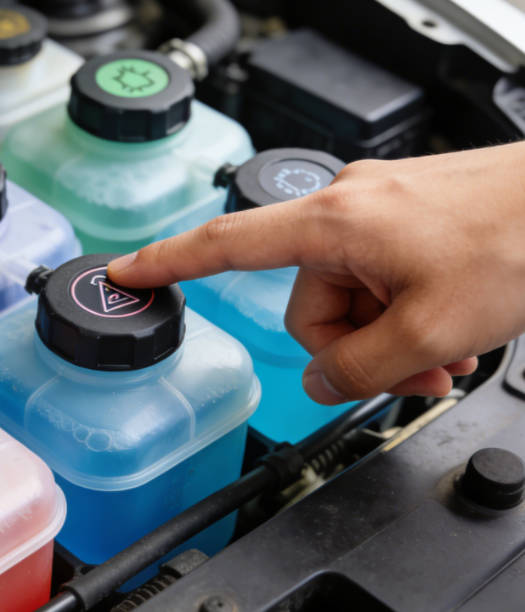
- Locate the fluid reservoirs under the hood (each has a labeled cap)
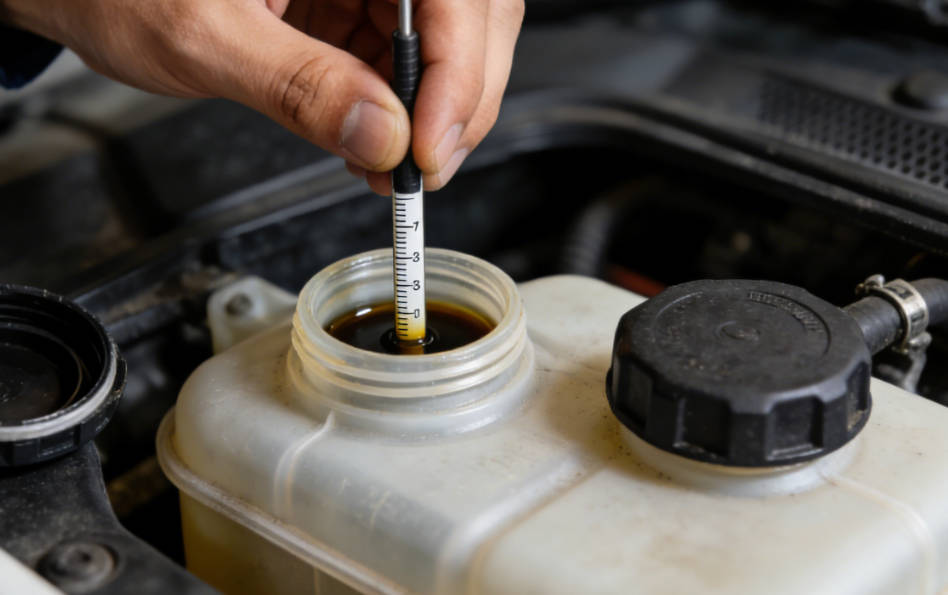
- Remove the cap and check the fluid level using the dipstick or indicator
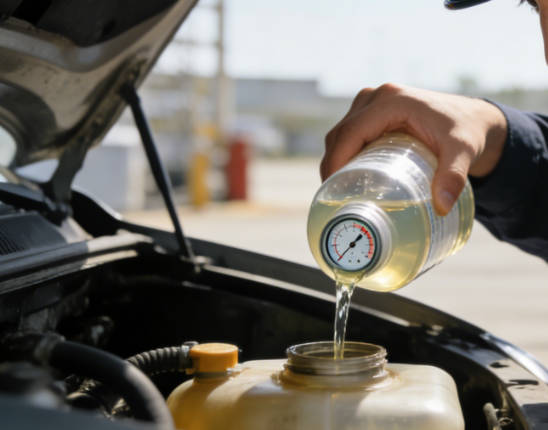
- Add the appropriate fluid slowly, checking the level frequently
- Replace the cap securely
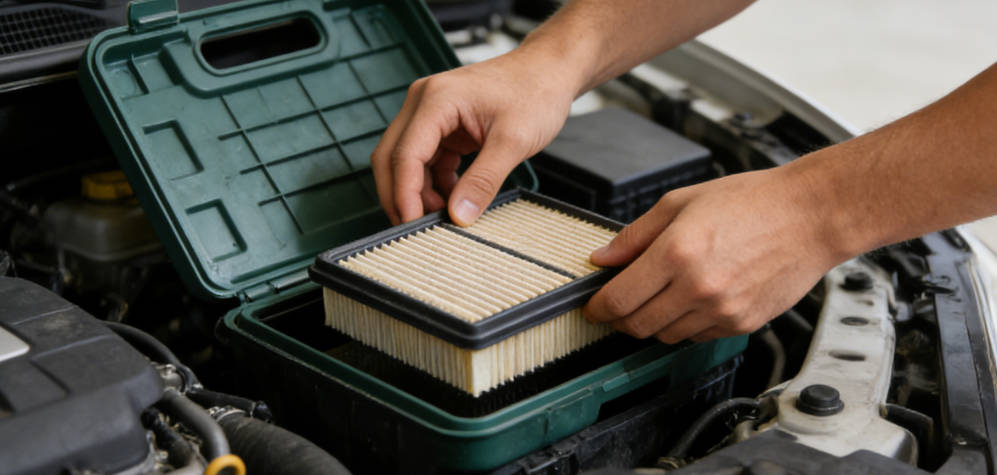
Changing Air Filter
Time needed: 10 minutes • Cost: $10-$25 • Difficulty: Beginner
Scenario: Your car feels less responsive, or you notice reduced fuel efficiency. The air filter has been in place for over a year.
Decision Criteria: Always DIY. The air filter is easy to access and replace, and a clean filter improves performance.
Step-by-Step Instructions:
- Locate the air filter box (usually near the front of the engine bay)
- Open the box by removing the clips or screws
- Remove the old filter and inspect it (it should be replaced if dirty)
- Insert the new filter with the airflow direction arrow pointing correctly
- Close and secure the air filter box
Changing Spark Plugs
Time needed: 30-45 minutes • Cost: $20-$40 • Difficulty: Intermediate
Scenario: Your car misfires, has trouble starting, or you've driven over 30,000 miles since the last change.
Decision Criteria: DIY if you're comfortable with basic engine work. If your engine has complicated access to spark plugs, consider professional help.
Step-by-Step Instructions:
- Locate the spark plug wires or ignition coils
- Disconnect one wire/coil at a time to avoid mixing up the order
- Use a spark plug socket and ratchet to remove the old plug
- Gap the new plug to the manufacturer's specifications
- Install the new plug and tighten it to the recommended torque
- Reconnect the wire/coil
DIY vs. Professional Cost Comparison
| Maintenance Task | DIY Cost | Professional Cost | Savings |
|---|---|---|---|
| Wiper Blade Replacement | $15-$30 | $30-$50 | $15-$20 |
| Air Filter Change | $10-$25 | $30-$60 | $20-$35 |
| Spark Plug Replacement | $20-$40 | $100-$200 | $80-$160 |
| Oil Change | $20-$40 | $50-$100 | $30-$60 |
| Battery Replacement | $80-$150 | $150-$250 | $70-$100 |
| Total Annual Savings | $155-$285 | $360-$660 | $205-$375 |
Important Safety Tips
Work on a Cool Engine
Never attempt maintenance on a hot engine. Allow it to cool for at least 30 minutes.
Use Jack Stands
Never rely on a car jack alone. Always use jack stands when working under the vehicle.
Wear Protective Gear
Use gloves, safety goggles, and closed-toe shoes when working on your car.
Read Your Owner's Manual
Always consult your vehicle's manual for specific instructions and torque specifications.
Frequently Asked Questions
Always take your car to a professional if you're dealing with complex issues like transmission problems, brake system overhauls, engine rebuilding, or electrical system diagnostics. If a task requires specialized tools or expertise beyond your comfort level, it's better to pay for professional service than risk causing more damage.
Always check your owner's manual for recommended part numbers and specifications. When purchasing parts, provide your vehicle's year, make, and model to ensure compatibility. For critical components, consider using OEM (Original Equipment Manufacturer) parts for the best fit and performance.
If you make a minor mistake, consult online resources or automotive forums for guidance. For more serious mistakes that could affect safety (like brake work), stop immediately and have a professional inspect and repair the damage. It's better to spend money fixing a mistake than risk an accident.