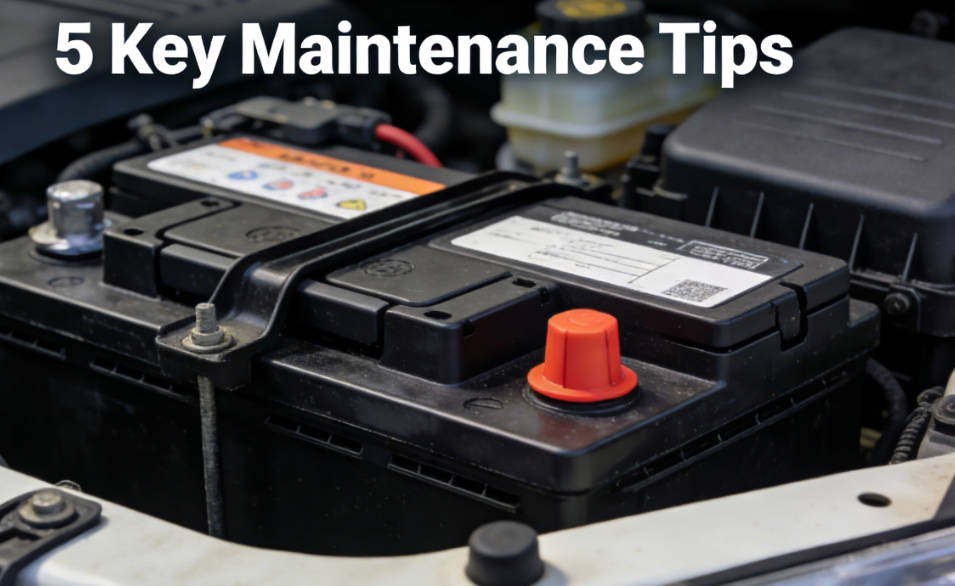
Maximize Your Car Battery's Life
Expert maintenance tips for long-lasting performance

Car Battery Maintenance: Tips to Extend Lifespan
What You'll Learn
- How to check your battery's health status
- Preventing winter battery drain and summer overheating
- Correct charging techniques for maximum lifespan
- Troubleshooting common battery issues
- When to replace vs. repair your battery
Real Usage Scenarios
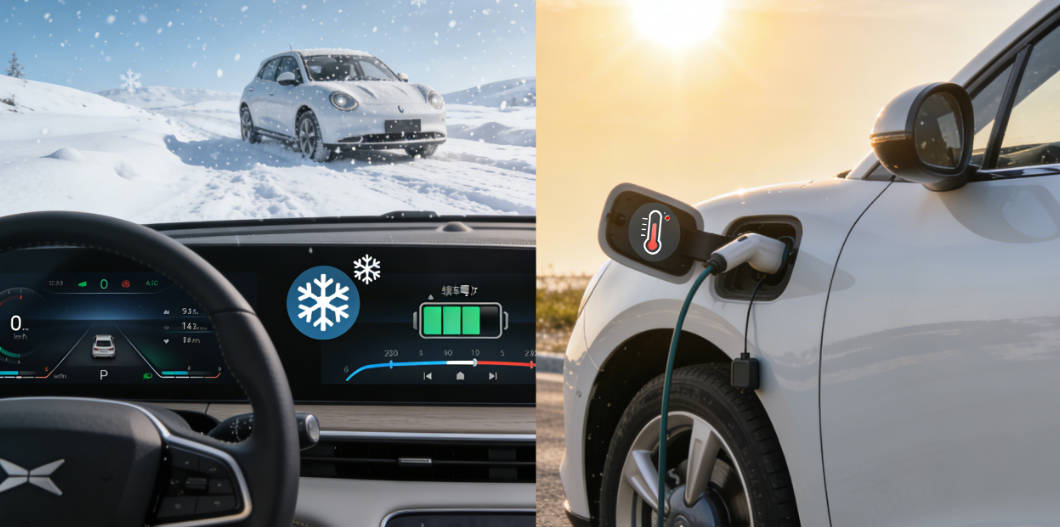
Cold Weather Challenge
You live in a region with harsh winters, and your car struggles to start on cold mornings.
Occasional Driver
You only drive your car on weekends, and it often sits unused for days at a time.
Electrical Load
Your car has many aftermarket electronics that drain the battery quickly.
Hot Climate
You live in a hot desert climate where temperatures regularly exceed 100°F.
How to Check Battery Health
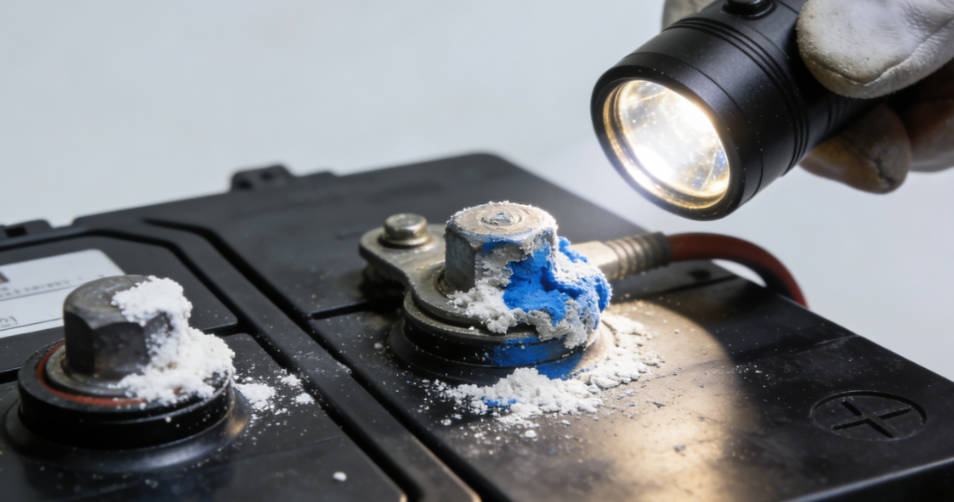
Visual Inspection
- Step 1: Check for corrosion on terminals (white/blue powdery substance)
- Step 2: Inspect battery case for cracks or bulging
- Step 3: Ensure battery is securely mounted
- Step 4: Check fluid level (for non-sealed batteries)
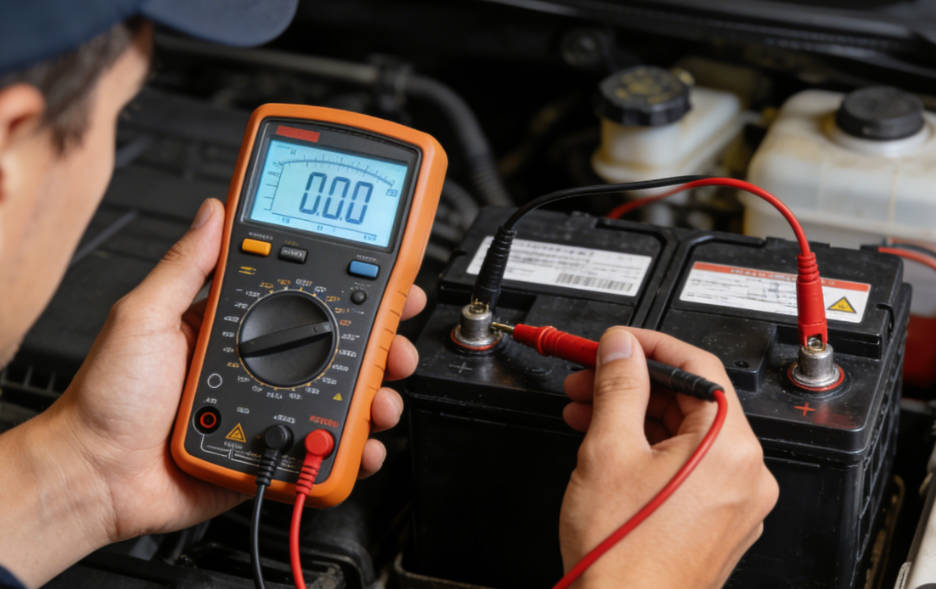
Voltage Testing
- Step 1: Use a multimeter to check voltage
- Step 2: Healthy battery should read 12.6V or higher when off
- Step 3: Should rise to 13.7-14.7V when engine is running
- Step 4: Perform load test if voltage is low
Decision Criteria
- Replace immediately: Voltage below 12V when off, cracked case, or severe corrosion that can't be cleaned
- Charge and test: Voltage between 12.3-12.5V when off
- Monitor closely: Minor corrosion, voltage above 12.6V but battery is more than 3 years old
Seasonal Battery Maintenance
Preventing Winter Battery Drain
- Keep battery fully charged - cold weather reduces capacity by 30-50%
- Park in a garage if possible to protect from extreme cold
- Turn off all electronics before starting the engine
- Consider a battery blanket or heater for extremely cold climates
Actionable Options:
- Option 1: Purchase a battery charger/maintainer for winter months
- Option 2: Have your battery tested professionally before winter
- Option 3: Keep jumper cables in your car for emergencies
Preventing Summer Battery Issues
- Keep battery clean - dirt and grime conduct electricity
- Check electrolyte levels (for non-sealed batteries)
- Avoid excessive idling in hot weather
- Park in shade when possible to reduce heat exposure
Actionable Options:
- Option 1: Clean battery terminals with baking soda and water
- Option 2: Apply terminal protectant spray after cleaning
- Option 3: Have cooling system checked to reduce engine heat
Correct Charging Techniques
Best Practices for Charging
- Use the right charger: Choose a charger with automatic shut-off to prevent overcharging
- Slow charge is better: 2-10 amp chargers are gentler than fast chargers
- Charge in a well-ventilated area: Charging produces hydrogen gas
- Disconnect negative terminal first: Prevents electrical arcs
Common Charging Mistakes
- Overcharging
- Fast charging
- Charging in enclosed spaces
- Using damaged cables
Your Actionable Maintenance Plan
| Frequency | Task | Tools Needed | Expected Time |
|---|---|---|---|
| Monthly | Visual inspection & voltage check | Multimeter, flashlight | 10 minutes |
| Every 3 months | Clean terminals & apply protectant | Baking soda, water, brush, terminal spray | 15 minutes |
| Every 6 months | Load test & professional inspection | Professional equipment | 30 minutes |
| Before winter | Full charge & cold weather prep | Battery charger (optional) | 2 hours (including charging) |
When to Replace Your Battery
Warning Signs It's Time for Replacement
- Slow engine crank when starting
- Battery is more than 4-5 years old
- Check engine light is on
- Electrical components malfunctions
- Sulfur smell (rotten eggs) from battery
Decision Criteria for Replacement
- Replace: Battery fails load test, has physical damage, or is over 5 years old
- Recondition: Battery has low voltage but no physical damage (may extend life temporarily)
- Maintain: Battery passes all tests but is over 3 years old
Final Thoughts
Proper car battery maintenance is essential for reliable vehicle performance, especially in extreme weather conditions. By following these expert tips and creating a regular maintenance routine, you can extend your battery's lifespan significantly.
Remember that prevention is always better than replacement. A little time invested in battery maintenance can save you from unexpected breakdowns and costly replacements down the road.
Comments [4]
John Miller
Great article! I've been having trouble with my battery in cold weather. The winter maintenance tips were exactly what I needed. I'll be cleaning the terminals and checking the voltage this weekend.
Lisa Chen
The table with the maintenance plan is so helpful! I've printed it out and put it in my glove compartment. Now I have a clear schedule to follow for battery maintenance.
Robert Wilson
I only drive my car on weekends, so the occasional driver scenario was perfect for me. I didn't realize how much sitting unused affects the battery. I'm going to get a trickle charger now.