
With gas prices fluctuating and environmental concerns growing, improving your car's fuel efficiency is more important than ever. Whether you're commuting to work, taking road trips, or just running errands, small changes to your driving habits and maintenance routine can lead to significant savings at the pump. In this comprehensive guide, we'll provide expert tips, real usage scenarios, and actionable options to help you maximize your vehicle's fuel economy.
Why Fuel Efficiency Matters
- Save money on fuel costs (potentially hundreds of dollars per year)
- Reduce your carbon footprint and environmental impact
- Extend the life of your vehicle through better maintenance
- Improve overall driving performance and handling
Real Usage Scenarios

- Scenario 1: You commute 50 miles round trip daily in stop-and-go traffic
- Scenario 2: You frequently take long highway trips for family vacations
- Scenario 3: You drive an older vehicle that seems to be losing fuel efficiency
- Scenario 4: You're considering a new car purchase and want to prioritize fuel economy
Driving Habits for Better Fuel Efficiency
Your driving style has one of the biggest impacts on fuel efficiency. Here are practical tips to improve your habits:
Key Driving Techniques
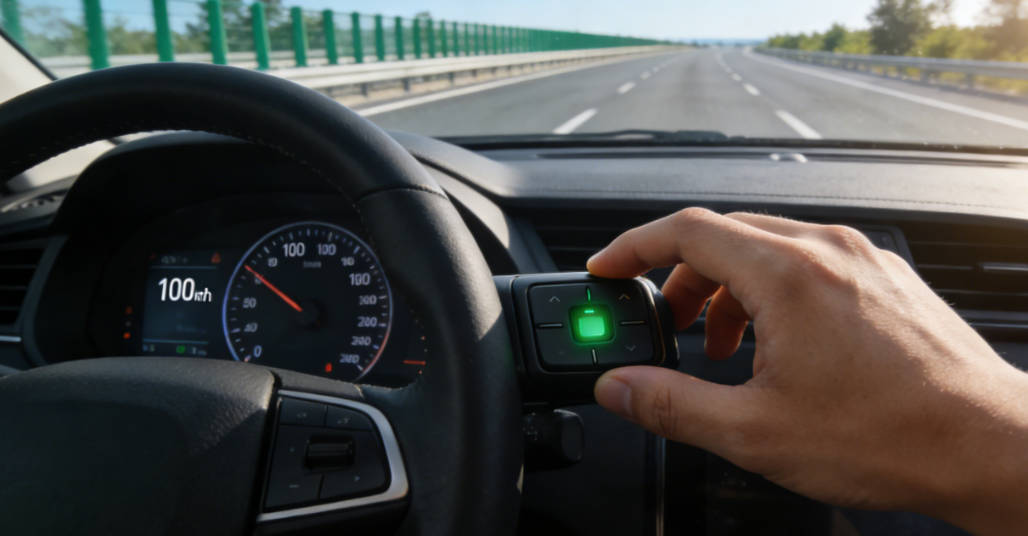
- Maintain steady speeds: Use cruise control on highways to avoid unnecessary acceleration and deceleration
- Avoid aggressive driving: Rapid acceleration, hard braking, and speeding can reduce fuel efficiency by 15-30%
- Anticipate traffic: Look ahead and adjust your speed gradually to avoid sudden stops
- Reduce idle time: Turn off your engine if you'll be stopped for more than 30 seconds (except in traffic)
- Use the right gear: Shift to higher gears promptly in manual cars, and avoid over-revving
Decision Criteria
- For highway driving: Maintain speeds between 55-65 mph - every 5 mph over 60 mph is like paying $0.15 more per gallon
- For stop-and-go traffic: Use gentle acceleration and coast to stops when possible
- For cold weather: Drive gently for the first few miles to warm up the engine efficiently
Vehicle Maintenance for Optimal Fuel Economy
Proper maintenance not only keeps your car running smoothly but also improves fuel efficiency:
Essential Maintenance Tips
- Keep tires properly inflated: Underinflated tires can reduce fuel efficiency by 0.3% for every 1 psi drop in pressure
- Replace air filters regularly: A dirty air filter can reduce fuel efficiency by up to 10%
- Use the recommended motor oil: Using the wrong oil can increase fuel consumption by 1-2%
- Maintain proper wheel alignment: Misaligned wheels can reduce fuel efficiency by up to 10%
- Check and replace oxygen sensors: Faulty sensors can reduce fuel efficiency by 20-40%
Vehicle Loading and Aerodynamics
How you load and equip your vehicle can significantly impact fuel efficiency:
Tips for Better Aerodynamics
- Remove unnecessary weight: Every 100 pounds of extra weight can reduce fuel efficiency by 1-2%
- Remove roof racks and carriers: Roof-mounted accessories can reduce fuel efficiency by 2-8% in city driving and 6-17% on the highway
- Keep windows closed at high speeds: Open windows create drag, reducing fuel efficiency at speeds above 50 mph
- Use air conditioning wisely: At low speeds, use vents; at high speeds, use AC (which is more efficient than open windows)
Fuel and Fuel System Care
The fuel you use and how you maintain your fuel system also affect efficiency:
Fuel-Saving Strategies
- Use the recommended fuel grade: Using premium fuel when regular is recommended provides no benefit
- Fill up early or late in the day: Fuel is denser when cooler, giving you more for your money
- Keep your fuel tank at least half full: This prevents condensation and keeps the fuel pump lubricated
- Consider fuel additives cautiously: Most provide little to no benefit - check manufacturer recommendations
Actionable Options by Scenario
For Commuters (Scenario 1)
- Option 1: Try carpooling or public transportation 1-2 days per week
- Option 2: Leave 15 minutes earlier to avoid peak traffic
- Option 3: Use a navigation app to find routes with less traffic
- Option 4: Consider a hybrid or electric vehicle for your next purchase
For Highway Drivers (Scenario 2)
- Option 1: Use cruise control to maintain steady speeds
- Option 2: Remove roof racks when not in use
- Option 3: Plan your route to avoid excessive idling or stopping
- Option 4: Pack light and distribute weight evenly in the vehicle
For Older Vehicles (Scenario 3)
- Option 1: Get a complete tune-up (spark plugs, filters, fluids)
- Option 2: Check and replace oxygen sensors if needed
- Option 3: Consider switching to synthetic oil
- Option 4: Compare repair costs vs. fuel savings for major maintenance
Improving fuel efficiency isn't about driving slowly or buying an expensive new car - it's about making smart choices and developing good habits that benefit both your wallet and the environment.
Measuring Your Progress
To track your fuel efficiency improvements:
- Record your fuel purchases and mileage regularly
- Use a fuel tracking app like Fuelly, MyCarFax, or a simple spreadsheet
- Compare your results over time to see which tips are most effective
- Reset your trip odometer when filling up to track efficiency per tank
Conclusion
Improving your vehicle's fuel efficiency is a combination of smart driving habits, regular maintenance, and thoughtful vehicle use. By implementing the tips in this guide and tailoring them to your specific driving scenario, you can save money, reduce your environmental impact, and get more miles out of every gallon of fuel.
Remember that even small changes can add up to significant savings over time. Start with a few easy tips, track your progress, and gradually incorporate more strategies as you become comfortable. Your wallet - and the planet - will thank you.
Comments [3]
Sarah Johnson
Great tips! I started using cruise control more often on my highway commute and noticed a 15% improvement in fuel efficiency. The roof rack tip was also helpful - I removed mine and saw another 5% improvement.
Mike Thompson
I drive an older pickup truck and was skeptical these tips would help, but after getting a tune-up and checking my tire pressure regularly, I've saved about $30 per month on gas. Worth the effort!
Emily Rodriguez
The scenario-based options were really helpful for my daily commute. I started leaving earlier to avoid traffic and using the AC instead of open windows on the highway - both made a noticeable difference!