
Understanding Brake Noise in New Cars
As a new car owner, brake noise often raises concerns, especially when the vehicle is just hitting the road. You might hear some high-pitched squeaks or grinding sounds, but is this really a major problem? This article will help you understand the common causes and provide simple, practical solutions to easily handle brake noise in your new car.
It's a scenario that plays out for countless new car owners: you drive your shiny new vehicle off the lot, and within days (or sometimes even hours), you notice unexpected squeaking, grinding, or clicking sounds when you apply the brakes. Before panic sets in, here's some reassuring news: brake noise is extremely common in new cars, and in most cases, it's completely normal and harmless.
In fact, automotive experts estimate that over 70% of new vehicles experience some form of brake noise during the first few thousand miles. This is often simply a result of the brake system's break-in process or minor manufacturing residues. In this guide, I'll share what I've learned about the common causes of brake noise in new cars, the mistakes many owners make when faced with this issue, and easy, safe solutions to fix it.
Common Causes of Brake Noise
Brake noise can come in various forms - squeaking, grinding, clicking, or even humming. Understanding the common causes of brake noise in new cars helps you identify whether it's a normal issue or something that requires attention:
Brake Pad Material Composition
Modern brake pads are typically made from one of three materials: organic (resin-based), metallic (containing steel fibers), or ceramic (synthetic compounds). Many new cars come equipped with semi-metallic or ceramic pads for better performance and durability.
The noise you're hearing is often caused by what engineers call "tribological noise" - vibrations created when the pad material interacts with the brake rotor surface. Metallic pads, in particular, can produce high-frequency squeaks during the break-in period as the pad material evenly distributes across the rotor surface.
Surface Rust
Even new brakes can develop surface rust if the car has been sitting for a while. This rust usually wears off after a few brake applications.
Brake Dust Accumulation
Dust from braking can build up between the pads and rotors, causing squeaking or grinding sounds.
Loose Components
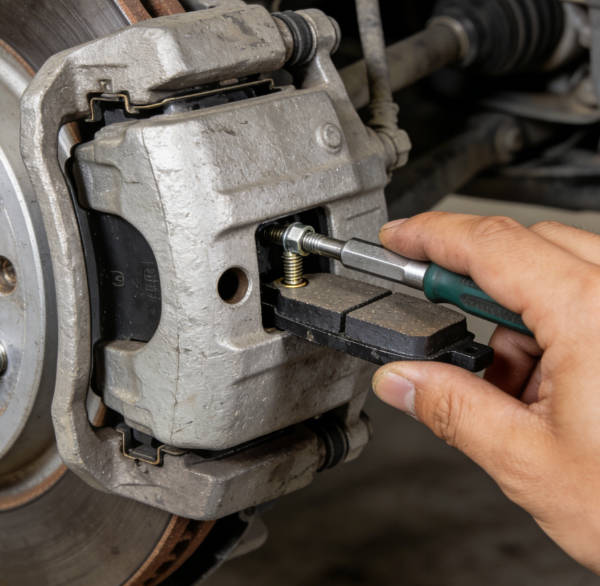
Sometimes, brake components like caliper bolts or shims can become slightly loose during transportation.
Common Mistakes to Avoid
Ignoring the Noise
While some brake noise is normal in new cars, ignoring it completely can lead to more serious issues down the road.
Immediately Replacing Brakes
Many new car owners make the mistake of replacing perfectly good brake pads because of noise. This is unnecessary and expensive.
Using Wrong Cleaning Products
Some cleaning products can damage brake components or leave residues that cause more noise.
Attempting Complex Repairs Without Experience
Brake systems are critical for safety. Complex repairs should be left to professionals.
Easy Solutions to Fix Brake Noise
The Importance of the Brake Break-in Period
Every new brake system needs a proper break-in (or "bedding in") period to perform optimally. During this process, a thin layer of pad material transfers to the brake rotor, creating an even mating surface that minimizes noise and maximizes stopping power.
Most manufacturers recommend a break-in procedure that involves 10-20 gentle stops from moderate speeds (30-50 mph) followed by cooldown periods. This allows the pad material to seat evenly without overheating.
Moderate Hard Stops (When Safe)
If conditions permit and you feel comfortable doing so, you might try 2-3 moderately firm stops from highway speeds (around 60 mph). This can help remove any surface rust and accelerate the pad seating process.
Important note: Only do this in a safe, open area with no traffic, and allow your brakes to cool completely afterward to avoid warping the rotors.
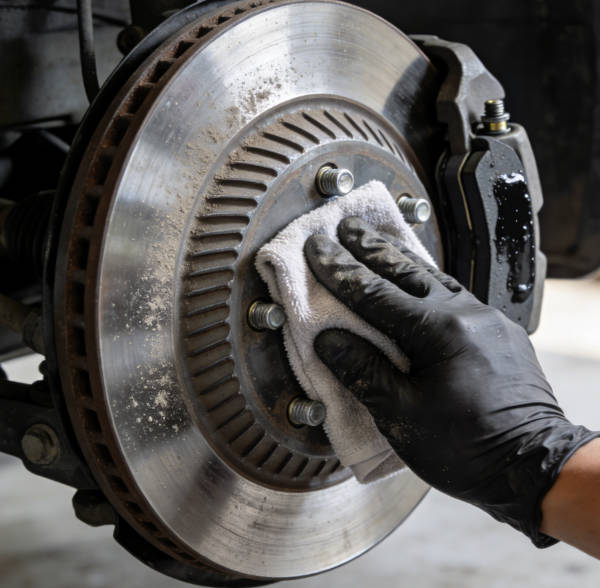
Clean the Brakes
Use these step-by-step instructions to clean your brakes and eliminate noise caused by dust and debris:
Step 1: Prepare Safety Equipment and Tools
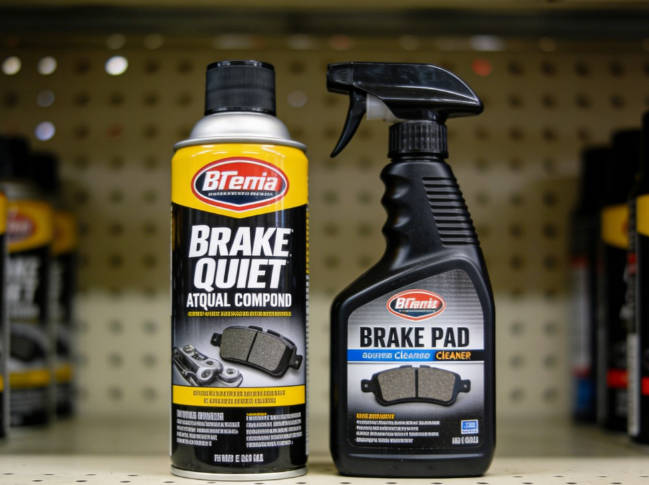
Gather brake cleaner spray, safety glasses, gloves, and a clean microfiber cloth. Work in a well-ventilated area away from open flames.
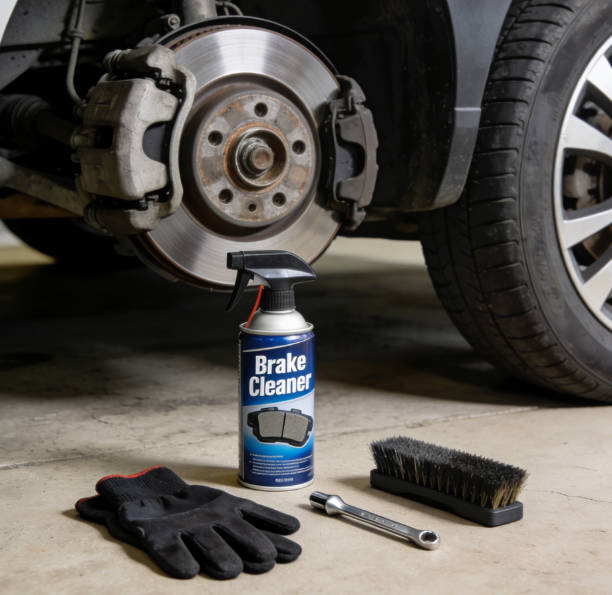
Step 2: Locate the Brake Components
Park your car on a flat surface and secure it. Remove the wheel to access the brake rotors and pads, or work through the wheel spokes if possible.
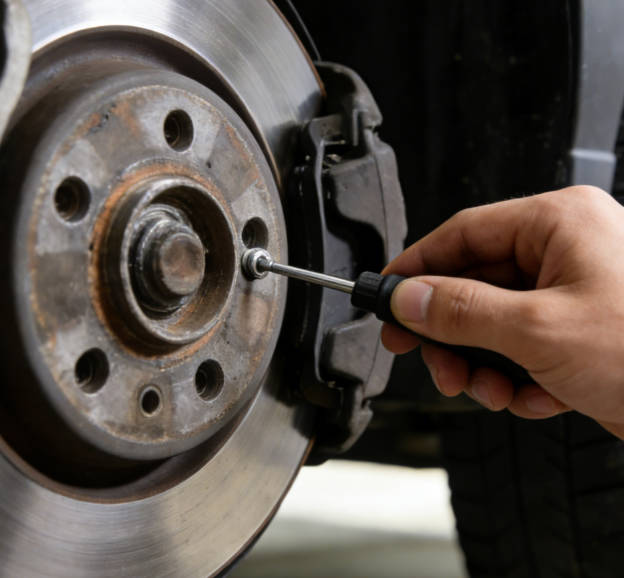
Step 3: Spray Brake Cleaner on Rotors
Hold the brake cleaner can 6-8 inches from the rotor surface and spray thoroughly to remove dust and grime.
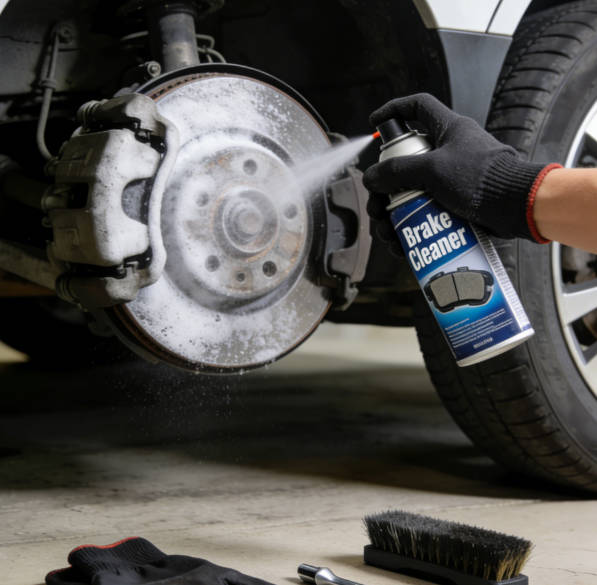
Step 4: Clean the Brake Pads
Carefully spray the brake cleaner on the brake pads, making sure to clean both sides if accessible.
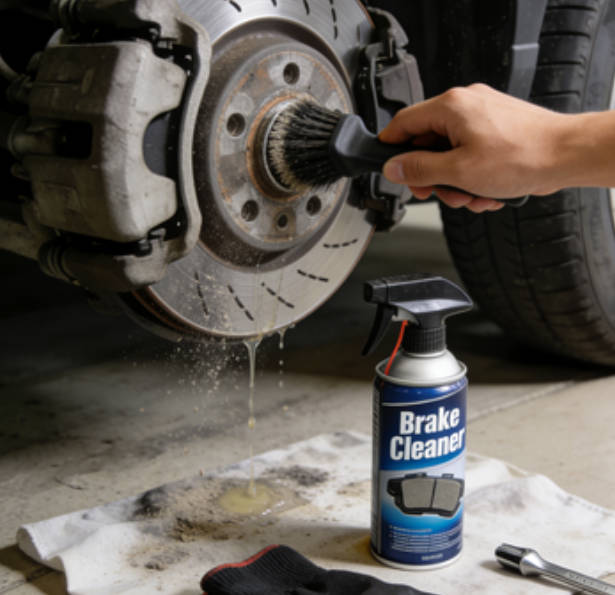
Step 5: Let Dry and Wipe
Allow the brake cleaner to evaporate completely, then gently wipe the rotors with a clean microfiber cloth.
Apply Anti-Squeal Compound
Follow these steps to apply anti-squeal compound and eliminate high-frequency brake squeaking:
Step 1: Gather Materials
You'll need anti-squeal compound (available at auto parts stores), safety gloves, and a clean cloth.
Step 2: Remove or Access Brake Pads
Depending on your vehicle, you may need to remove the wheel and caliper to access the brake pads. Refer to your owner's manual for specific instructions.
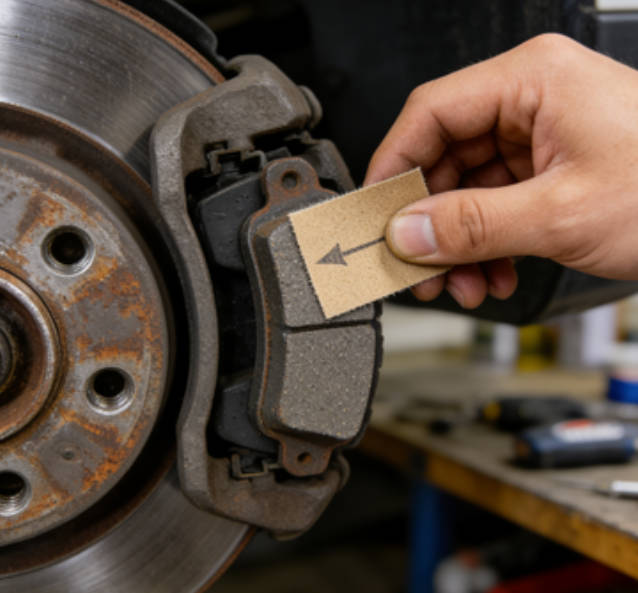
Step 3: Clean Brake Pad Backing
Use a clean cloth to remove any dust or debris from the back of the brake pad (not the friction surface).
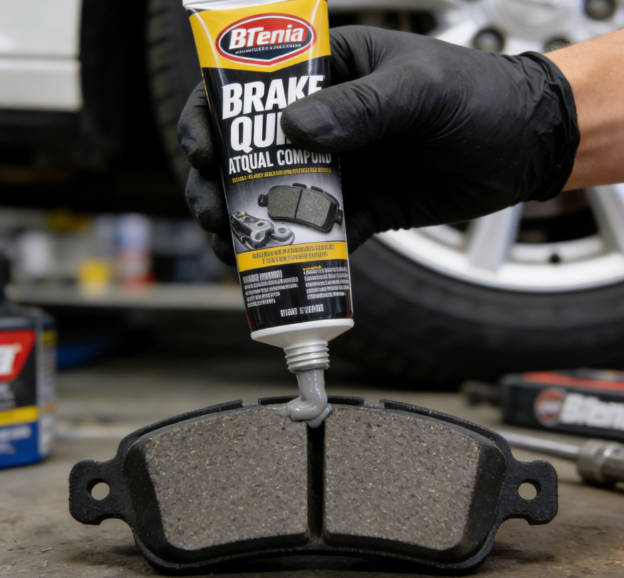
Step 4: Apply Anti-Squeal Compound
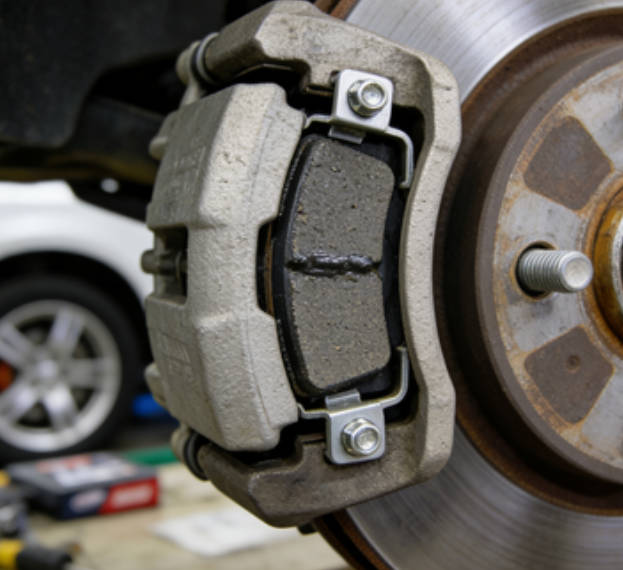
Apply a thin, even layer of anti-squeal compound to the back of the brake pad. Avoid getting it on the friction surface or piston area.
Step 5: Reinstall Components
Reinstall the brake pads, caliper, and wheel. Torque all bolts to the manufacturer's specifications.
Check for Loose Components
Visually inspect the brake components for any loose bolts or shims. Tighten them if necessary, but be careful not to over-tighten.
When to Seek Professional Help
While many brake noise issues in new cars are minor and can be resolved with simple solutions, there are situations where you should consult a professional mechanic for brake noise diagnosis:
- Grinding noise that persists after cleaning
- Vibrations in the steering wheel when braking
- Soft or spongy brake pedal
- Brake warning light illuminated on the dashboard
- Excessive brake dust accumulation
Preventive Maintenance Tips
To keep your brakes quiet and in good condition, follow these preventive maintenance tips for brake noise prevention:
Regular Inspections
Have your brakes inspected during routine maintenance.
Clean Brakes
Periodically clean your brakes to remove dust and debris.
Quality Pads
Use high-quality brake pads when replacements are needed.
Conclusion
As a car enthusiast who has owned multiple new vehicles over the years, I can tell you that brake noise is almost always a normal part of the ownership experience. The key is understanding what's causing it and taking simple, appropriate steps to address it.
By recognizing that most brake noise in new cars is harmless, avoiding unnecessary repairs, and following the manufacturer's break-in procedures, you can enjoy a quiet, reliable braking system.
Most importantly, make brake system inspections part of your regular vehicle maintenance routine. A quick check during oil changes or tire rotations can catch potential issues early and ensure your brakes continue to perform at their best for years to come.
If you find that brake noise persists despite trying these solutions, don't hesitate to have your vehicle inspected by a professional mechanic to ensure your safety on the road. Remember, addressing small issues early can prevent more serious problems down the line.



Comments