Engine oil is the lifeblood of your vehicle, lubricating its moving parts and ensuring smooth operation.
Knowing when to change your engine oil and understanding the consequences of neglecting this simple yet critical maintenance task can save you thousands of dollars in repairs and extend the life of your car.
When Should You Change Your Engine Oil?
The frequency of oil changes depends on several factors, including your vehicle's make and model, driving habits, and the type of oil you use.
General Guidelines
Conventional Oil
Every 3,000 to 5,000 miles (5,000 to 8,000 km)
Synthetic Oil
Every 7,500 to 10,000 miles (12,000 to 16,000 km)
Full Synthetic Oil
Every 10,000 to 15,000 miles (16,000 to 24,000 km)
Factors That Affect Oil Change Frequency
- • Stop-and-go city driving (more frequent changes needed)
- • Towing heavy loads (increases oil degradation)
- • Extreme temperatures (both hot and cold)
- • Short trips (oil doesn't reach optimal operating temperature)
- • Vehicle age (older engines may require more frequent changes)
Critical Warning: Don't Ignore Oil Changes
Skipping oil changes might seem like a way to save money in the short term, but it can lead to catastrophic engine failure and expensive repairs.
Consequences of Not Changing Oil On Time
Increased Engine Wear
`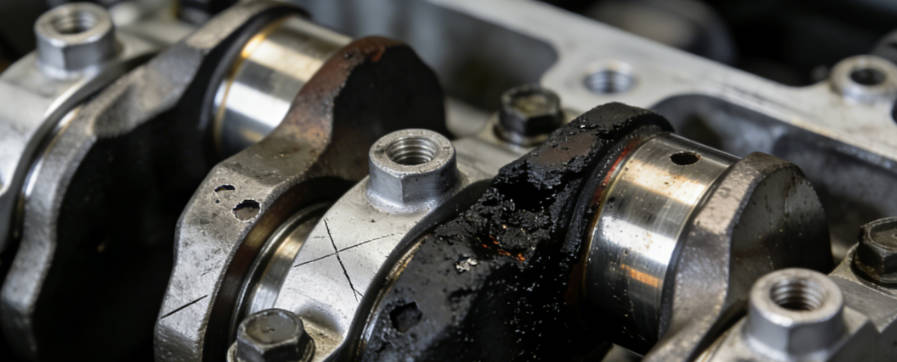
As oil ages, it loses its lubricating properties, causing metal components to rub against each other directly. This leads to excessive wear on engine parts like pistons, bearings, and camshafts.
Overheating
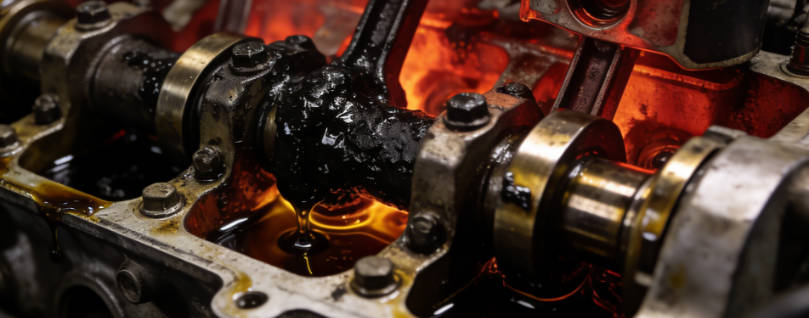
Old oil can't effectively dissipate heat from the engine. This can cause your engine to overheat, potentially warping critical components and leading to complete engine failure.
Sludge Buildup
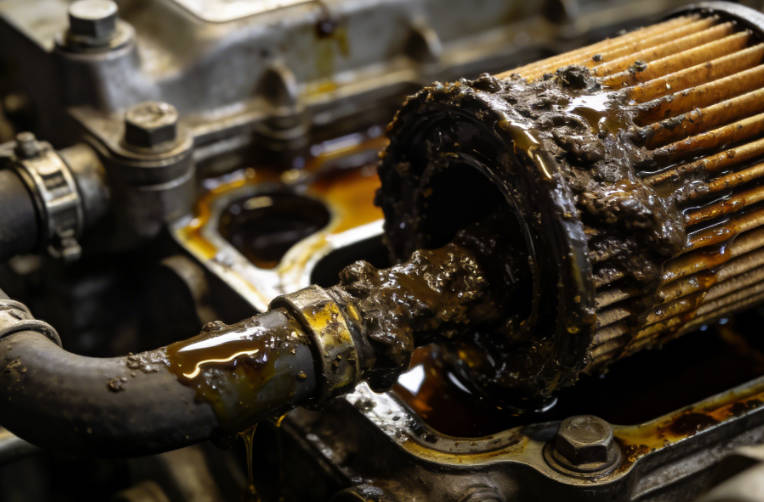
Over time, oil breaks down and forms sludge. This thick, tar-like substance clogs oil passages and filters, preventing proper lubrication and causing pressure buildup.
Reduced Fuel Efficiency
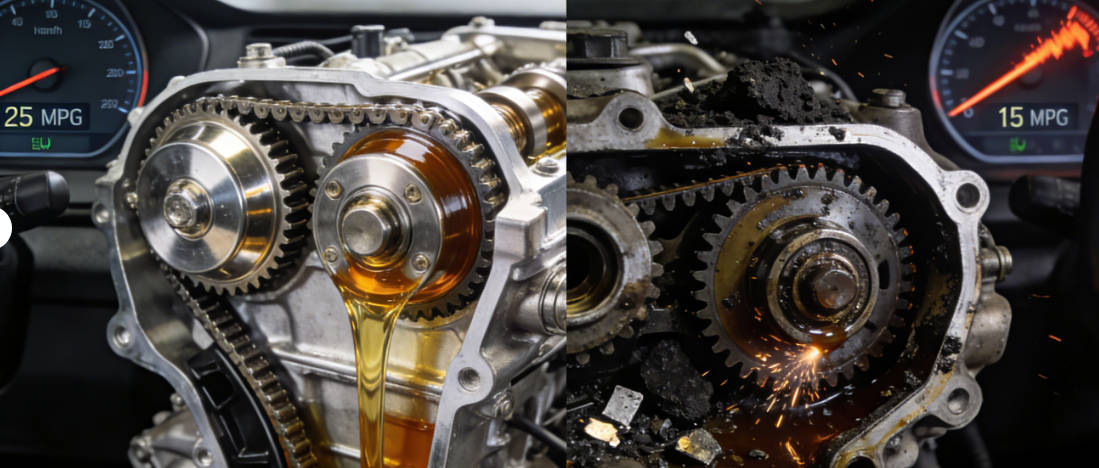
Engines with old, dirty oil have to work harder to operate, which increases fuel consumption. You may notice a significant drop in miles per gallon if you neglect oil changes.
Engine Failure
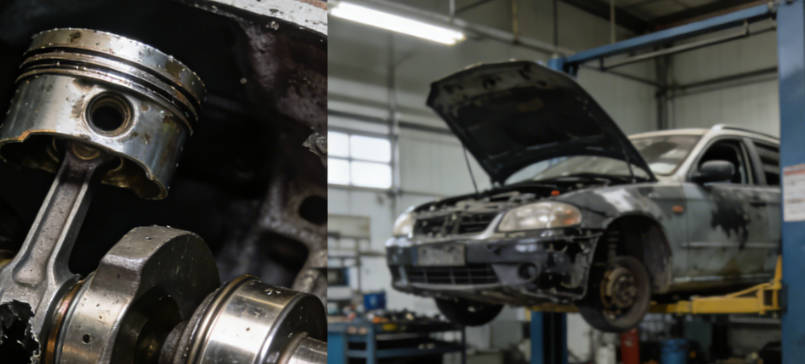
The ultimate consequence of prolonged oil neglect is complete engine failure. Rebuilding or replacing an engine can cost anywhere from $3,000 to $10,000+, depending on your vehicle.
Voided Warranty
Most vehicle warranties require regular oil changes as part of routine maintenance. Failing to provide proof of oil changes can void your warranty, leaving you responsible for all repair costs.
Signs Your Car Needs an Oil Change
Don't just rely on mileage. Watch for these warning signs that indicate it's time for an oil change:
Oil Pressure Warning Light
This dashboard light indicates low oil pressure, which could be due to old or low oil.
Dark, Dirty Oil
Fresh oil is amber in color. If it's dark brown or black, it's time for a change.
Engine Noise
Knocking or ticking sounds can indicate poor lubrication from old oil.
Burning Smell
A burning odor from the engine bay could be due to overheating caused by old oil.
Exhaust Smoke
Blue smoke from the exhaust indicates oil burning, often due to old, ineffective oil.
Past Due Date
If you've exceeded your recommended oil change interval, don't delay.
Oil Maintenance Tips
- Check your oil level monthly using the dipstick
- Use the recommended oil viscosity for your vehicle (check owner's manual)
- Consider synthetic oil for better protection, especially in extreme conditions
- Change the oil filter every time you change the oil
- Keep records of all oil changes for warranty purposes
- Have oil changes performed by a qualified technician
- Consider oil analysis for older vehicles to determine optimal change intervals
- Don't top off old oil - it's better to change it completely
Frequently Asked Questions
Final Thoughts
Changing your engine oil on time is one of the simplest and most cost-effective ways to maintain your vehicle's health and longevity.
The small investment in regular oil changes pales in comparison to the potential cost of engine repairs or replacement. Make oil changes a priority in your vehicle maintenance routine.
Your engine will thank you, and your wallet will too!