Understanding High Fuel Consumption
As a new car owner, you might be surprised by how quickly your fuel gauge drops. High fuel consumption not only hits your wallet but also contributes to environmental pollution. Many new drivers unknowingly make simple mistakes that waste gas. This guide will help you identify these common pitfalls and provide actionable solutions to improve your fuel efficiency.
Common Fuel-Saving Mistakes New Car Owners Make
1. Aggressive Driving Habits
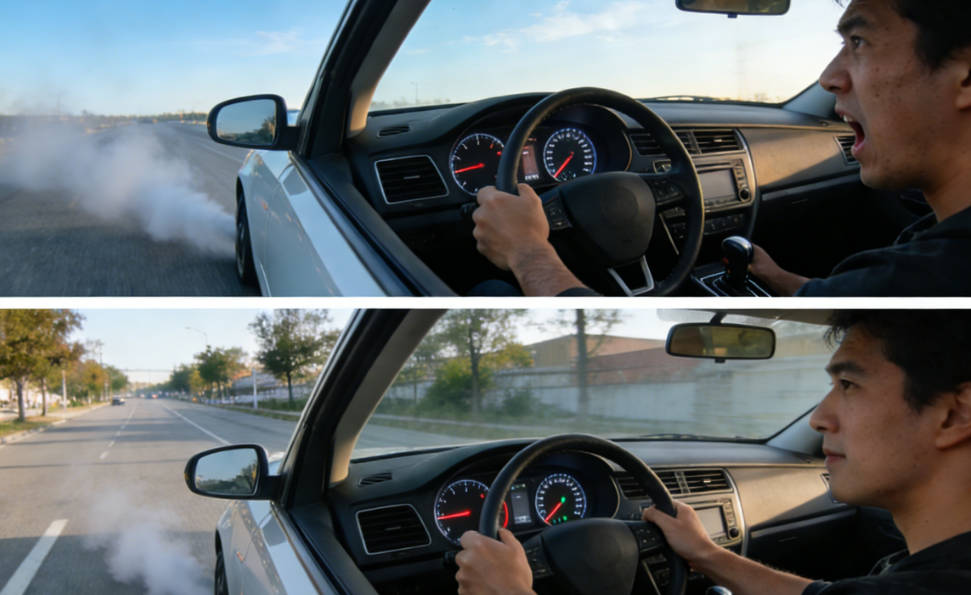
Many new drivers accelerate quickly and brake hard, especially when excited about their new car. This "jackrabbit" driving style can increase fuel consumption by 15-30% at highway speeds and 10-40% in stop-and-go traffic. Rapid acceleration uses more fuel than gradual acceleration, and hard braking wastes the energy you've already used to build speed.
2. Ignoring Tire Pressure
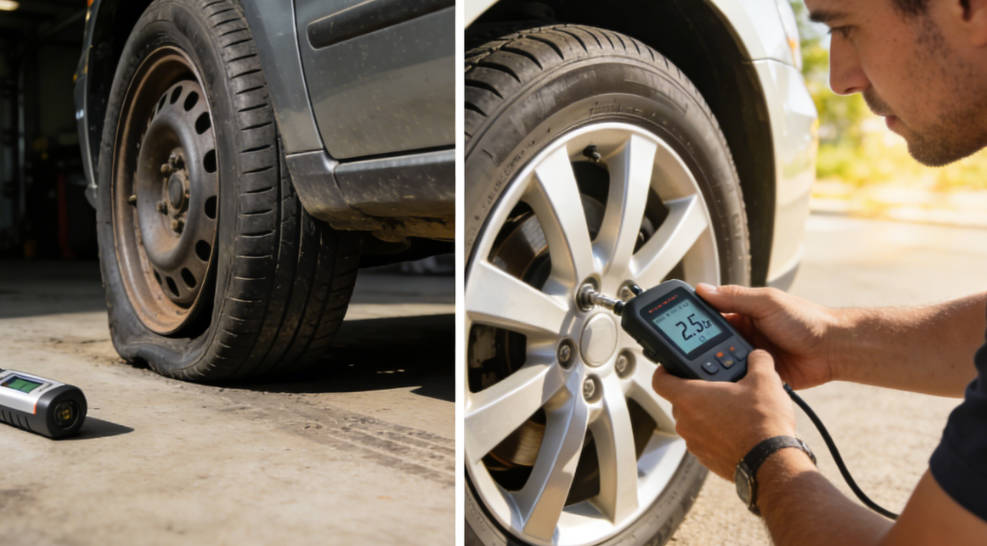
Underinflated tires create more rolling resistance, which means your engine has to work harder to move the car. This can reduce fuel efficiency by 0.2% for every 1 PSI drop in tire pressure. New car owners often forget to check their tire pressure regularly, especially when they're still learning about vehicle maintenance.
3. Carrying Unnecessary Weight
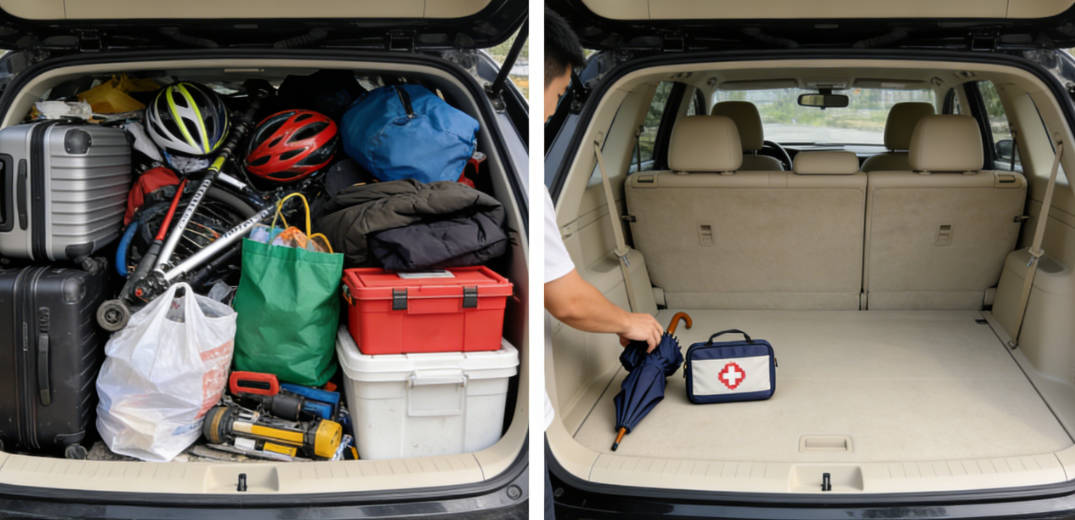
New car owners sometimes treat their vehicle like a storage unit, keeping all sorts of items in the trunk or back seat. Extra weight reduces fuel efficiency—every 100 pounds carried in your car can decrease fuel economy by about 1%. This might not seem like much, but it adds up over time, especially if you're carrying heavy items unnecessarily.
4. Overusing Air Conditioning
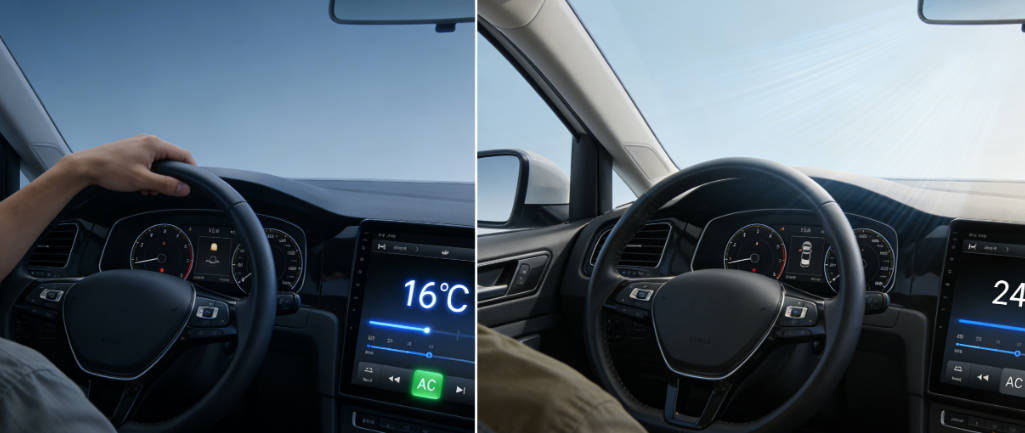
While air conditioning is a comfort feature, running it full blast can increase fuel consumption by 10-20%. Many new drivers rely on AC constantly, even when it's not necessary. This is particularly true during the first summer with a new car, when owners want to enjoy all the features.
5. Idling for Long Periods

New drivers often let their cars idle while waiting for friends, checking their phones, or warming up the engine. However, idling uses fuel unnecessarily—an idling car can consume 0.2-0.5 gallons of fuel per hour. Modern engines don't need to warm up for more than 30 seconds, even in cold weather.
6. Incorrect Fuel Grade
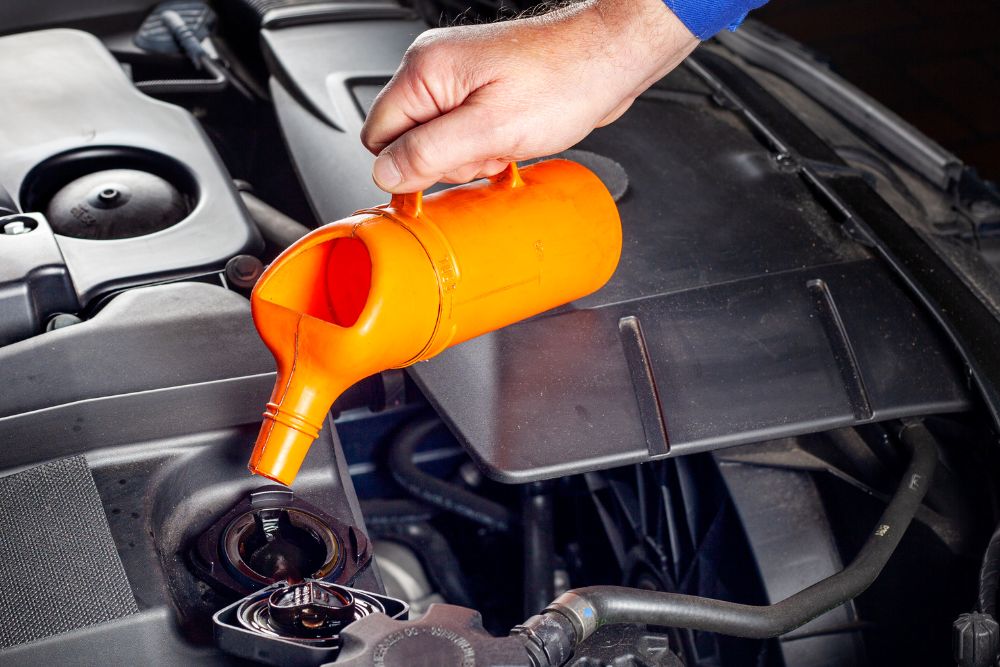
Some new car owners believe that using premium fuel in a regular car will improve performance or fuel efficiency. However, using a higher octane fuel than recommended by the manufacturer provides no benefit and wastes money. Always check your owner's manual to know which fuel grade is right for your car.
7. Skipping Regular Maintenance
New car owners might delay or skip maintenance tasks like oil changes, air filter replacements, and spark plug inspections. However, poor maintenance can reduce fuel efficiency by 4-10%. For example, a dirty air filter can restrict airflow to the engine, causing it to work harder and use more fuel.
Practical Solutions to Reduce Fuel Consumption
1. Adopt Smooth Driving Habits
Practice gradual acceleration and braking. Use cruise control on highways to maintain a consistent speed, which can improve fuel efficiency by 7-14%. Anticipate traffic flow and try to avoid unnecessary stops. Remember, every time you stop and start, you're wasting fuel.
2. Maintain Proper Tire Pressure
Check your tire pressure at least once a month and before long trips. Use a reliable tire pressure gauge to ensure your tires are inflated to the manufacturer's recommended PSI (usually found on a sticker inside the driver's door or in your owner's manual). Properly inflated tires not only save fuel but also last longer and improve handling.
3. Remove Excess Weight
Clean out your trunk and back seat regularly. Only carry items you actually need. If you have roof racks or cargo boxes that you don't use frequently, remove them—they create aerodynamic drag that can reduce fuel efficiency by 2-8% in highway driving.
4. Use AC Efficiently
Use the air conditioning sparingly. When driving at low speeds, consider opening windows instead of using AC. At highway speeds, using AC is more fuel-efficient than having windows open (which creates drag). Set your AC to a comfortable temperature instead of the coldest setting.
5. Avoid Unnecessary Idling
Turn off your engine if you're going to be idling for more than 30 seconds (except in traffic). If you need to wait, consider turning off the engine. Modern cars use less fuel to restart than they do to idle for more than a minute. For cold weather, drive gently for the first few minutes to warm up the engine instead of idling.
6. Use the Correct Fuel Grade
Always follow your manufacturer's recommendations for fuel grade. Using a higher octane fuel than recommended doesn't improve performance or fuel efficiency in most cars. It only adds to your fuel costs unnecessarily.
7. Follow the Maintenance Schedule
Stick to your car's recommended maintenance schedule. Regular oil changes, air filter replacements, spark plug inspections, and other maintenance tasks can significantly improve fuel efficiency. A well-maintained car runs more efficiently and saves you money in the long run.
Bonus Fuel-Saving Tips
- Plan your trips efficiently to avoid unnecessary driving and multiple stops
- Use apps to find the cheapest gas prices in your area
- Drive at the speed limit—fuel efficiency drops significantly at speeds above 50 mph
- Use eco-driving modes if your car has them
- Avoid using accessories like heated seats and window defrosters when not needed
- Check your alignment regularly—misaligned wheels can reduce fuel efficiency by 10%
- Consider carpooling or public transportation for regular commutes
Frequently Asked Questions
By implementing the tips in this guide, you can typically save 15-30% on fuel costs. For the average driver who spends about $1,200 per year on gas, this could mean savings of $180-$360 annually.
Only if your car's manufacturer specifically recommends it. For most cars designed to run on regular fuel, using premium provides no benefit and is a waste of money.
You should check your tire pressure at least once a month and before any long road trips. Tire pressure can fluctuate with temperature changes, so it's important to check regularly.
At low speeds (under 50 mph), opening windows is more fuel-efficient. At higher speeds, the drag from open windows uses more fuel than running the AC. Use AC sparingly and set it to a comfortable temperature.
Drive Smarter, Save More
Reducing your car's fuel consumption doesn't require expensive modifications or advanced driving skills. By avoiding common mistakes and adopting simple habits, you can significantly improve your fuel efficiency and save money at the pump.
Remember, every gallon saved is money in your pocket and a step toward reducing your environmental impact. Start implementing these tips today and enjoy the benefits of more efficient driving.
Safe driving and happy fuel savings!