
Dashboard warning lights are your car's way of communicating important information about its health and performance. Ignoring these warnings can lead to costly repairs and safety hazards. Imagine you're driving on the highway when suddenly a red light flashes on your dashboard. Your heart skips a beat - what does this mean? Is it safe to continue driving? How long can you go before seeking help? In this comprehensive guide, we'll decode the most common dashboard warning lights and provide scenario-based safety assessments to help you make informed decisions when these lights illuminate.
Understanding Warning Light Colors
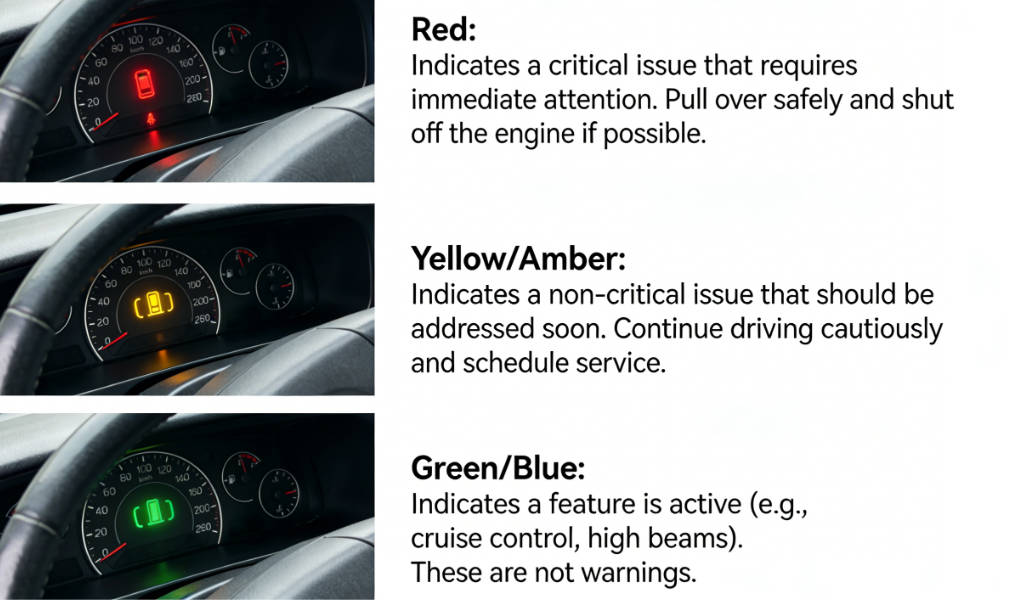
Before diving into specific lights, it's important to understand the color coding system. Warning lights typically come in three colors:
- Red: Indicates a critical issue that requires immediate attention. Pull over safely and shut off the engine if possible.
- Yellow/Amber: Indicates a non-critical issue that should be addressed soon. Continue driving cautiously and schedule service.
- Green/Blue: Indicates a feature is active (e.g., cruise control, high beams). These are not warnings.
Your dashboard lights are like your car's language - learning to understand them can save you time, money, and headaches.
Common Warning Lights and What They Mean
Let's examine the most frequently encountered dashboard warning lights:
Check Engine Light
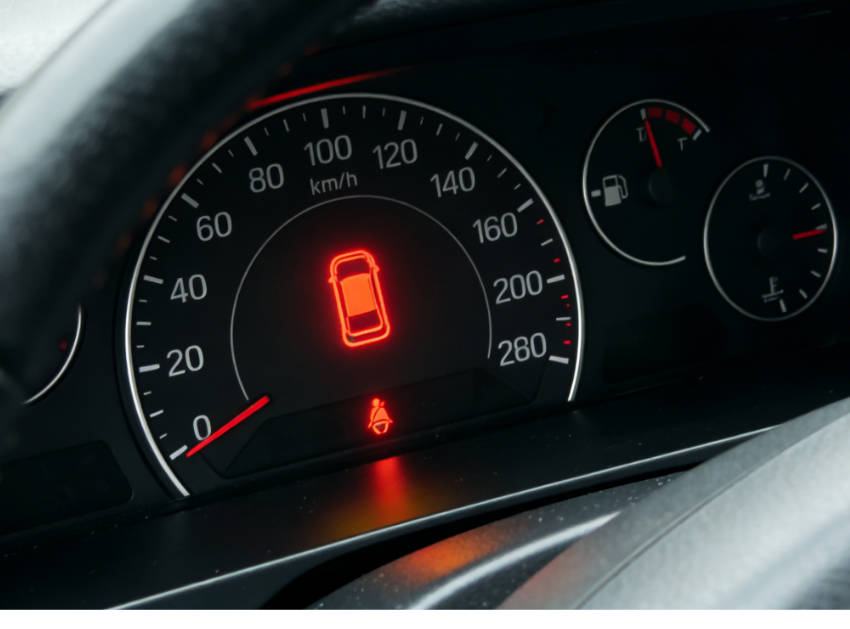
What is it? A yellow or red light shaped like an engine block or with the words "CHECK ENGINE" or "SERVICE ENGINE SOON".
What does it mean? This light indicates a problem with your car's emissions system or engine. It could be anything from a loose gas cap to a serious engine misfire.
Scenario-Based Safety Assessment
Is it safe to continue driving?
- Solid Yellow: Yes, but with caution. The issue is not immediately dangerous but should be addressed soon.
- Flashing Red/Yellow: No! This indicates a critical engine misfire that can damage your catalytic converter and potentially cause engine failure.
How long can you drive?
- Solid Yellow: You can drive for a few days to a week, but schedule service as soon as possible.
- Flashing: Pull over immediately - driving more than a mile or two could cause severe engine damage.
What behaviors to avoid?
- Avoid hard acceleration or high speeds
- Don't tow heavy loads
- Avoid stop-and-go traffic if possible
- For flashing lights: Don't continue driving at all
One of the most misunderstood warning lights, the check engine light can indicate anything from a loose gas cap to a serious engine problem. If it's flashing, pull over immediately as this could indicate a critical engine misfire that can damage your catalytic converter. If it's solid, continue driving but schedule service soon.
Oil Pressure Warning Light
What is it? A red light shaped like an oil can with a drop of oil.
What does it mean? This light indicates dangerously low oil pressure, which can cause catastrophic engine damage if not addressed immediately.
Scenario-Based Safety Assessment
Is it safe to continue driving? No! Low oil pressure means your engine is not being properly lubricated, which can lead to complete engine failure within minutes.
How long can you drive? Only as far as necessary to pull over safely - ideally less than a quarter mile. Continuing to drive can destroy your engine.
What behaviors to avoid?
- Don't continue driving at all
- Avoid accelerating or revving the engine
- Don't attempt to drive to a service station - call for roadside assistance
This red light resembles an oil can and indicates low oil pressure. Pull over immediately and shut off the engine - driving with low oil pressure can cause catastrophic engine damage.
Battery Warning Light
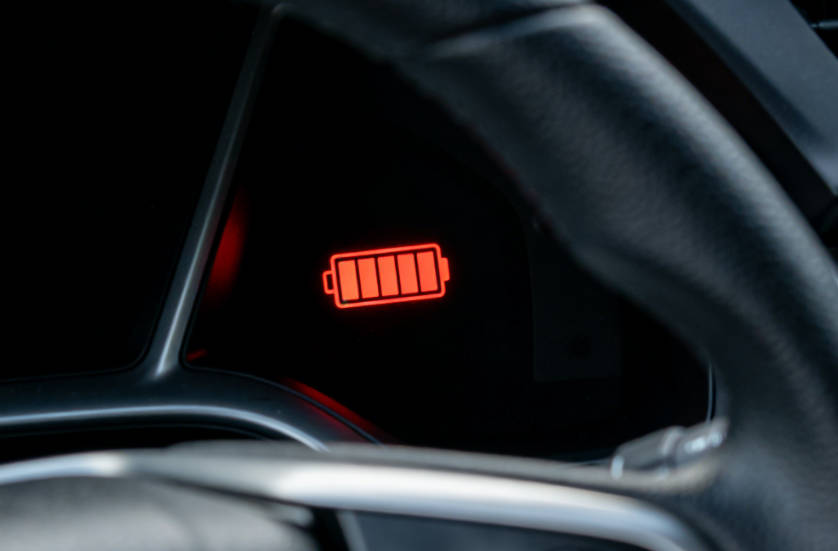
What is it? A red or yellow light shaped like a battery or with the word "BATT".
What does it mean? This light indicates a problem with your car's charging system - either the alternator isn't working properly, the battery is failing, or there's a loose connection.
Scenario-Based Safety Assessment
Is it safe to continue driving? Temporarily, but with caution. Your car is running on battery power, which will eventually drain.
How long can you drive? Typically 15-30 minutes, depending on battery health and electrical load. Turn off all non-essential electrical accessories (AC, radio, lights) to extend this time.
What behaviors to avoid?
- Don't use unnecessary electrical accessories
- Avoid short trips - drive directly to a service station if possible
- Don't turn off the engine once you reach your destination until you can get it serviced
Resembling a battery, this light indicates charging system issues. It could be a faulty alternator, bad battery, or loose connection. Continue driving to your destination but avoid using electrical accessories like air conditioning.
Brake System Warning Light
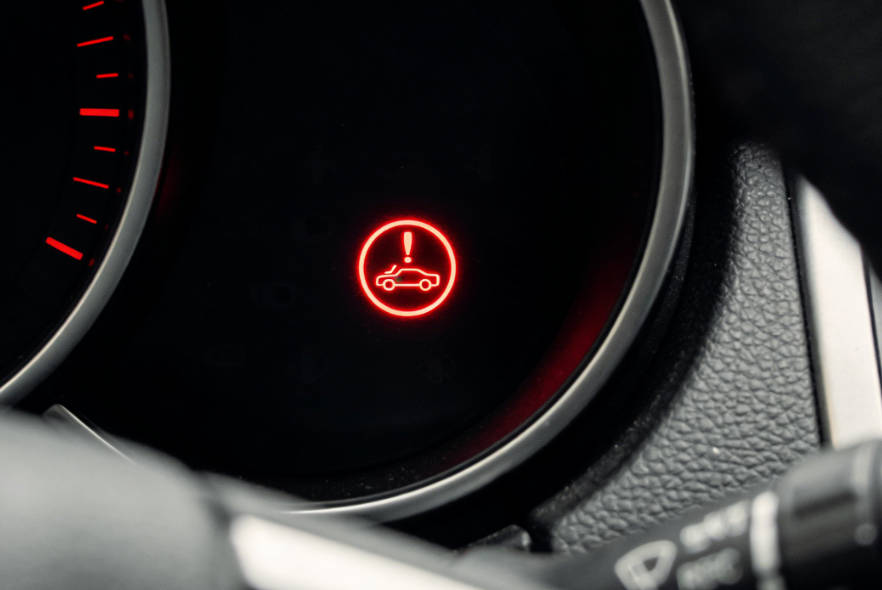
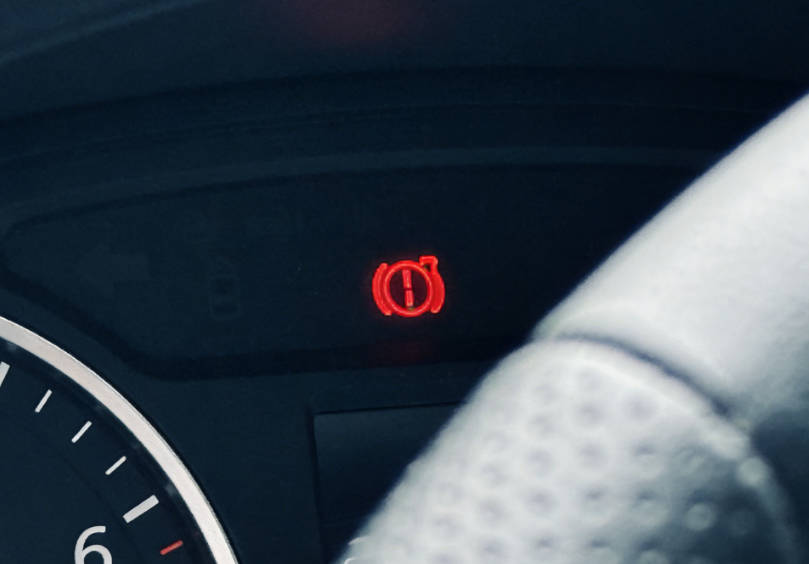
What is it? A red light shaped like an exclamation mark inside a circle or the word "BRAKE".
What does it mean? This light indicates a problem with your brake system, which could be low brake fluid, worn brake pads, or a malfunction in the anti-lock braking system (ABS).
Scenario-Based Safety Assessment
Is it safe to continue driving? Depends on the situation:
- Light comes on suddenly while driving: Test your brakes gently. If they feel spongy or unresponsive, pull over immediately - this is very dangerous.
- Light comes on when you start the car: You may have low brake fluid. Check the brake fluid level and proceed with caution if it's above the minimum mark.
How long can you drive?
- With normal brake feel: You can drive to a service station, but schedule service immediately.
- With abnormal brake feel: Pull over immediately - do not continue driving.
What behaviors to avoid?
- Avoid high speeds
- Don't drive in heavy traffic
- Avoid sudden or hard braking
- Don't tow anything
This red light may indicate low brake fluid or a problem with the anti-lock braking system (ABS). If it comes on while driving, test your brakes gently and pull over if they feel spongy or unresponsive.
What to Do When a Warning Light Comes On
- Stay calm: Don't panic - most warning lights don't mean immediate disaster, but they do require your attention.
- Assess the situation:
- Check the color of the light (red = critical, yellow = cautionary)
- Test your car's performance (brakes, acceleration, steering)
- Listen for unusual sounds or smells
- Refer to the scenario-based guidelines above for your specific warning light
- Take appropriate action:
- Pull over immediately for red lights indicating critical issues (oil pressure, brake failure)
- Continue cautiously for yellow lights, avoiding stressful driving conditions
- Call for roadside assistance if you're unsure or if the issue seems severe
- Check your owner's manual: It has the most accurate information for your specific vehicle.
- Schedule service: Even if the light goes off, have your car inspected to prevent future issues.
Remember, dashboard warning lights are designed to keep you and your vehicle safe. By understanding what each light means and following the scenario-based safety assessments provided in this guide, you can make informed decisions that protect both your safety and your vehicle's longevity. The next time a warning light illuminates while you're driving, you'll know exactly what to do - stay calm, assess the situation, and take appropriate action based on the specific warning and driving conditions.
Comments [4]
Rosalina Pong
This article provides excellent insights into the luxury automotive market. I particularly appreciated the detailed analysis of performance metrics versus comfort features in the top models.
Brian Wright
As someone considering upgrading to a luxury vehicle next year, this review was extremely helpful. The comparison of safety features across different models was especially valuable for my decision-making process.
Sarah Wright
I'd agree with most of your assessments, particularly regarding the handling dynamics. Have you had a chance to test the latest adaptive suspension systems on these models? I'd love to hear your thoughts.