Rearview mirrors and car windows foggy after rain? Try these effective cleaning tips to restore clear visibility
Understanding Foggy Windows and Mirrors
One of the most frustrating experiences for drivers after rain is dealing with foggy rearview mirrors and car windows. This common issue not only reduces visibility but also poses significant safety risks on the road.
Fog forms when warm, moist air comes into contact with a cooler surface. After rain, the humidity inside your car increases, and when this moist air touches the cooler glass surfaces, condensation forms, creating that familiar foggy appearance.
In this comprehensive guide, we'll explore effective cleaning tips to restore clear visibility, DIY solutions, commercial products, and long-term prevention strategies to keep your windows and mirrors fog-free.
Safety First
Never attempt to clean foggy windows while driving. Pull over to a safe location before addressing visibility issues to avoid accidents.
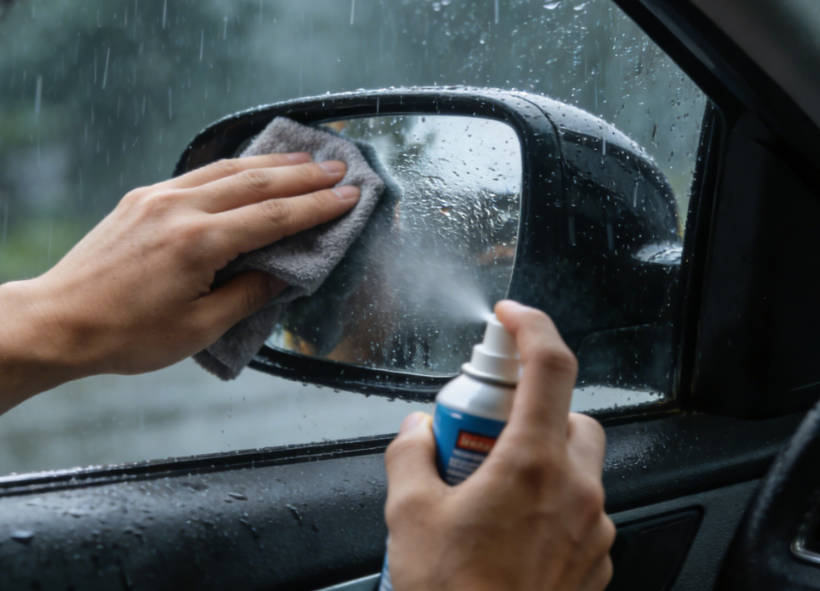
Quick Fixes for Immediate Visibility
When you're in a hurry and need to clear foggy windows fast, these quick fixes can restore visibility in seconds:
Use Your Car's Defroster
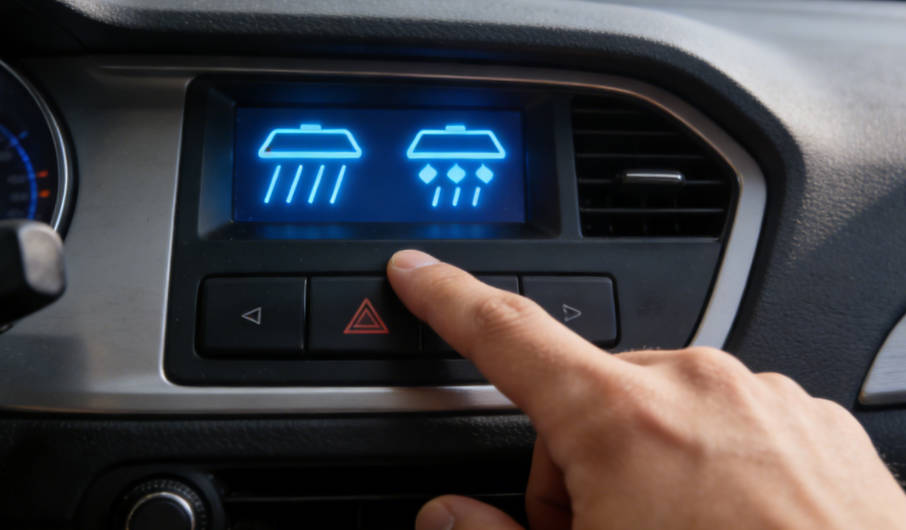
Turn on your car's defroster setting (front and rear if available). Use the air conditioning with defrost to dry the air inside the car. This combination works faster than heat alone.
Crack the Windows
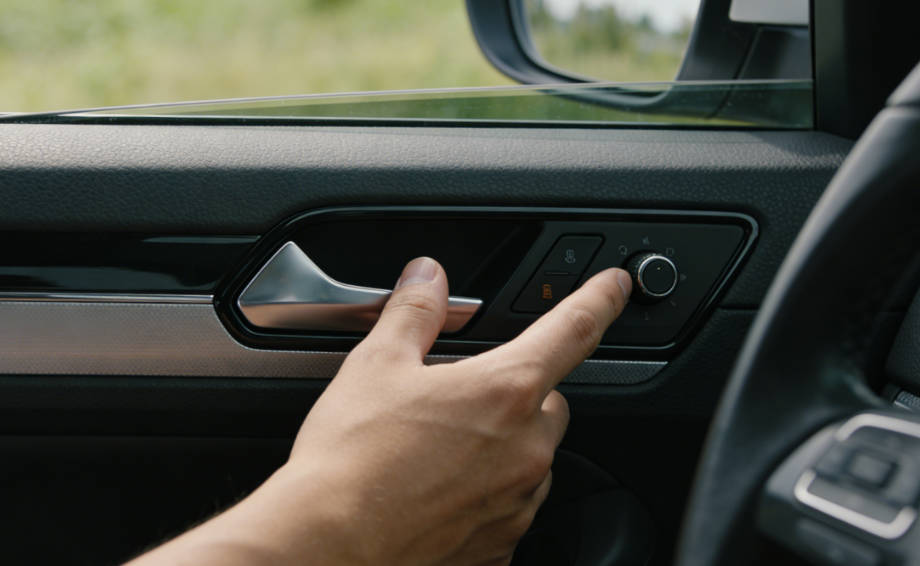
Roll down your windows slightly to allow air circulation. This helps equalize the temperature and humidity between the inside and outside of your car.
Microfiber Towel
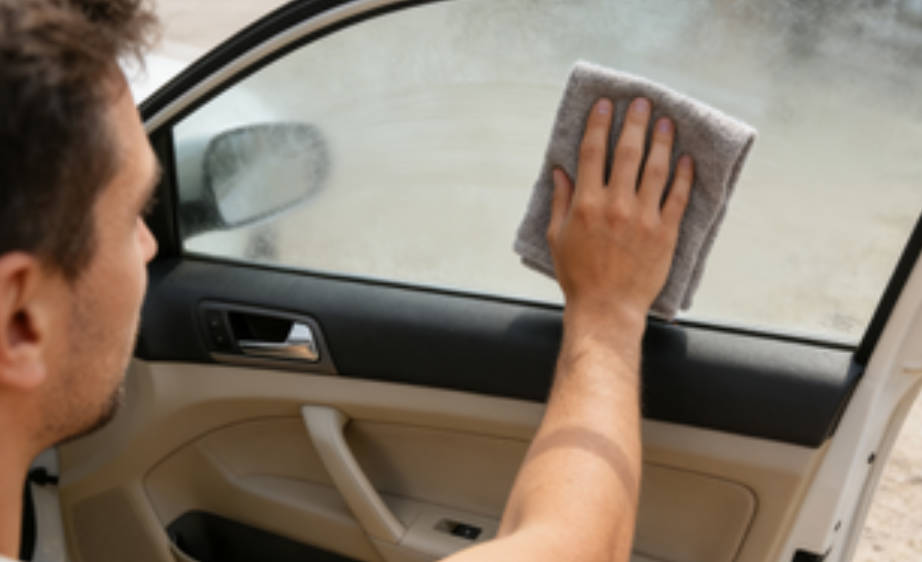
Keep a clean microfiber towel in your car specifically for clearing fog. These towels are lint-free and won't scratch your glass surfaces.
What NOT to Do
Avoid using regular paper towels or tissues to clean foggy windows, as they can leave scratches and lint behind. Never use your sleeve or gloves, as they can transfer oils to the glass.
Effective DIY Cleaning Solutions
These homemade solutions are affordable, easy to make, and highly effective at removing fog and preventing it from returning:
Vinegar and Water
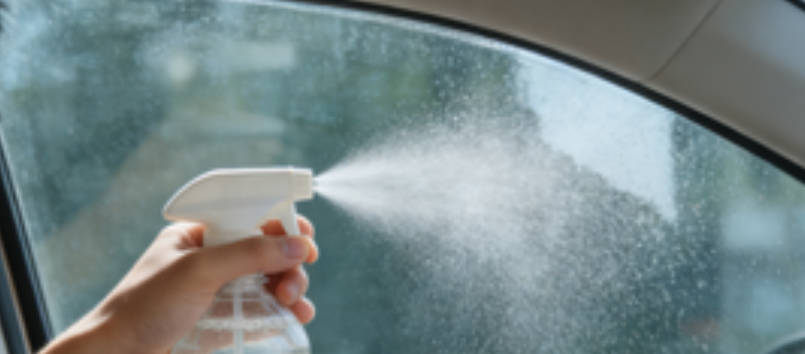
- Mix equal parts white vinegar and water
- Apply to glass with a clean cloth
- Wipe dry with a microfiber towel
- Leaves an invisible barrier that prevents fog
Shaving Cream
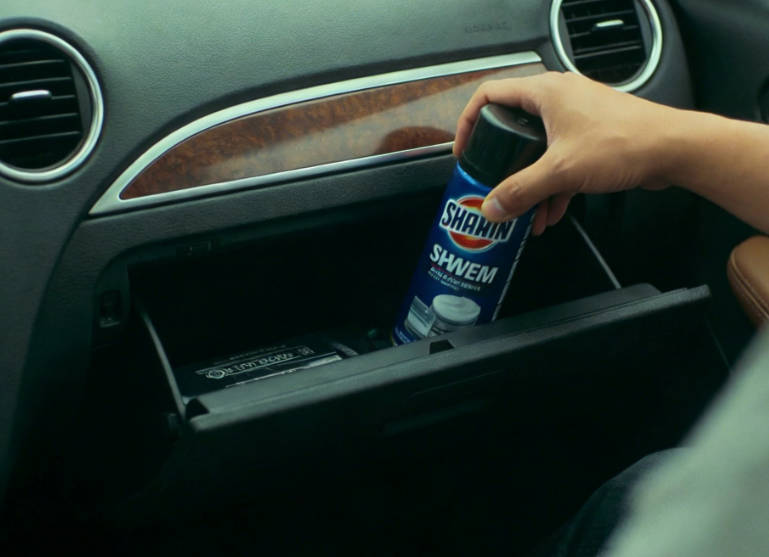
- Apply a small amount of shaving cream to glass
- Spread evenly and let dry for 5 minutes
- Buff off with a clean microfiber towel
- Creates a protective film that resists fog
Dish Soap Solution
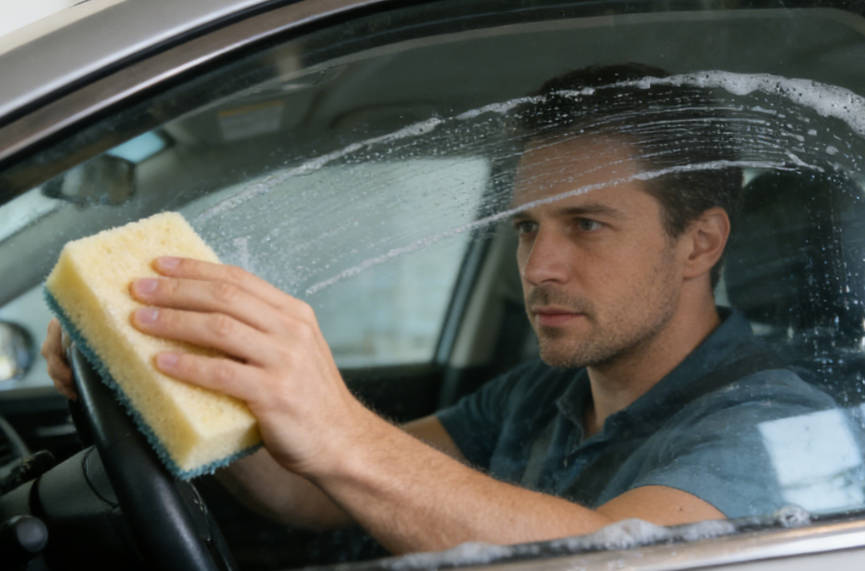
- Mix a drop of dish soap with water
- Apply thin layer to glass
- Wipe until clear (no streaks)
- Long-lasting anti-fog protection
Application Tips for DIY Solutions
- Always clean glass thoroughly before applying anti-fog solutions
- Use a lint-free cloth for application
- Apply in a well-ventilated area
- Buff until the glass is completely clear and streak-free
- Reapply every 1-2 weeks for best results
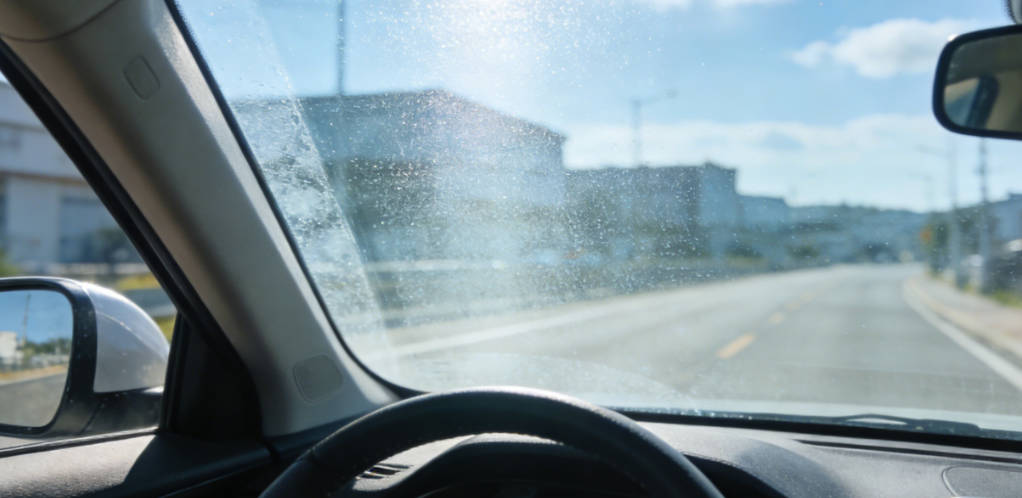
Commercial Anti-Fog Products
If you prefer ready-to-use solutions, there are many commercial products designed specifically for preventing fog on car windows and mirrors:
Anti-Fog Sprays
Easy-to-apply sprays that create a long-lasting barrier against fog. Look for products that are ammonia-free and safe for tinted windows.
Anti-Fog Wipes
Convenient pre-moistened wipes that are perfect for on-the-go use. Great for quick touch-ups and easy to store in your glove compartment.
Anti-Fog Films
Adhesive films that provide permanent anti-fog protection. Professional installation recommended for best results.
Product Selection Tips
When choosing commercial anti-fog products, look for those specifically designed for automotive use, as they're formulated to withstand temperature extremes and won't damage tinted windows.
Special Care for Rearview Mirrors
Rearview mirrors (both interior and exterior) require special attention to keep them fog-free:
Interior Rearview Mirror
Clean with a microfiber cloth and your preferred anti-fog solution. Avoid harsh chemicals that could damage the auto-dimming or compass features if your mirror has them.
Exterior Rearview Mirrors
These are more exposed to the elements. Use a water-repellent product after cleaning to prevent rain from sticking to the surface and causing fog.
Heated Mirrors
If your car has heated mirrors, use them regularly to prevent fog and ice buildup. Combine with anti-fog products for maximum effectiveness.
Long-term Prevention Strategies
To keep your windows and mirrors fog-free for the long term, incorporate these habits into your car maintenance routine:
- Keep interior dry: Remove wet items like umbrellas, wet clothes, and car mats
- Use silica gel packs: Place moisture-absorbing packets in your car to reduce humidity
- Regular cleaning: Clean windows and mirrors weekly to remove oils and residue
- Check cabin air filter: Replace regularly to ensure proper air circulation
- Use sunshade: Park in shade or use a sunshade to keep interior cooler
Weekly Maintenance
Spend 5 minutes each week cleaning your windows and applying anti-fog solution. This small investment of time will save you frustration later.
Garage Parking
Whenever possible, park your car in a garage or covered area. This helps regulate the temperature of your car's interior, reducing condensation.
Post-Rain Care
After driving in rain, leave your windows cracked slightly in a safe location to allow moisture to escape from the interior.
Frequently Asked Questions
Why do my windows fog up more after rain?
After rain, the humidity level outside is high, and if your car's interior is cooler, the moist air will condense on the glass surfaces. The combination of wet conditions outside and temperature differences inside creates the perfect environment for fog.
Will anti-fog products damage my tinted windows?
Most automotive anti-fog products are safe for tinted windows, but always check the product label first. Avoid ammonia-based products, as they can damage tint over time.
How often should I apply anti-fog solution?
For DIY solutions, reapply every 1-2 weeks. Commercial products typically last 2-4 weeks. High humidity and frequent rain may require more frequent application.
Can I use the same anti-fog solution for both windows and mirrors?
Yes, most anti-fog solutions work equally well on both windows and mirrors. Just be cautious with interior mirrors that have special features like auto-dimming.
Why does my defroster take so long to work?
If your defroster is slow, check your cabin air filter – a dirty filter can reduce airflow. Also, make sure your air conditioning is working properly, as it helps dry the air more quickly than heat alone.
Conclusion
Foggy windows and mirrors after rain don't have to be a persistent problem. With the right cleaning tips and prevention strategies, you can maintain clear visibility in all weather conditions.
Remember these key takeaways:
- Use your car's defroster with AC for quick fixes
- Try DIY solutions like vinegar/water or shaving cream for cost-effective protection
- Consider commercial products for long-lasting results
- Implement long-term prevention strategies to reduce fog buildup
By incorporating these tips into your routine, you'll enjoy safer driving with clear visibility, no matter the weather conditions. Always prioritize safety and never compromise visibility while driving.
Final Tip
Keep a microfiber towel and travel-sized anti-fog spray in your glove compartment at all times. This emergency kit will ensure you're prepared for unexpected foggy conditions.