Summer heat doesn't just make you uncomfortable—it's a silent killer of car batteries. As a certified technician, I see more dead batteries in July and August than any other time of year.
Here's the problem: when temperatures climb above 90°F (32°C), your battery's chemical reactions speed up, causing fluid evaporation and internal damage. This reduces battery life by up to 40% compared to moderate climates.
But don't worry—with a few simple checks and precautions, you can keep your battery running strong all summer long. In this guide, I'll share my professional tips for preventing summer battery failure.
Key Summer Battery Insights
120°F
Engine Bay Temperature
40%
Life Reduction in Heat
Why Summer Heat Damages Batteries
The Science Behind Heat Damage
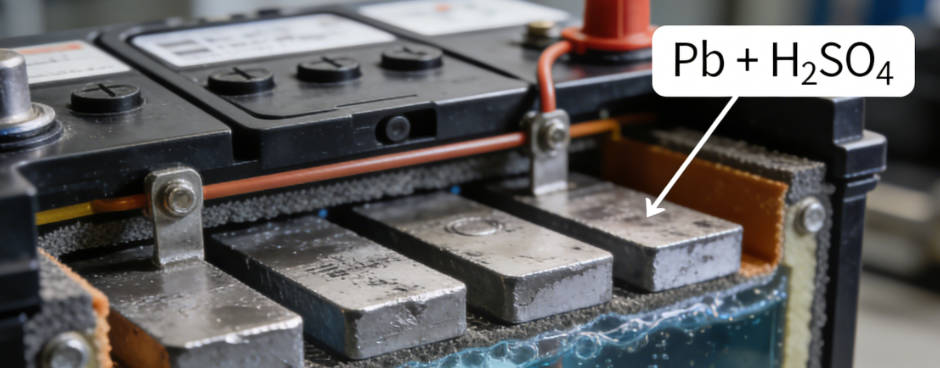
Car batteries use a chemical reaction between lead plates and sulfuric acid to produce electricity. Heat accelerates this reaction, causing two main problems:
-
Fluid evaporation: The electrolyte solution (water + sulfuric acid) evaporates faster in heat, exposing the lead plates and causing corrosion.
-
Internal degradation: High temperatures speed up the breakdown of the battery's internal components, reducing its overall capacity.
Common Misconceptions
Myth: Cold weather is worse for batteries than hot weather.
Fact: While cold weather reduces a battery's ability to deliver power, heat causes permanent damage that shortens its lifespan.
Myth: A fully charged battery won't be affected by heat.
Fact: Even fully charged batteries degrade faster in high temperatures.
Practical Tips for Summer Battery Care
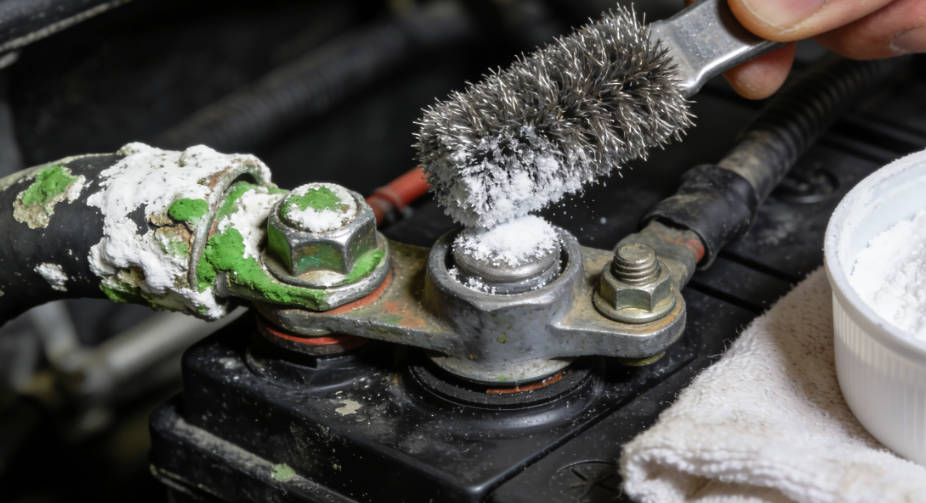
Clean Battery Terminals
Corrosion on terminals acts like an insulator, preventing proper electrical flow. Clean them with a wire brush and baking soda solution.
Pro tip: Apply petroleum jelly after cleaning to prevent future corrosion.
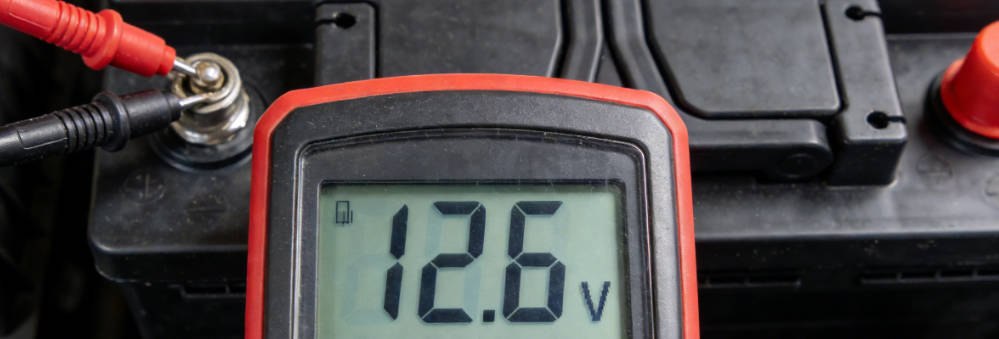
Test Battery Voltage
A healthy battery should read 12.6V or higher when the engine is off, and 13.7-14.7V when running.
Pro tip: Most auto parts stores test batteries for free.
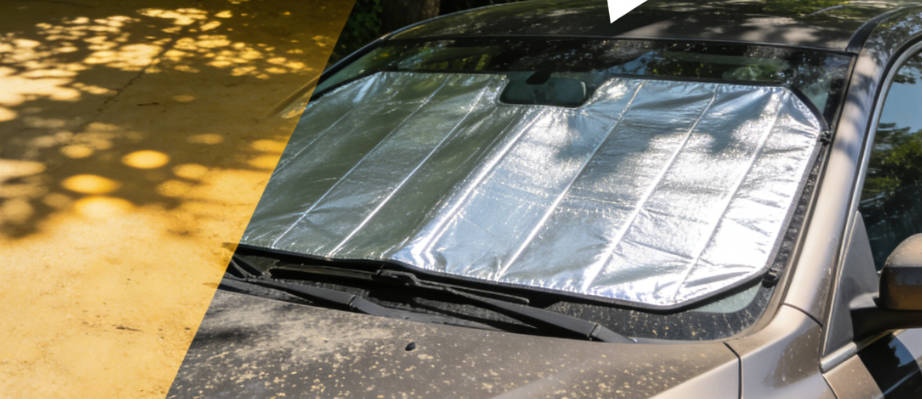
Park in Shade
Whenever possible, park in shaded areas or use a windshield sunshade to reduce interior and engine bay temperatures.
Pro tip: Parking in shade can reduce battery temperature by 20-30°F.
Check Battery Age
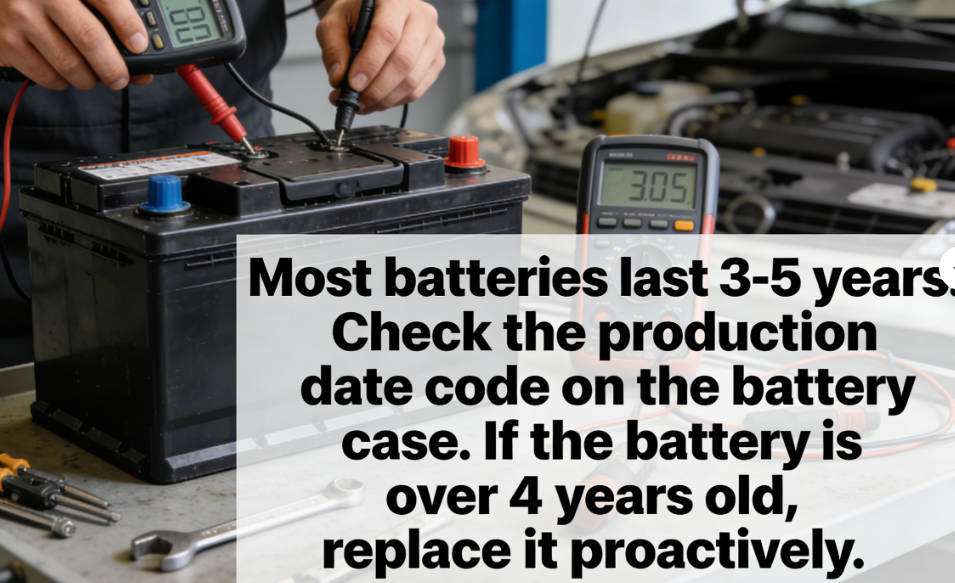
Most batteries last 3-5 years. Look for the manufacturing date code on the battery case.
Pro tip: Replace batteries proactively if they're over 4 years old.
Why This Matters
These simple maintenance tasks can extend your battery's life by up to 50% in hot climates. This not only saves you money on replacements but also prevents the frustration of being stranded.
Warning Signs of Battery Failure
Slow Cranking
Engine takes longer to start than usual
Dashboard Lights
Battery warning light or dim headlights
Electrical Issues
Problems with power windows, radio, or locks
No Start
Complete silence or clicking sound when turning key
When to Act
Immediate Action
- No start condition
- Battery warning light on
- Visible damage or leaks
Within 2 Weeks
- Slow cranking
- Low voltage reading
- Corroded terminals
Monitor Regularly
- Battery under 3 years old
- Normal voltage readings
- Clean terminals
Expert Answers to Common Questions
How often should I have my battery tested in summer?
As a technician, I recommend testing your battery every 3 months during summer months. This is especially important if your battery is over 3 years old or if you frequently drive in extreme heat.
Is it safe to jump-start a car in extreme heat?
Yes, jump-starting is safe in heat, but you need to be extra careful. Make sure both vehicles are turned off, the cables are connected correctly, and you follow the manufacturer's instructions. Avoid smoking or open flames near the battery.
Should I disconnect my battery if I won't be driving for a while?
If you're going on vacation for more than a week during summer, it's a good idea to disconnect the negative battery terminal or use a battery maintainer. This prevents parasitic drain and reduces the strain from high temperatures.
What should I look for when buying a new battery?
Look for a battery with a high cold cranking amp (CCA) rating and reserve capacity (RC). For hot climates, consider batteries designed specifically for high temperatures (often labeled "tropical" or "summer" batteries). Also, check the warranty period.
Final Thoughts
As an automotive technician with 15 years of experience, I've seen countless drivers stranded by dead batteries in summer. The good news is that most of these breakdowns are preventable with simple maintenance.
Remember: heat damage happens slowly, so don't wait for warning signs to appear. Take proactive steps now to protect your battery and enjoy a worry-free summer on the road.