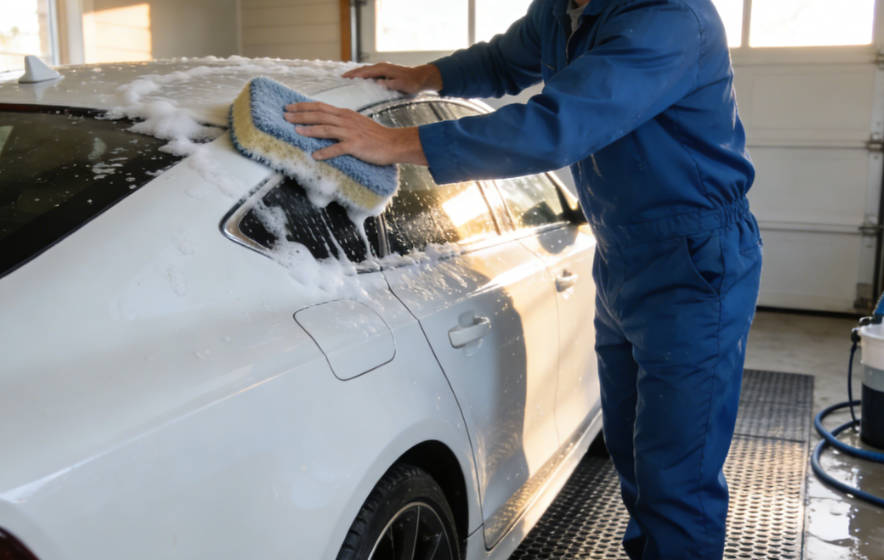
Your new car's paint is its first line of defense against the elements - and it's more fragile than you think. A single wrong washing technique can create scratches and swirl marks that permanently damage the finish.
In this guide, I'll share professional car washing techniques that protect your paint while leaving it sparkling clean. These methods are used by detailers and car enthusiasts to preserve that new-car shine for years.
Why Safe Washing Matters
Paint damage from improper washing can:
Step-by-Step Safe Washing Guide
Pre-Rinse Thoroughly
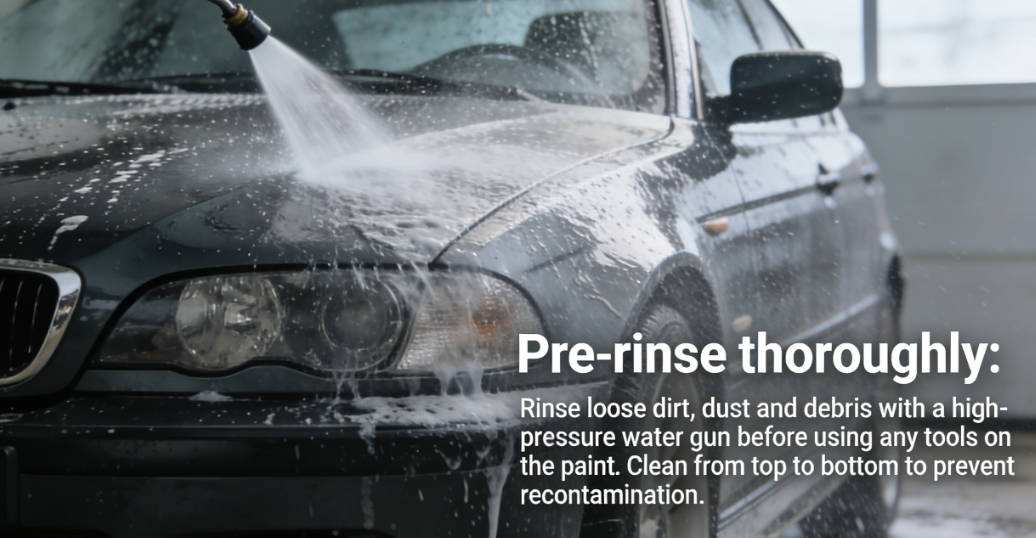
Before touching the paint with any tools, use a high-pressure water hose to remove loose dirt, dust, and debris. This prevents particles from being dragged across the paint surface during washing.
Tip: Start from the top and work your way down to prevent recontaminating clean areas.
Use the Two-Bucket Method
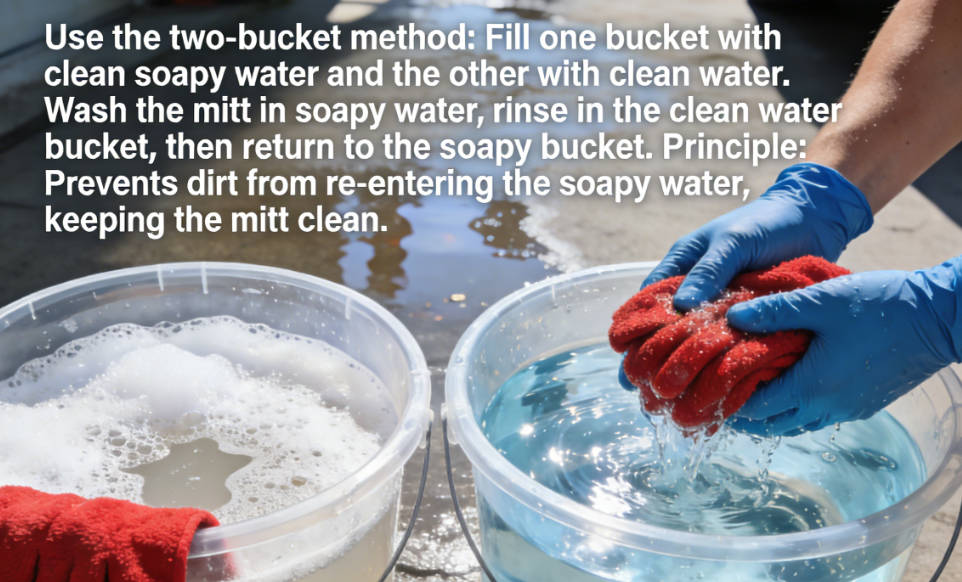
Fill one bucket with clean, soapy water and the other with plain water. Use the soapy water to clean with your wash mitt, then rinse the mitt in the plain water bucket before returning to the soapy bucket.
Why it works: This prevents dirt from being reintroduced to your soapy water, keeping your wash mitt cleaner.
Wash with PH-Neutral Soap
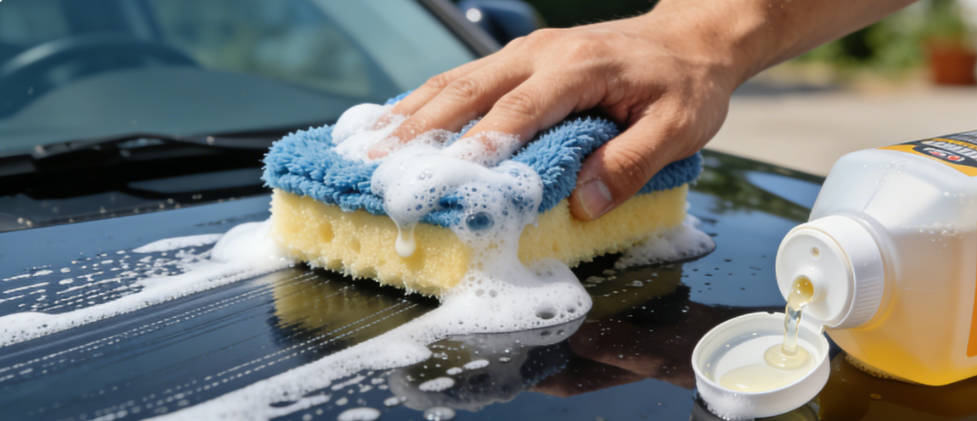
Use only car-specific wash soap that's PH-neutral. Household detergents like dish soap can strip wax and damage paint protective coatings.
Tip: Use a soft, microfiber wash mitt and wash in straight lines, not circles, to avoid swirl marks.
Clean Wheels and Tires Last
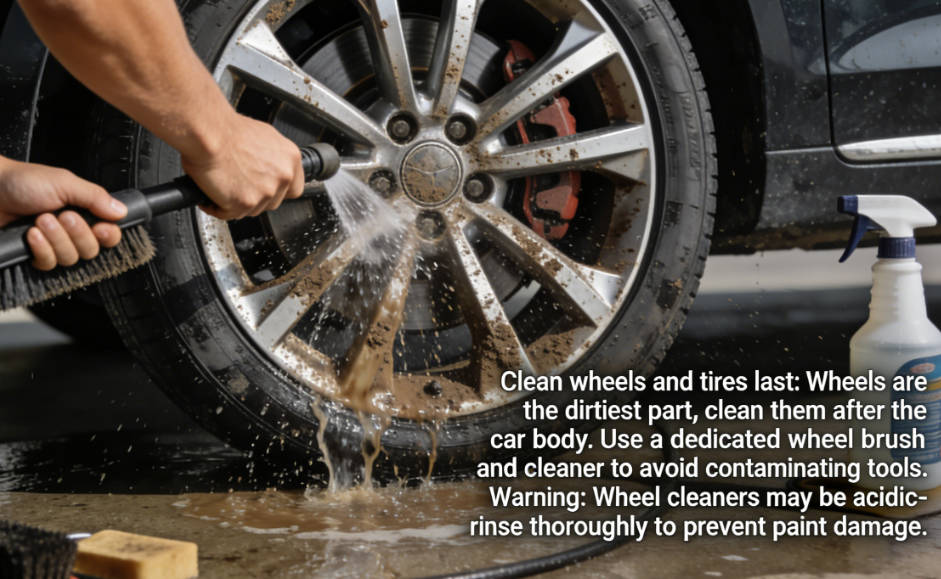
Wheels are the dirtiest part of your car, so clean them after washing the body. Use a dedicated wheel brush and wheel cleaner to avoid contaminating your wash tools.
Warning: Wheel cleaners can be acidic - rinse thoroughly to prevent paint damage.
Rinse and Dry Immediately
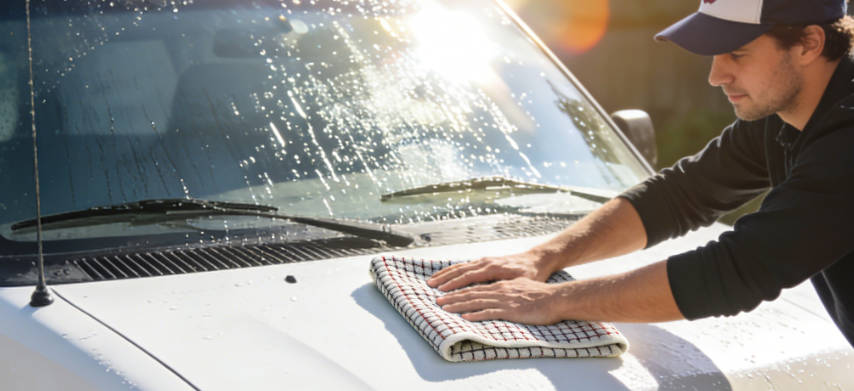
After washing, use a clean microfiber drying towel to dry the car completely. This prevents water spots, which can etch into the paint if left in the sun.
Tip: Use a waffle-weave microfiber towel for best results - they absorb more water.
Apply Paint Protection
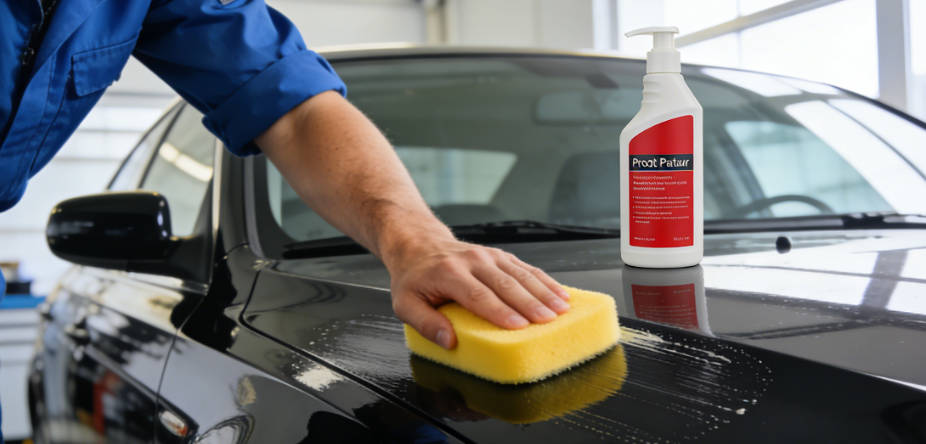
For long-term protection, apply a coat of wax or sealant. This creates a barrier against dirt, UV rays, and other contaminants.
Tip: Synthetic sealants last 6-12 months, while carnauba wax lasts 2-3 months.
Decision Guidance
When to Wash Your Car
- When it looks dirty (obvious!)
- After driving on gravel or dirt roads
- After exposure to bird droppings or tree sap (act quickly!)
- At least every 2 weeks for optimal protection
When to Seek Professional Help
- Deep scratches that reach the primer
- Swirl marks that don't buff out
- Oxidized paint (faded, chalky appearance)
- Clear coat damage
Frequently Asked Questions
Can I use a pressure washer on my new car?
Yes, as long as you use it properly. Keep the nozzle at least 12 inches away from the paint and use a wide-angle spray pattern. Avoid high-pressure sprays directly on sensitive areas like door seals and trim.
How often should I wax my new car?
For new cars with factory paint protection, wait 3-6 months before applying your first coat of wax. After that, wax every 2-3 months for carnauba wax or every 6-12 months for synthetic sealants.
What's the difference between a wash mitt and sponge?
Microfiber wash mitts are superior because they trap dirt and debris in the fibers, preventing them from scratching the paint. Sponges tend to push dirt across the surface, causing swirl marks.
Is it better to wash my car in the sun or shade?
Always wash in the shade or when the paint is cool. Washing in direct sunlight causes soap to dry quickly, leaving water spots and soap residue that are hard to remove.
Final Thoughts
Washing your new car the right way isn't just about keeping it clean - it's about preserving your investment. A little extra care and attention during washing can save you from expensive paint repairs later.
Remember, the key to safe washing is: pre-rinse thoroughly, use the two-bucket method, avoid abrasive tools, and dry immediately. Follow these steps, and your car will maintain its showroom shine for years to come.