How to Prevent Overheating and Battery Failures in Hot Weather

Summer Guide Maintenance Safety

Summer heat causes 30% more roadside breakdowns - don't get stranded!

Summer Car Maintenance
30%
More Breakdowns in Summer

Imagine this: You're stuck in bumper-to-bumper traffic on a sweltering 95°F day. Suddenly, your temperature gauge spikes into the red zone, and steam starts pouring from under the hood. Or worse, you try to start your car after work, but all you hear is a clicking sound - your battery has died from the heat.

These summer nightmares are preventable with a little preparation. This guide will show you how to protect your vehicle from two of the most common summer breakdown causes: overheating and battery failure.

Preventing Engine Overheating

Preventing Engine Overheating

Your engine generates tremendous heat even in normal conditions, and summer temperatures can push it to the breaking point. When your cooling system fails, the results can be catastrophic - from a blown head gasket to a seized engine.

Why it matters: Overheating is the #1 cause of summer roadside breakdowns, and engine repairs can cost thousands of dollars.

Check Coolant Levels

Preventing Engine Overheating

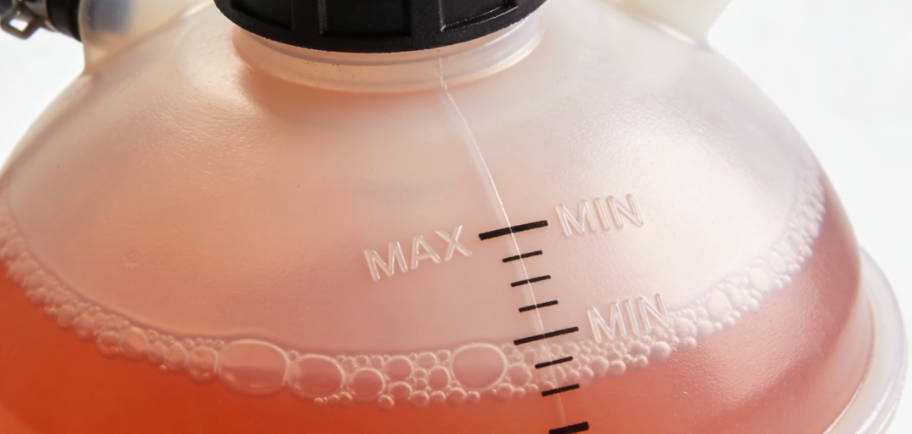
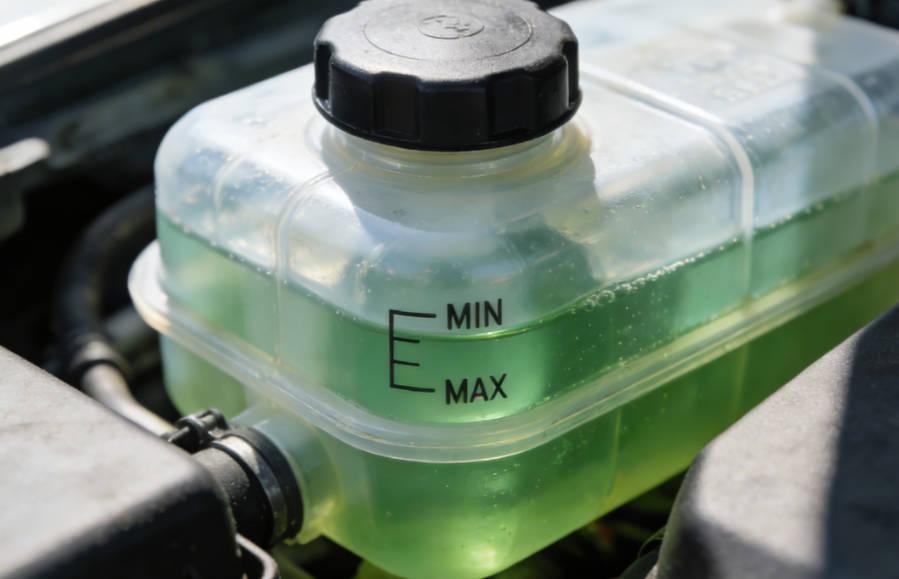
Inspect the coolant reservoir when the engine is cold. The level should be between the "min" and "max" marks.

Pro tip: Use the manufacturer-recommended coolant mixture (usually 50/50 with water)

Clean Radiator and Condenser

Clean Radiator and Condenser

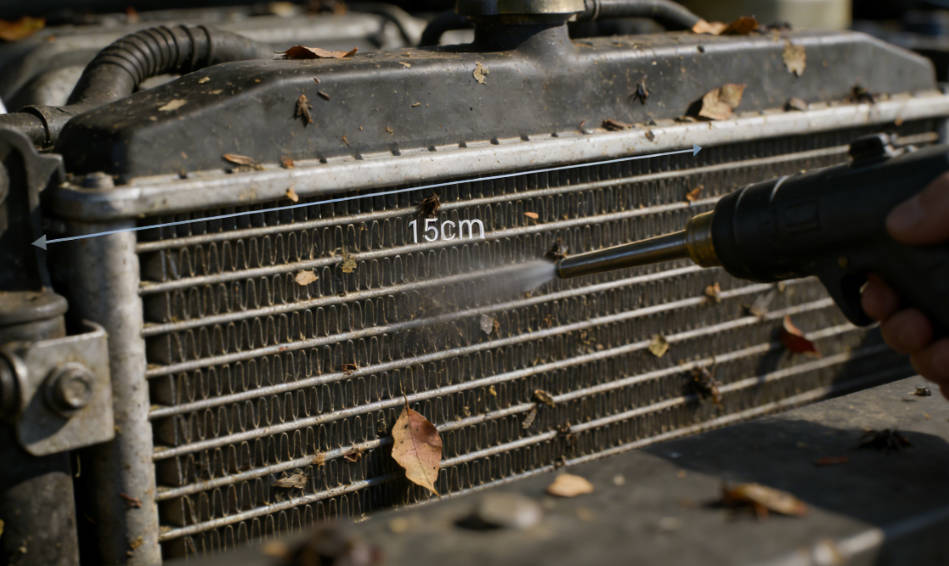
Remove debris, bugs, and dirt from the front of your radiator and A/C condenser to ensure proper airflow.

Pro tip: Use a garden hose on low pressure to avoid damaging fins

Test Cooling Fans

Test Cooling Fans

With the engine running and A/C on, check that both the primary and auxiliary fans activate when the engine gets warm.

Pro tip: Fans should run continuously at idle on hot days

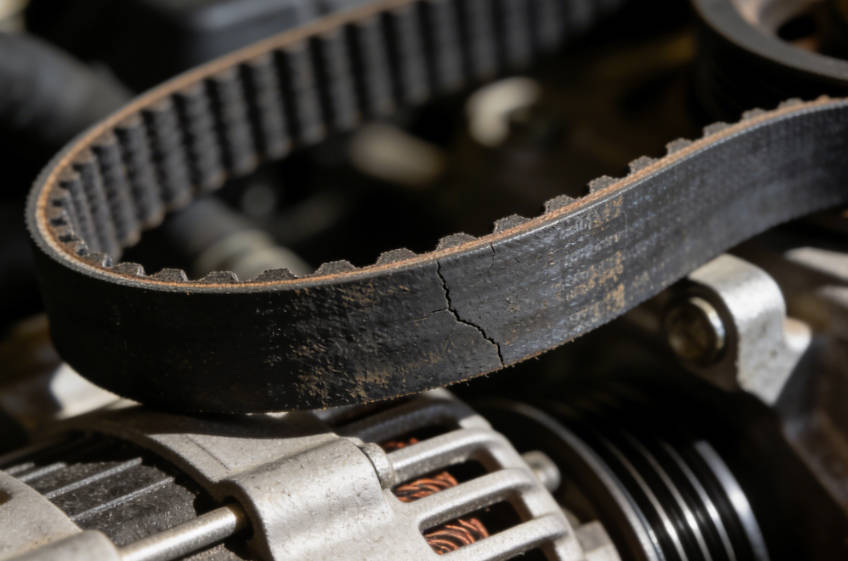
Inspect Belts and Hoses

Inspect Belts and Hoses

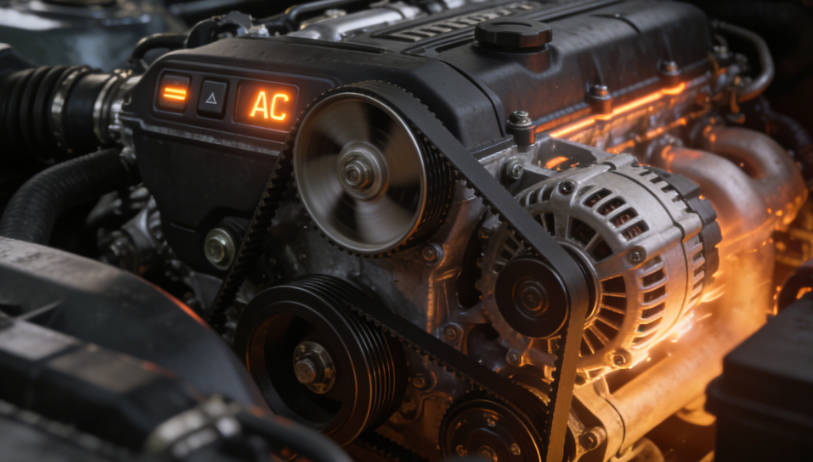
Check for cracks, fraying, or excessive wear on the serpentine belt and cooling system hoses.

Pro tip: Hoses should feel firm, not soft or spongy

Decision Guidance

  • Immediate action needed: Coolant level below "min" mark or temperature gauge in red
  • Fix soon (within 48hrs): Low coolant, dirty radiator, or belt/hose wear
  • Monitor regularly: Cooling fans operating normally, no visible leaks

Preventing Battery Failures

Extreme heat is more damaging to batteries than cold weather. High temperatures accelerate chemical reactions inside the battery, causing fluid evaporation and internal degradation.

Why it matters: 60% of battery failures occur between June and September, often leaving drivers stranded without warning.

Clean Battery Terminals

Remove corrosion from battery terminals using a wire brush and baking soda solution (1 tbsp baking soda in 1 cup water).

Pro tip: Apply petroleum jelly after cleaning to prevent future corrosion

Test Battery Voltage

Use a multimeter to check voltage - it should read 12.6V or higher when the engine is off, and 13.7-14.7V when running.

Pro tip: Most auto parts stores test batteries for free

Protect from Heat

Park in shade whenever possible and consider a reflective windshield sunshade to reduce interior heat.

Pro tip: Extreme heat can reduce battery life by 40%

Check Age and Condition

Most batteries last 3-5 years. Look for the manufacturing date code on the battery case.

Pro tip: Replace batteries proactively if they're over 4 years old

Decision Guidance

  • Immediate action needed: Battery won't start the car, voltage below 12V
  • Fix soon (within 2 weeks): Voltage below 12.4V, severe corrosion, over 4 years old
  • Monitor regularly: Voltage 12.6V+, minor corrosion, less than 3 years old

Warning Signs

Temperature Gauge in Red

Pull over immediately and turn off the engine to prevent damage

Slow Cranking

If your engine takes longer to start, your battery is weakening

Steam from Hood

This means coolant is boiling - severe overheating condition

Dashboard Warning Lights

Battery or temperature warning lights indicate immediate attention needed

Emergency Breakdown Tips

If Your Engine Overheats:

  1. Pull over safely: Get off the road as soon as possible, away from traffic.
  2. Turn off the engine: Let it cool down for at least 30 minutes.
  3. Do NOT open the radiator cap: Steam can cause severe burns.
  4. Call for help: If the problem persists, contact roadside assistance.

If Your Battery Dies:

  1. Check connections: Make sure terminals are clean and tight.
  2. Jump start: Use jumper cables with another vehicle (follow proper procedure).
  3. Call for help: Roadside assistance can jump start or replace your battery.
  4. Drive to a service center: Have the battery tested after jump starting.

Frequently Asked Questions

Can I pour water in my radiator if I'm out of coolant?

Yes, in an emergency, you can use distilled water (or tap water as a last resort) to get to a service station. However, water doesn't provide corrosion protection, so have it flushed and replaced with proper coolant as soon as possible.

How long should I let my car cool down before checking coolant?

Wait at least 30 minutes for the engine to cool down completely. The radiator and coolant can remain extremely hot for a long time after shutting off the engine.

Will a car battery recharge itself if I drive it?

Driving can help recharge a weak battery, but it won't fix a damaged or worn-out battery. If your battery is more than 3 years old, have it tested to see if it needs replacement.

Is it normal for my temperature gauge to go up in traffic?

A slight increase is normal, but if it approaches the red zone, there's a problem. This usually indicates insufficient airflow through the radiator, often caused by a faulty cooling fan or clogged radiator.

Should I leave my car running in hot weather to keep the battery charged?

No, idling for extended periods can actually be harmful. If you need to charge the battery, drive the car for at least 20 minutes at highway speeds, which provides better charging than idling.

Final Thoughts

Summer heat doesn't have to mean breakdowns and expensive repairs. By following these simple maintenance tips and knowing the warning signs, you can keep your vehicle running smoothly all season long.

Most breakdowns are preventable with regular checks - don't wait until you're stranded on the side of the road!

Check Coolant
Monthly
Inspect Battery
Every 3 Months
Clean Radiator
Before Summer