Why DIY Car Repairs?
Taking care of your car doesn't have to mean expensive trips to the mechanic. Many common car repairs are surprisingly easy to do yourself with minimal tools and knowledge. Not only will you save money, but you'll also gain confidence and a better understanding of your vehicle.
In this guide, we'll cover 10+ easy DIY car repairs that beginners can master, from simple fluid changes to performance-boosting upgrades. Each repair includes step-by-step instructions, estimated time, cost savings, and skill level.
Who This Guide Is For
- New car owners looking to learn basic maintenance skills
- Drivers interested in reducing their ongoing vehicle costs
- Individuals who want to understand their vehicle's basic structure without attempting high-risk repairs
- Anyone seeking to build confidence in simple automotive maintenance tasks
Oil Change
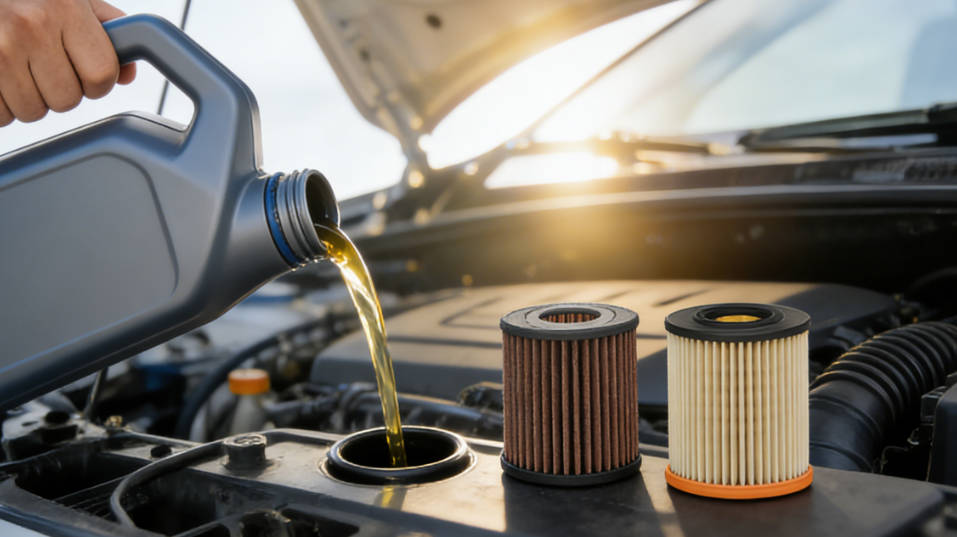
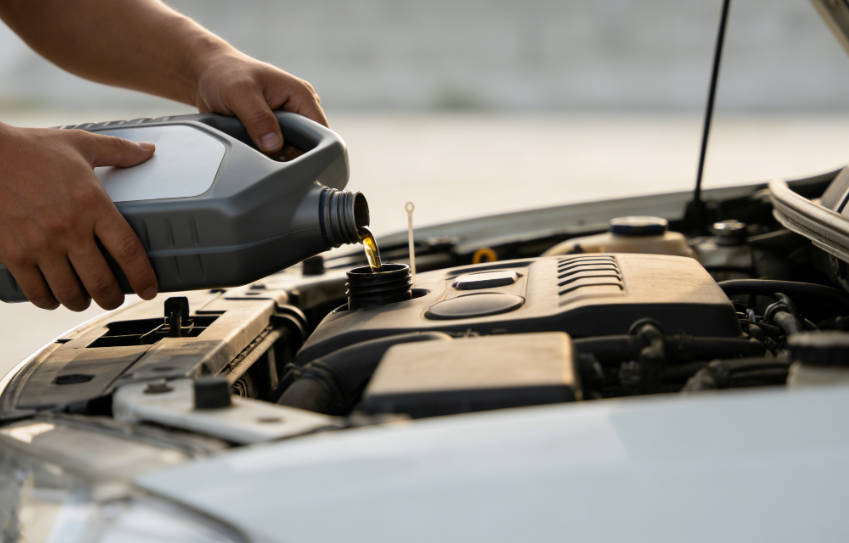
Regular oil changes are the most important maintenance task for your engine. Changing your own oil saves money and ensures you're using the right oil for your vehicle.
Steps:
- Warm up the engine for 2-3 minutes
- Place drain pan under oil drain plug
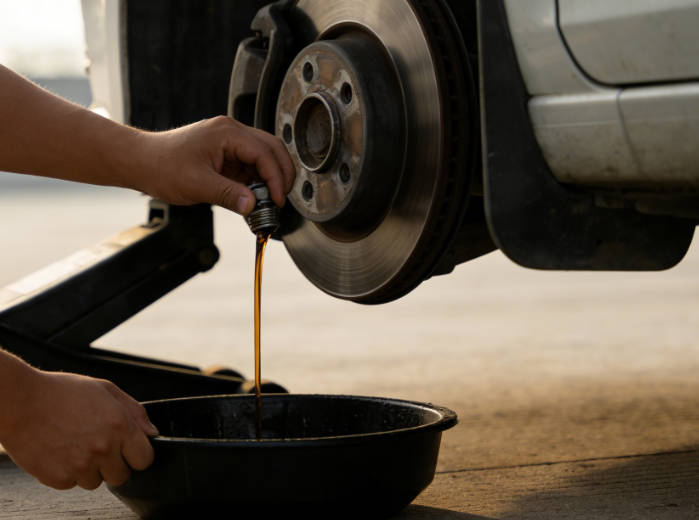
- Remove drain plug and let oil drain completely
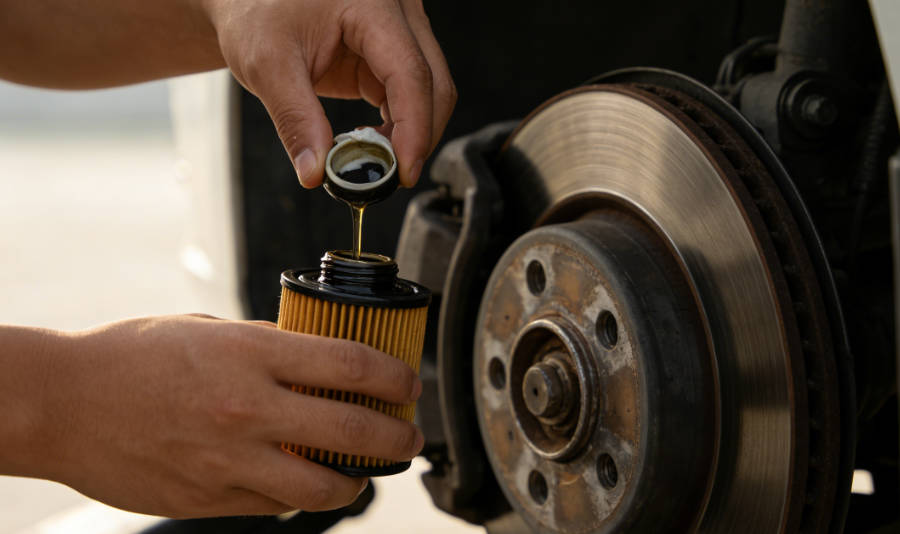
- Replace oil filter with new one
- Reinstall drain plug and add new oil
- Check oil level with dipstick
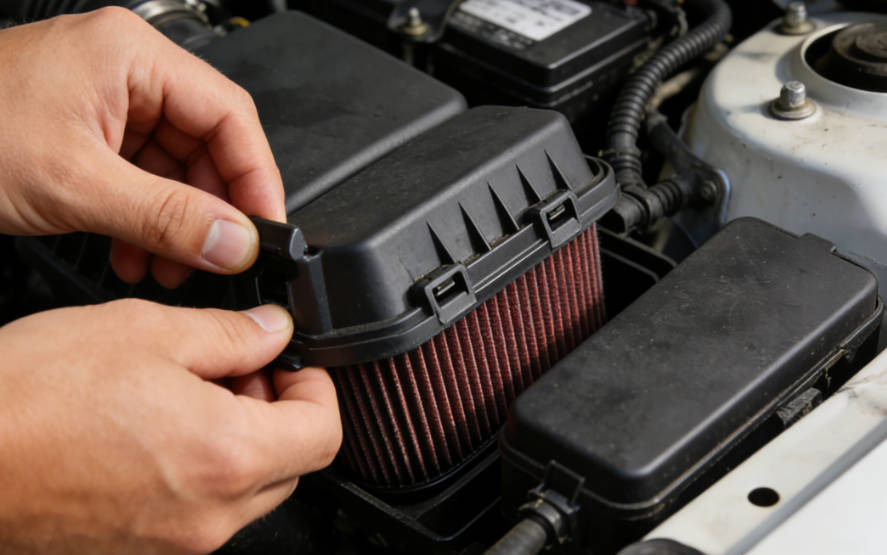
Air Filter Replacement
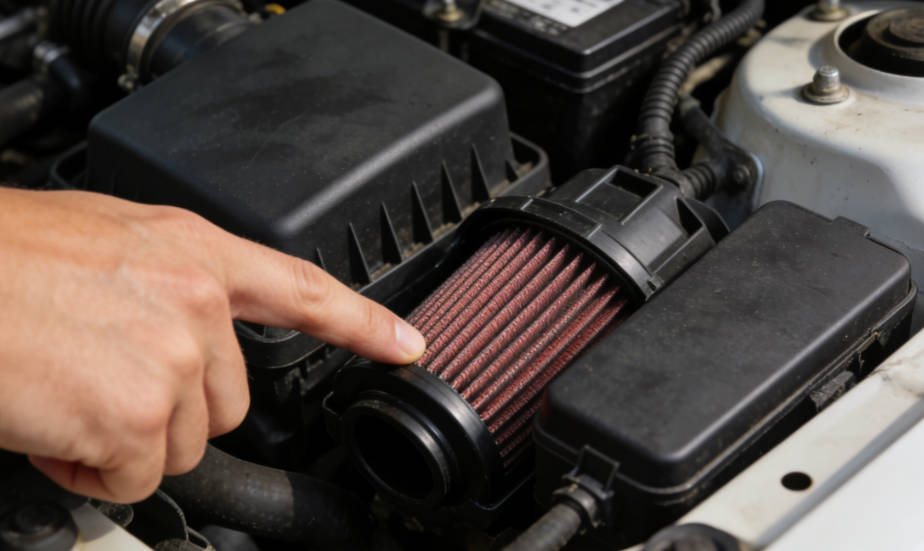
A clean air filter improves fuel efficiency by up to 10% and extends engine life. This is one of the easiest DIY repairs you can do.
Steps:
- Locate the air filter housing (usually near the front of the engine)
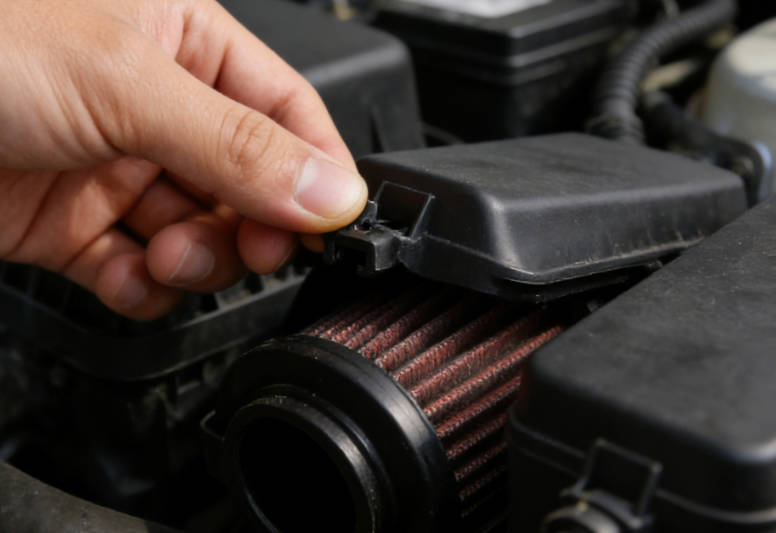
- Remove the clips or screws holding the housing together
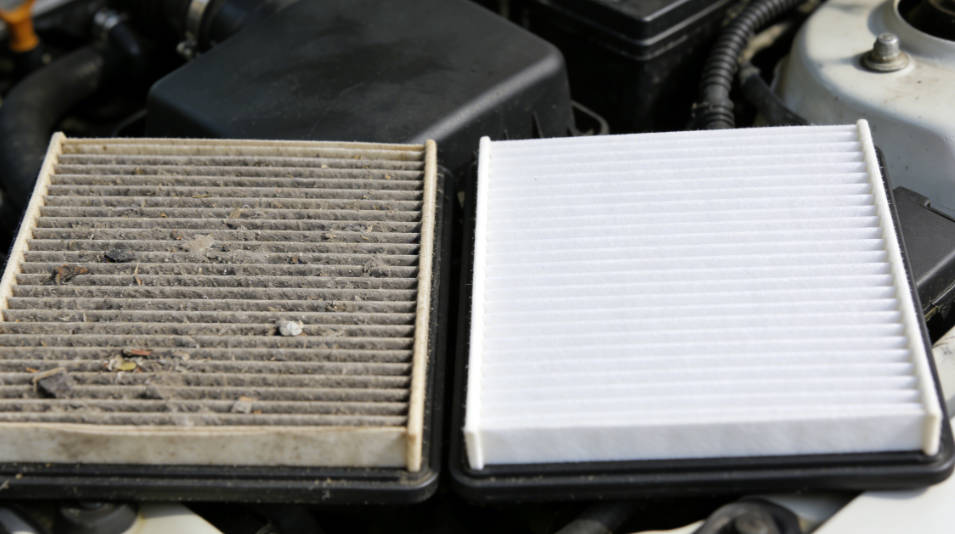
- Take out the old filter and inspect it
- Install the new filter with the correct orientation
- Reassemble the housing and secure it
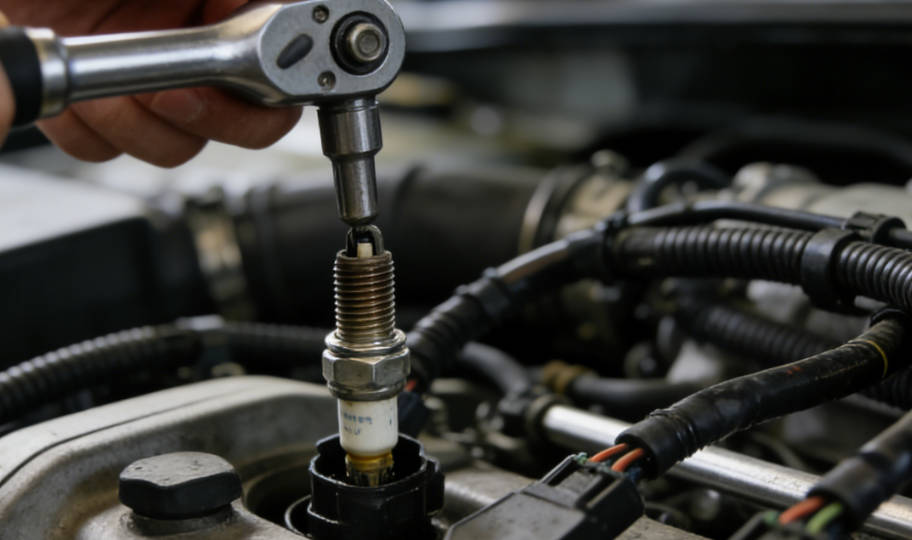
Spark Plug Replacement
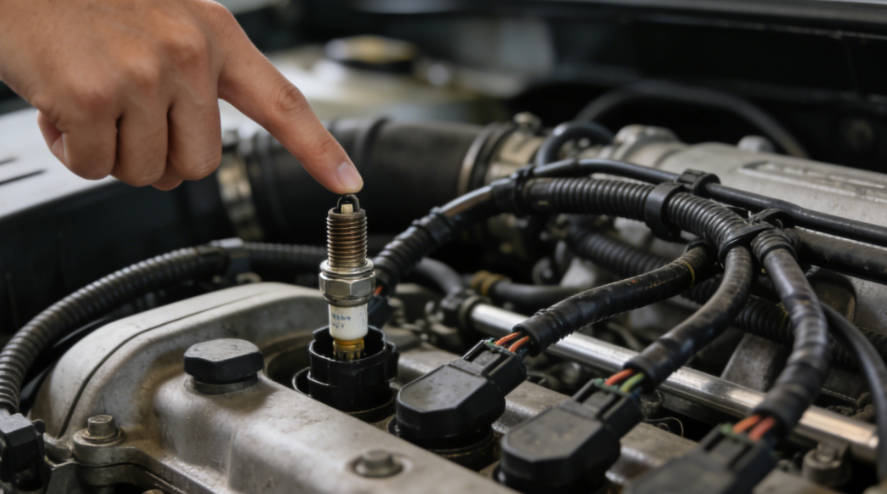
Worn spark plugs can cause misfires, reduced fuel efficiency, and poor acceleration. Replacing them improves engine performance and fuel economy.
Steps:
- Locate the spark plugs (usually connected to thick wires)
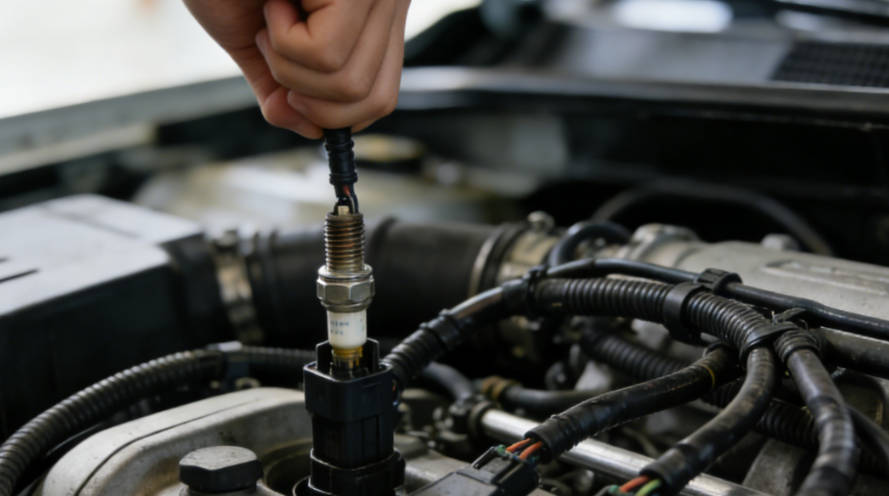
- Remove the spark plug wires or ignition coils
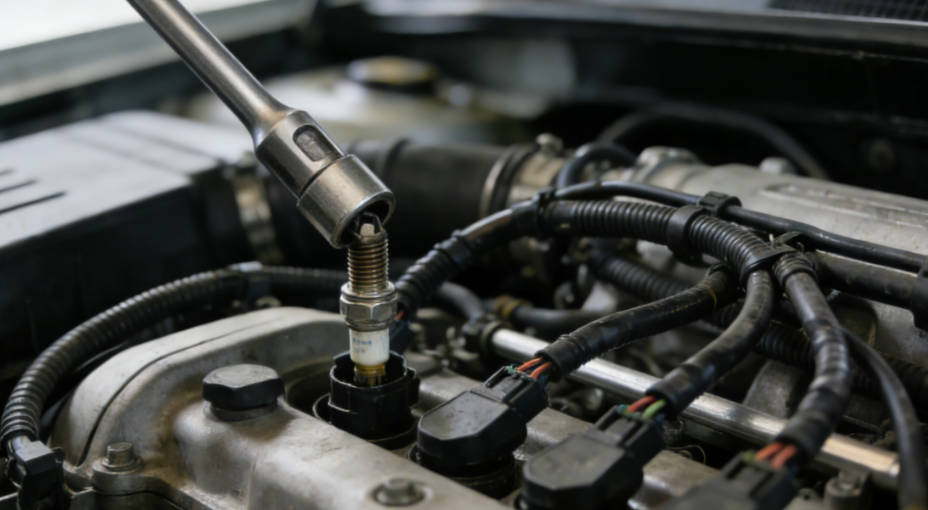
- Use a spark plug socket to remove old plugs
- Gap new spark plugs to manufacturer specifications
- Install new spark plugs and tighten to recommended torque
- Reconnect wires or coils in correct order
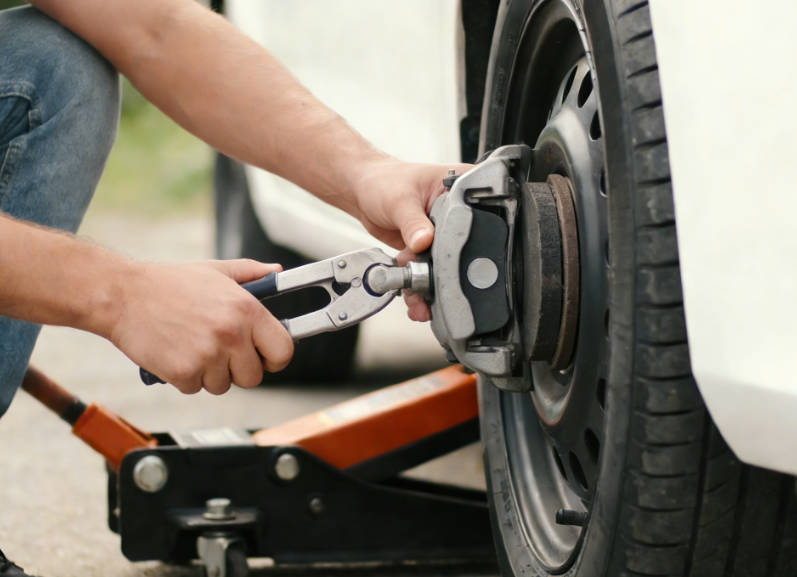
Brake Pad Replacement
Worn brake pads reduce stopping power and can damage rotors. Replacing them is essential for safety and saves significant money over mechanic costs.
Steps:
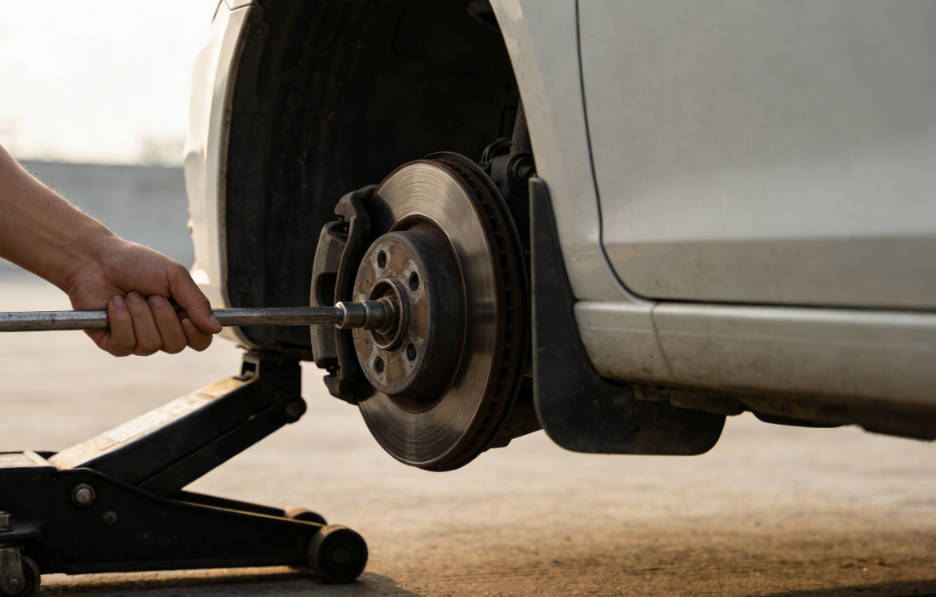
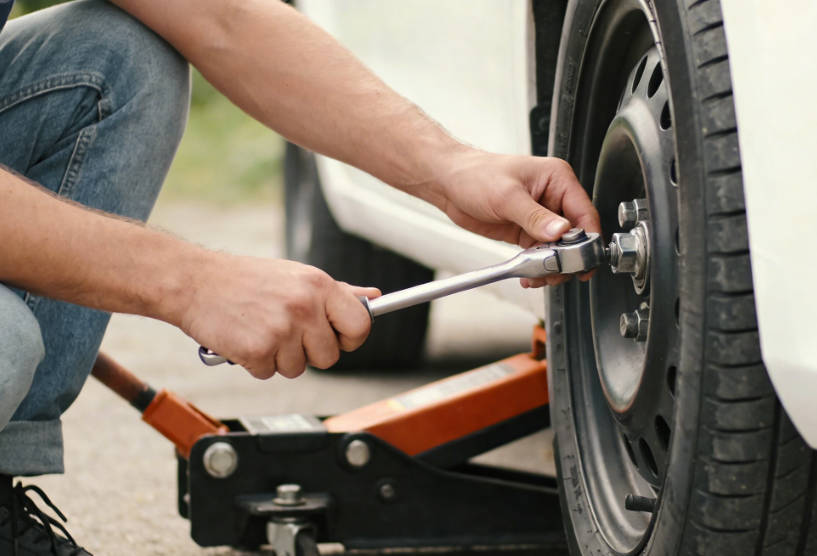
- Loosen lug nuts, jack up the car, and remove wheels
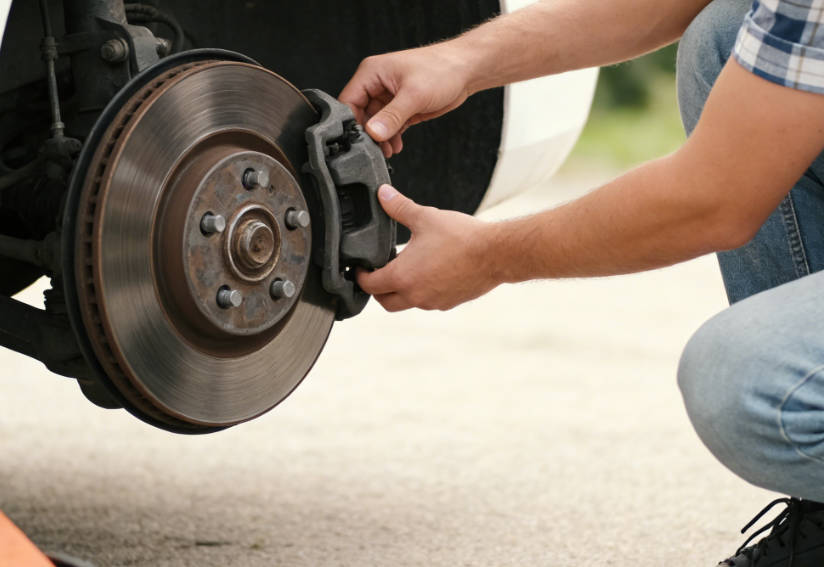
- Remove caliper bolts and slide caliper off
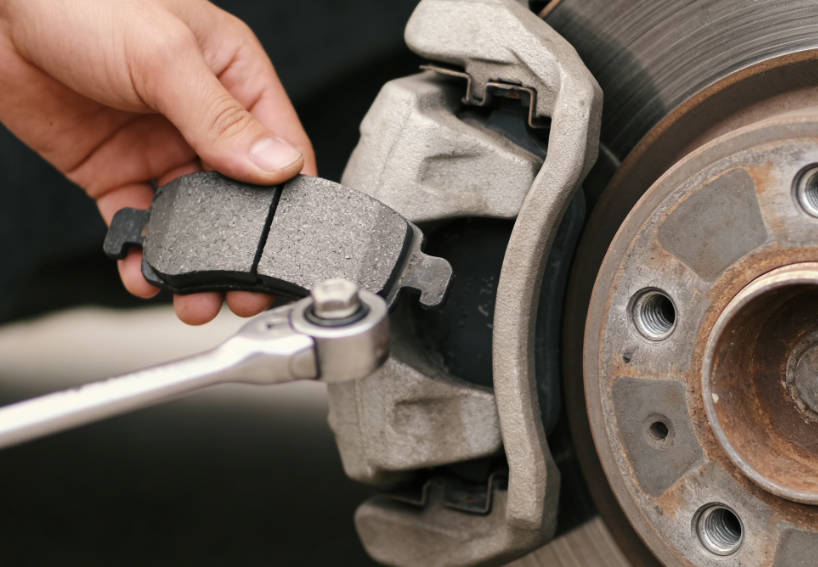
- Remove old brake pads and clean caliper
- Compress caliper piston with a C-clamp
- Install new brake pads with shims
- Reinstall caliper and wheels, then lower the car
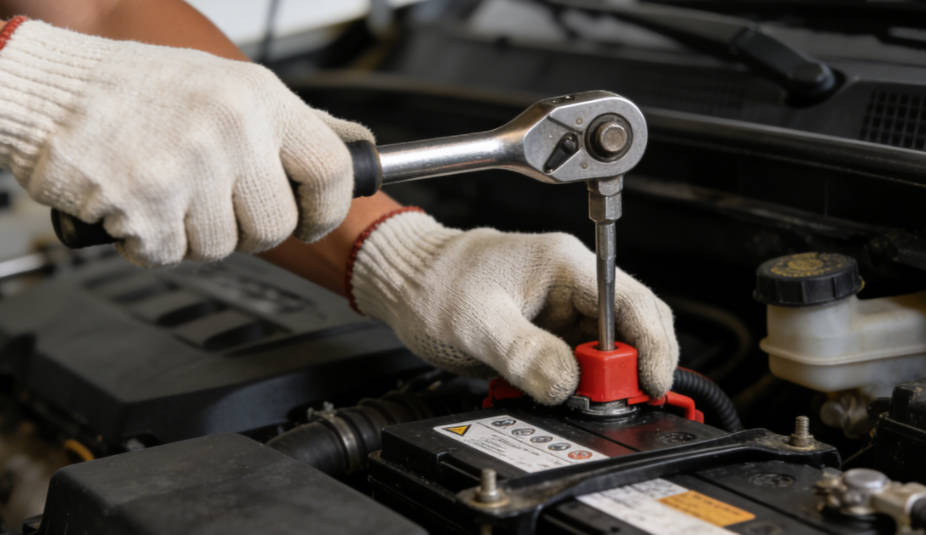
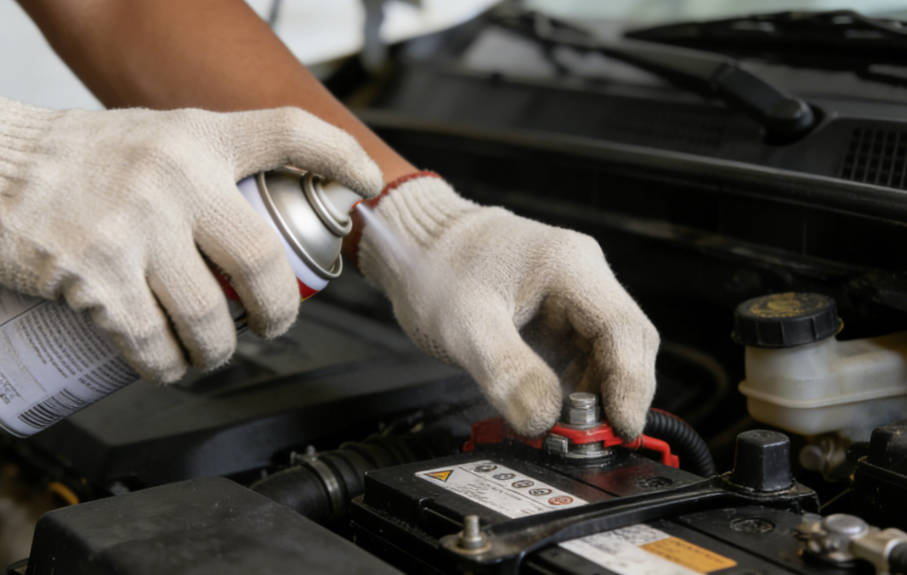
Battery Terminal Cleaning
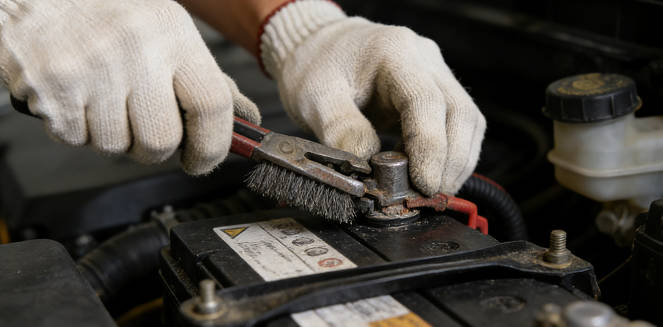
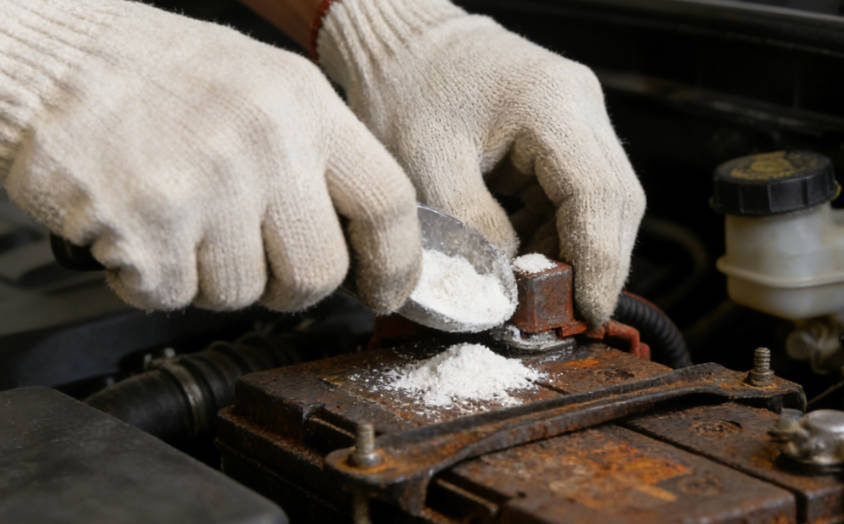
Corroded battery terminals can cause starting problems and electrical issues. Cleaning them improves connection and extends battery life.
Steps:
- Disconnect negative (-) battery terminal first
- Disconnect positive (+) battery terminal
- Use a wire brush to clean corrosion from terminals and clamps
- Apply baking soda paste to remove heavy corrosion if needed
- Reconnect positive terminal, then negative terminal
- Apply terminal protectant spray or grease
DIY vs Professional Repair Guide
Use this table to help decide which repairs you can safely tackle at home and which ones are best left to professionals.
Note: Always consult your vehicle's owner's manual before attempting any repairs. If you're unsure about a procedure or lack the necessary tools, it's best to consult a qualified professional.
Performance-Boosting DIY Tips
Clean Throttle Body
Helps restore smooth throttle response by removing carbon buildup. Many drivers may notice more consistent acceleration and operation. Use throttle body cleaner and a soft brush.
Replace Fuel Filter
Helps maintain clean fuel delivery to the engine, which may contribute to consistent performance and help prevent premature fuel pump wear.
Wheel Alignment Check
Proper alignment helps maintain your vehicle's intended handling characteristics and may contribute to more even tire wear and consistent fuel efficiency. Check for uneven tire wear and steering pull.
Check Tire Pressure
Maintaining correct tire pressure helps your vehicle operate as designed. Some owners may notice more consistent handling and fuel economy when tires are properly inflated.
Start Your DIY Journey Today
You don't need to be a mechanic to perform basic car repairs. With the right tools and guidance, anyone can learn to maintain their vehicle and save money in the process.
By starting with simple tasks like oil changes and air filter replacements, you'll build confidence and gradually tackle more complex repairs. Not only will you save hundreds of dollars annually, but you'll also gain a better understanding of your car and how it works.
Ready to Get Started?
Grab your tools, follow our step-by-step guides, and start saving money while improving your car's performance today!
Explore More Guides