Does prolonged exposure to the sun after washing the car have an impact? The real effects on car paint and interior and the correct approach

AutoInsight Team January 17, 2026 52 Comments 298 Likes 872 Views

The Sun's Impact on Your Car After Washing

Many car owners have wondered: Does prolonged exposure to the sun after washing the car cause damage? The answer is yes, and the effects can be more significant than you might think.

When you wash your car, you're removing dirt, grime, and contaminants that protect the paint from direct UV exposure. If you don't dry and protect your car properly after washing, the sun's rays can cause irreversible damage to both the exterior paint and interior components.

Key Insight

The combination of water, soap residue, and direct sunlight creates a magnifying effect that intensifies UV damage to car paint. This is why it's crucial to dry your car thoroughly after washing, especially on sunny days.
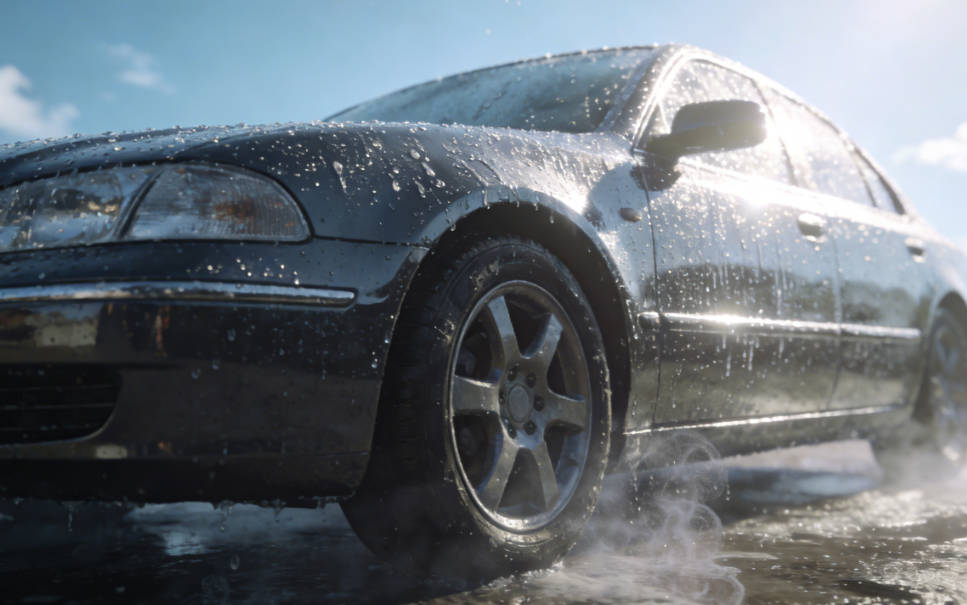
Car in sunshine after washing

Real Effects on Car Paint

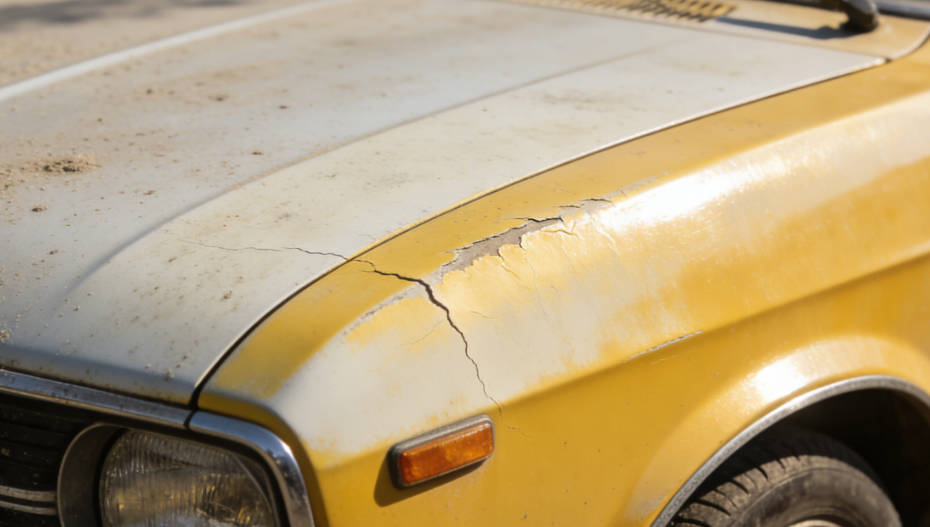
Prolonged sun exposure after washing can cause several types of damage to your car's paint:

  • Oxidation: UV rays break down the clear coat, causing the paint to fade and lose its shine
  • Water spots: Mineral deposits from water evaporating in the sun create permanent spots
  • Swirl marks: Improper drying techniques combined with sun exposure can cause swirling patterns
  • Chemical damage: Soap residue left on the paint reacts with UV rays, causing discoloration

Warning

Dark-colored cars are particularly vulnerable to sun damage after washing, as they absorb more heat and UV radiation. Without proper protection, their paint can fade significantly within just a few years.

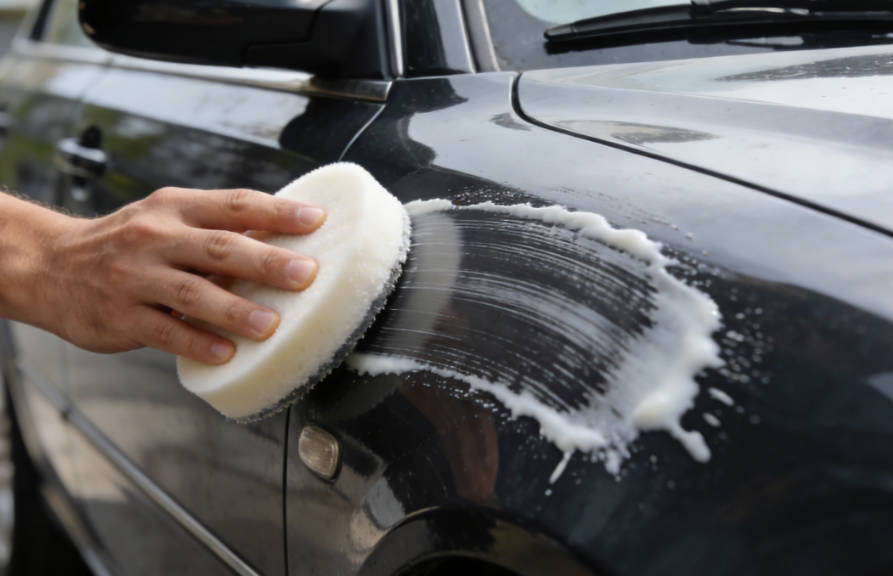
Car paint sun damage

Effects on Car Interior

The sun's impact isn't limited to the exterior. After washing, if your car is left in the sun with wet interior components or open windows, you may experience:

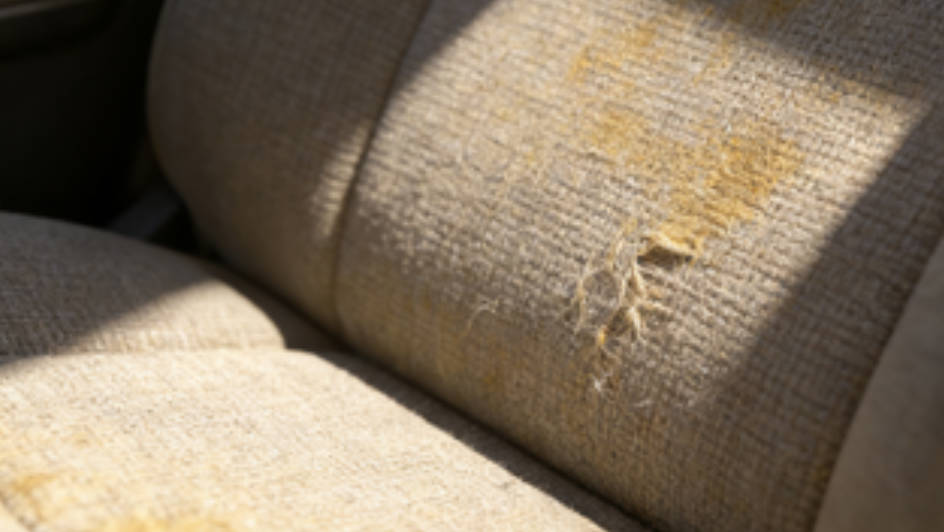
Upholstery Damage

Sunlight fades fabric and leather upholstery, causing it to become brittle and crack over time. The combination of water and heat accelerates this process.

Dashboard Cracking

Plastic dashboards are susceptible to UV damage, which causes them to warp, fade, and crack. Direct sunlight after washing intensifies this damage.

Heat Damage

High temperatures inside a parked car can damage electronic components, melt plastic trim, and even cause airbags to deploy prematurely in extreme cases.

Mold and Mildew

If water gets trapped in the interior during washing and the car is left in the sun, it creates a perfect environment for mold and mildew growth.

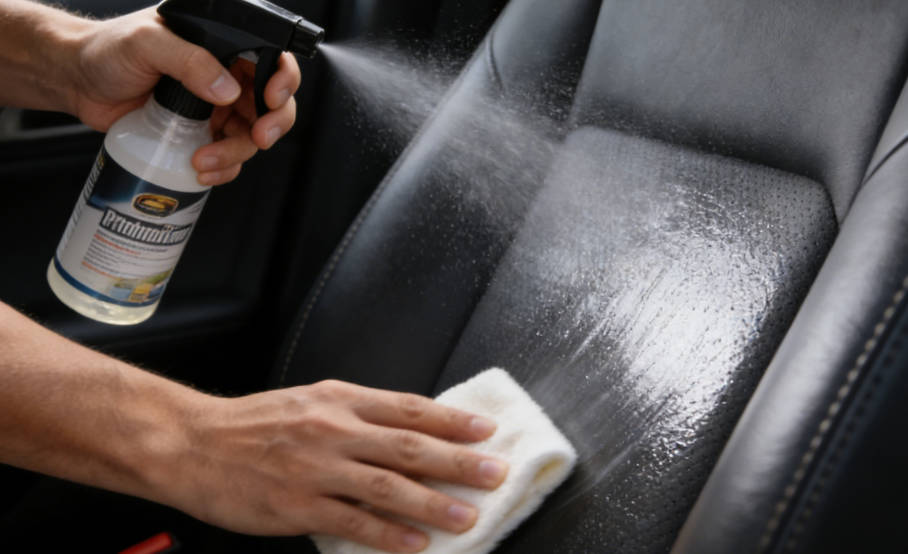
Car interior sun damage

The Correct Approach

To protect your car from sun damage after washing, follow this comprehensive approach:

1. Wash Your Car in the Shade

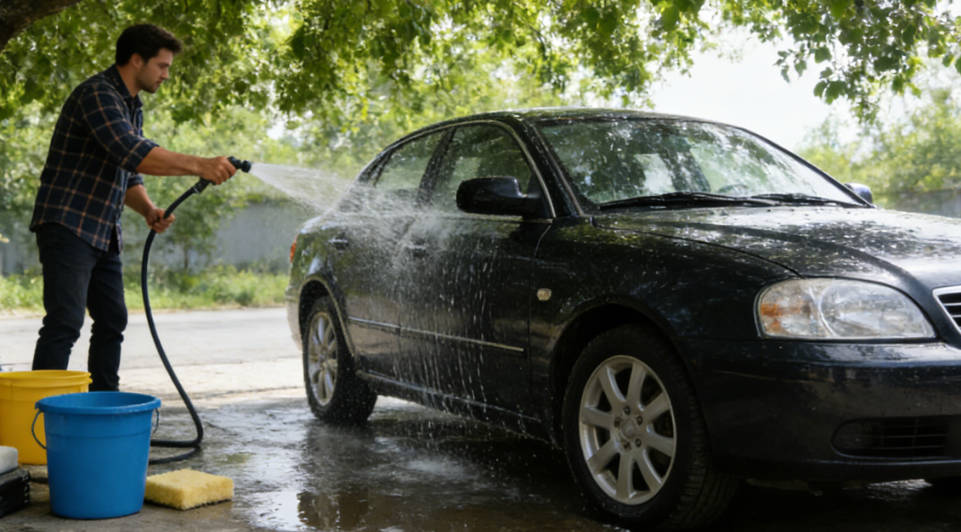
Whenever possible, wash your car in a shaded area or during the cooler parts of the day (early morning or late afternoon). This prevents water from evaporating too quickly and reduces UV exposure during the washing process.

2. Dry Thoroughly

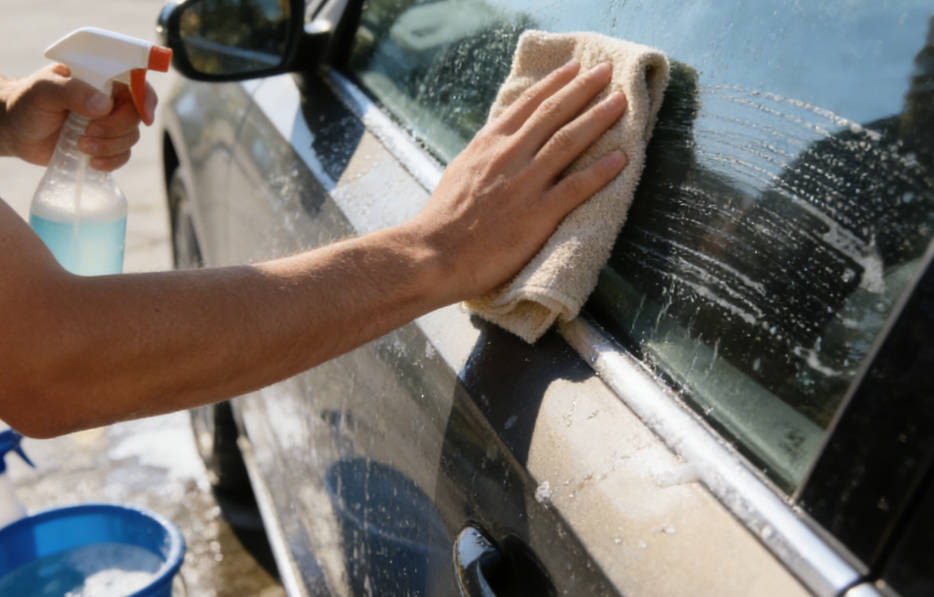
Use a microfiber towel to dry your car immediately after washing. Pay special attention to:

  • Windows and mirrors
  • Door jambs and crevices
  • Chrome trim and accents
  • Wheel wells and tires

3. Apply Protectants

After drying, apply appropriate protectants to maintain your car's finish:

  • Clear coat protectant: Apply a UV-resistant wax, sealant, or ceramic coating to protect the paint
  • Tire dressing: Protect tires from sun damage and cracking
  • Interior protectant: Use a UV protectant on dashboard, seats, and plastic trim

4. Park Smartly

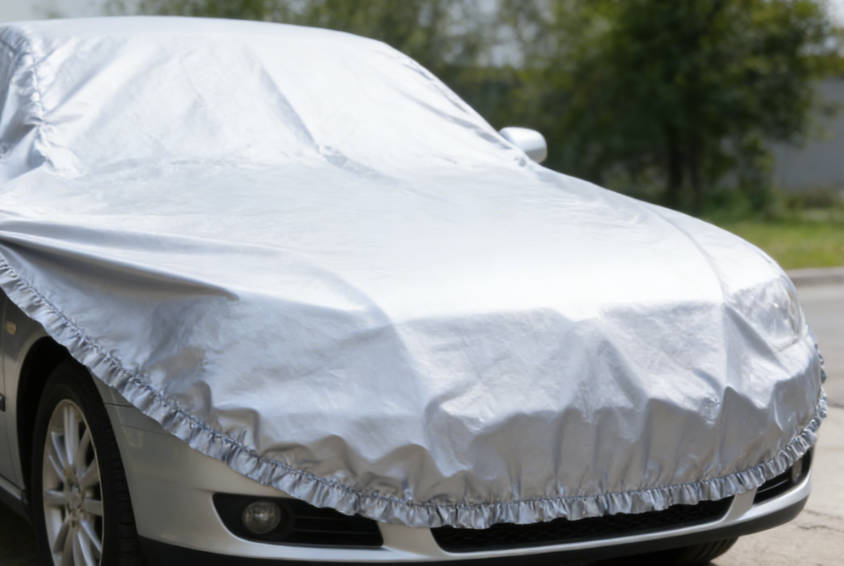
After washing, park your car in a shaded area or use a car cover if you don't have access to shade. This provides an extra layer of protection against UV rays.

Person drying car after washing

Visual Guide: Sun Protection Tips

Frequently Asked Questions

Can I leave my car in the sun after washing if it's dry?

While drying your car helps prevent water spots, prolonged sun exposure can still cause UV damage to the paint and interior. It's best to park in the shade or use a cover whenever possible.

How often should I apply UV protectant to my car?

For optimal protection, apply a UV protectant wax or sealant every 3-6 months, depending on your climate and driving habits. Ceramic coatings can last 1-2 years but are more expensive.

Does ceramic coating completely protect against sun damage?

Ceramic coatings provide excellent UV protection but aren't completely impervious. They still need to be maintained and should be combined with other protection methods for best results.

What's the difference between water spots and sun damage?

Water spots are caused by mineral deposits left behind when water evaporates, while sun damage is caused by UV rays breaking down the paint's chemical structure. Both can be prevented by proper drying and protection after washing.

Conclusion

Prolonged sun exposure after washing your car can indeed cause significant damage to both the paint and interior. The combination of water, soap residue, and direct sunlight creates a perfect storm for accelerated UV damage.

By following the correct approach—washing in the shade, drying thoroughly, applying protectants, and parking smartly—you can protect your car from sun damage and maintain its appearance for years to come.

Remember, proper car care isn't just about aesthetics—it's about preserving your investment and ensuring your vehicle remains in top condition.

Final Tip

Regular maintenance is key. Schedule routine professional detailing at least once a year to deep clean and protect your car from sun damage and other environmental contaminants.

Clean shiny car in garage

Leave a Comment