Imagine this: you're driving on the highway when suddenly you feel a loud pop and your steering wheel jerks—your tire just blew out. Or it's raining heavily, and your car takes twice as long to stop at a red light. These scary scenarios often happen because of neglected tire maintenance. This guide will show you how simple checks and small fixes can prevent these dangerous situations while keeping your tires in top condition.
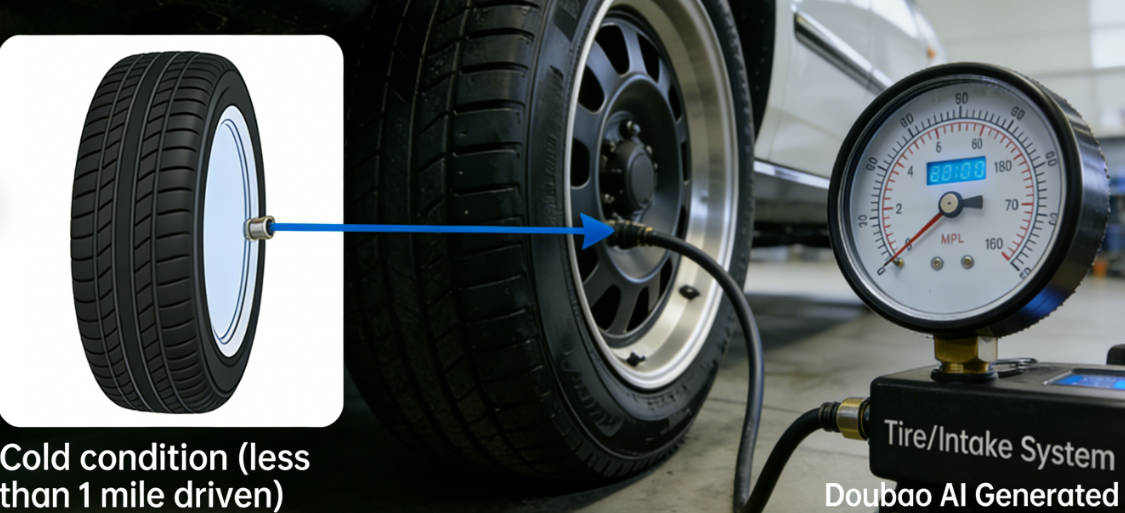
Proper tire pressure is critical for safety, handling, and fuel efficiency. Underinflated tires can cause poor handling, increased tire wear, and reduced fuel economy, while overinflated tires may result in a harsh ride and reduced traction.
Why it matters: Incorrect tire pressure often goes unnoticed until it causes a blowout or affects braking performance, especially in wet conditions.
How to Check Tire Pressure:
-
1
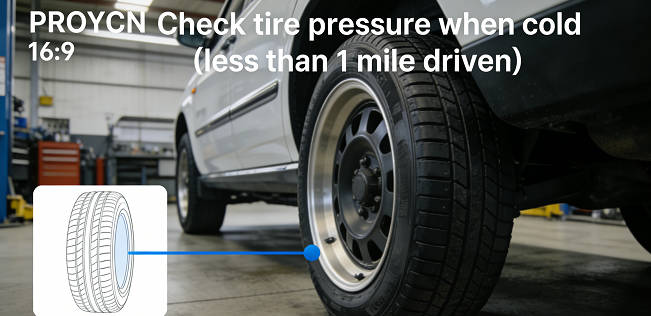
Check tire pressure when tires are cold (driven less than 1 mile)
-
2
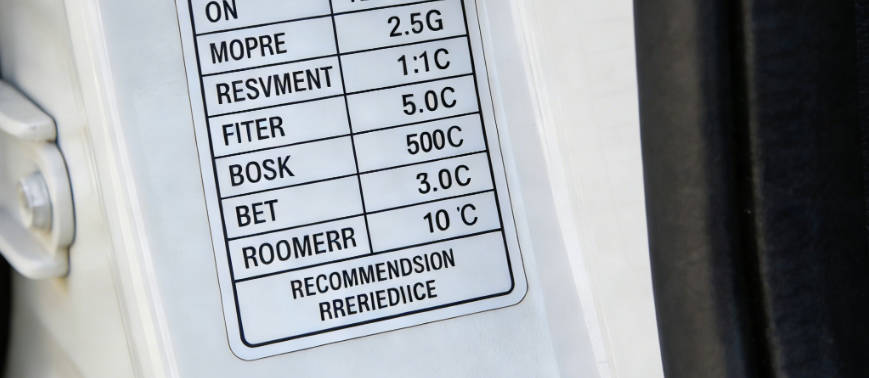
Locate the recommended pressure in your owner's manual or driver's door jamb
-
3
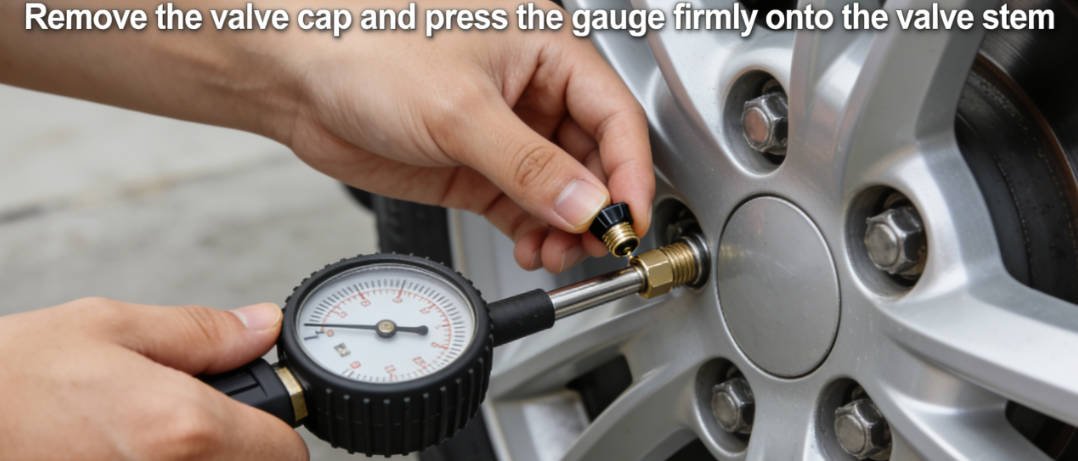
Remove the valve cap and press the gauge firmly onto the valve stem
-
4
Inflate or deflate to reach the recommended pressure
-
5
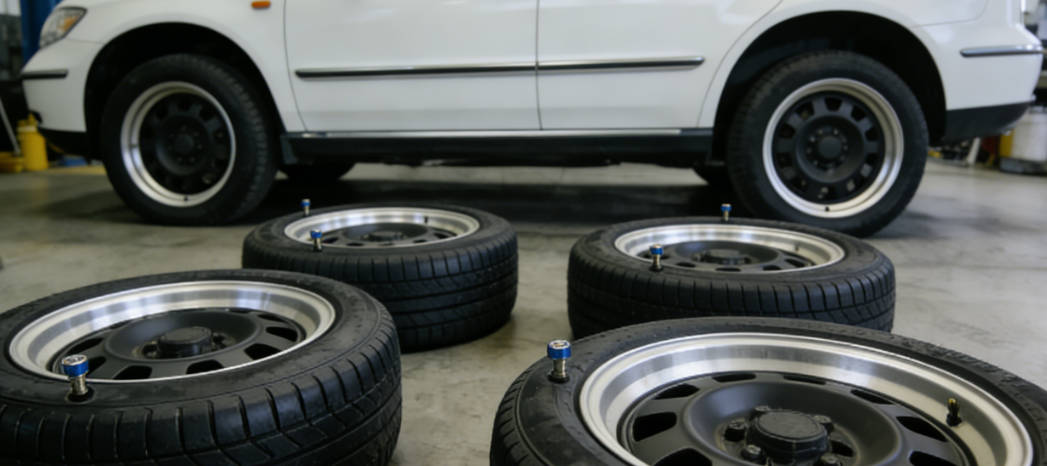
Replace the valve cap and check all four tires
Check tire pressure at least once a month and before long trips
Decision Guidance
- Immediate action needed: If tire pressure warning light is on
- Fix soon (within 24hrs): If pressure is more than 5 PSI below recommended
- Can wait for next check: If pressure is within 2-3 PSI of recommended
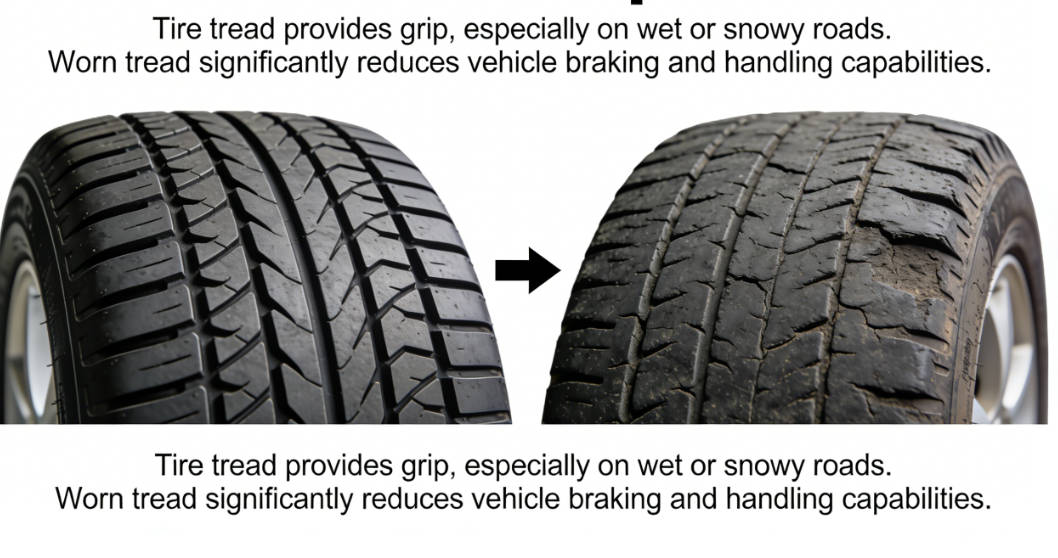
Tire tread provides the traction needed to grip the road, especially in wet or snowy conditions. Worn tread can significantly reduce your ability to stop and control your vehicle.
Why it matters: Worn tread increases the risk of hydroplaning in rain and reduces stopping power by up to 30% on wet roads.
The Penny Test
Place a penny upside down into a tread groove. If you can see Lincoln's entire head, your tread depth is less than 2/32" and it's time to replace your tires.
Replace at 2/32" depth for safety
Tread Wear Indicators
Most modern tires have built-in tread wear indicators - small raised bars within the tread grooves. When the tread is level with these bars, it's time to replace the tires.
Decision Guidance
- Immediate action needed: Tread depth at 2/32" or less
- Plan replacement soon: Tread depth at 3-4/32" (especially if driving in rain/snow)
- Monitor regularly: Tread depth at 5-6/32"
Tire rotation involves moving tires from one position to another to ensure even wear. Front tires wear faster than rear tires due to steering and braking forces.
Why it matters: Uneven tire wear often goes unnoticed until handling degrades or a tire fails prematurely, costing you more in replacement tires.
Rotation Recommendations:
Or
6 Months
Whichever comes first
Rotating tires regularly can extend their life by 25-50%
Decision Guidance
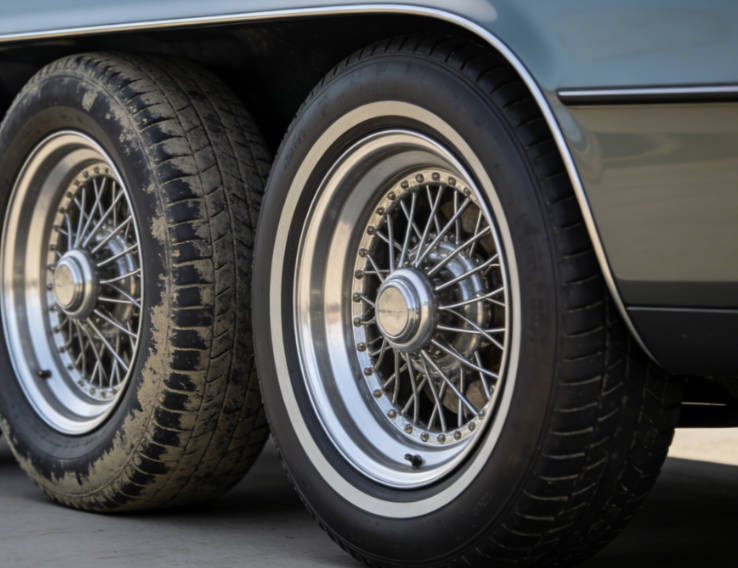
- Don't delay: If you notice uneven wear patterns
- Follow schedule: Regular rotations at 5,000-7,500 miles
- Can wait a bit: If you're within 1,000 miles of your next oil change (combine services)
Regular tire maintenance is not just about extending tire life - it's about keeping you and your passengers safe on the road. Here are essential safety tips to remember:
Why it matters: Tire-related issues cause thousands of accidents each year, many of which could be prevented with simple maintenance checks.
Replace Worn Tires
Tires with less than 2/32" of tread depth are unsafe, especially in wet conditions where hydroplaning can occur.
Seasonal Considerations
Consider winter tires in cold climates with snow or ice. They provide significantly better traction than all-season tires in severe winter conditions.
Regular Inspections
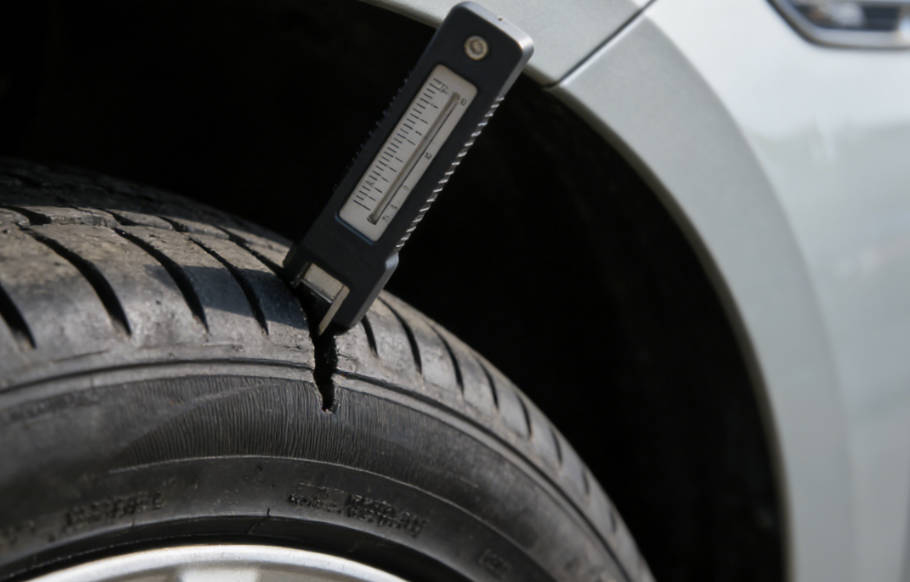
Inspect tires for cuts, bulges, or other damage regularly. Damage can lead to sudden tire failure, especially at highway speeds.
Proper Installation
Always have new tires installed by a professional to ensure proper mounting, balancing, and alignment.
Decision Guidance
- Immediate action needed: Cuts, bulges, or damage to tire sidewalls
- Schedule appointment: Excessive vibration or uneven wear patterns
- Plan ahead: Seasonal tire changes (1-2 weeks before extreme weather)
Frequently Asked Questions
How often should I check my tire pressure?
Check tire pressure at least once a month and before long trips. Tire pressure can drop by 1 PSI for every 10°F drop in temperature.
Do I need to rotate my tires?
Yes, rotating tires every 5,000-7,500 miles helps promote even wear and can extend their lifespan. Front tires typically wear faster than rear tires due to steering and braking forces.
What's the minimum safe tread depth?
The legal minimum tread depth is 2/32" in most states. However, for optimal safety, especially in wet conditions, consider replacing tires when tread depth reaches 4/32".
Should I replace all four tires at once?
Ideally, yes. Replacing all four tires at once helps ensure uniform traction and handling characteristics. If only two tires are replaced, it is recommended to install them on the rear axle to help prevent oversteer.
Is higher tire pressure always better for fuel economy?
No, higher tire pressure isn't always better. While slightly higher pressure can improve fuel economy marginally, overinflating beyond the manufacturer's recommendation can reduce traction, especially in wet conditions, and cause uneven wear. It can also lead to a harsher ride and increase the risk of damage from road hazards.
Final Thoughts
Proper tire maintenance is one of the most important things you can do to help ensure your safety on the road. By regularly checking tire pressure, monitoring tread depth, rotating tires, and following safety basics, you can help extend your tire life, improve fuel efficiency, and maintain good handling and braking performance.
Most tire problems don't happen suddenly—they build up quietly over time. A few minutes of simple checks each month can help prevent dangerous situations on the road.
Remember that tires are your vehicle's only contact with the road - investing time in proper maintenance can help save you money in the long run and, most importantly, can help keep you and your passengers safe.