Breaking down on the road can happen to anyone, anywhere, at any time—especially if you're a new driver still learning the ins and outs of vehicle ownership.
As a new driver, a roadside breakdown can feel overwhelming. You might not know what to do first, how to stay safe, or what tools you'll need to get back on the road. That's where a well-stocked emergency kit comes in. It's your first line of defense when things go wrong, providing the tools and supplies you need to handle common issues until help arrives.
But not all emergency kits are created equal. Many pre-made kits contain unnecessary gadgets while missing the critical items that could actually save you in a real emergency. That's why I've created this guide specifically for new drivers, based on 18 years of roadside assistance experience. I'll walk you through exactly what you need, why you need it, and how to use it—no confusing jargon, just clear, practical advice.
By the end of this guide, you'll have a comprehensive checklist to build your own emergency kit, along with the knowledge to use it confidently. Remember: Being prepared isn't just about having the right tools—it's about having the peace of mind to handle whatever the road throws at you.
Why Every Driver Needs an Emergency Kit
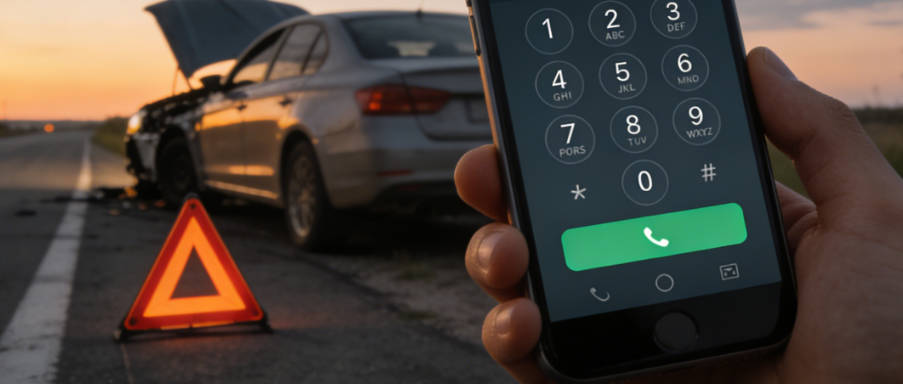
According to the American Automobile Association (AAA), they respond to over 30 million roadside assistance calls each year. The most common issues include flat tires, dead batteries, lockouts, and mechanical failures.
A properly equipped emergency kit can help you:
- ✓ Stay safe and visible to other drivers
- ✓ Make minor repairs to get back on the road
- ✓ Treat minor injuries until help arrives
- ✓ Stay comfortable and hydrated during long waits
- ✓ Signal for help effectively
The Ultimate Emergency Kit Checklist
Safety & Visibility
As a new driver, your safety is the top priority during a breakdown. These items will help you stay visible to other drivers and avoid accidents while you wait for help or make repairs.
Reflective Triangle Kit

Why you need it: When your car breaks down, other drivers might not see you until it's too late, especially at night or in bad weather. Reflective triangles warn approaching traffic to slow down and change lanes if possible.
How to use it: Place the first triangle 10 feet behind your car, the second one 100 feet behind, and the third one 200 feet behind (on highways). For city streets, place them 50-100 feet apart. Always face them toward oncoming traffic.
High-Visibility Vest
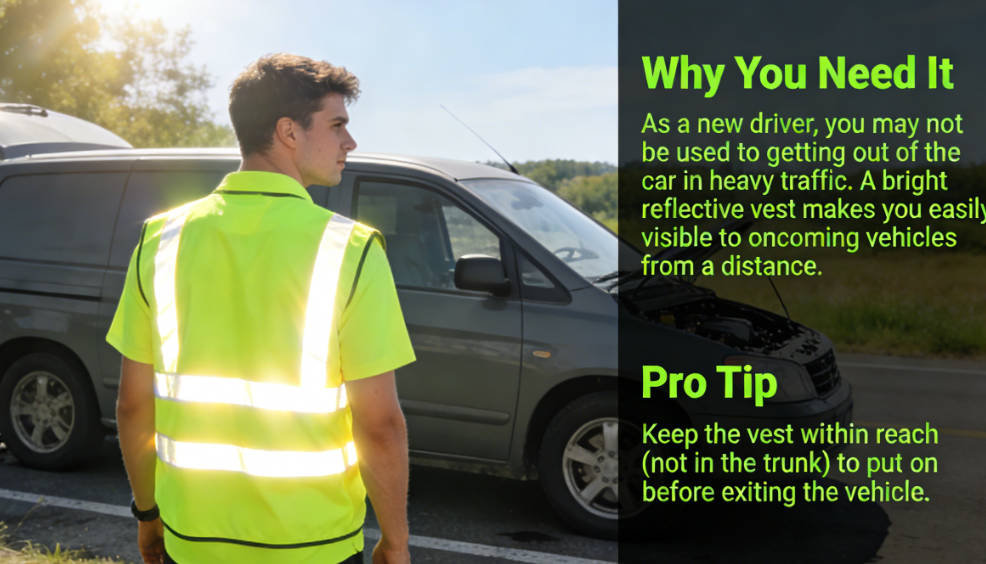
Why you need it: As a new driver, you might not be used to exiting your vehicle in busy traffic. A bright vest makes you easily visible to oncoming cars, even from a distance.
Pro tip: Keep the vest within easy reach (not in the trunk) so you can put it on before getting out of the car.
LED Road Flares
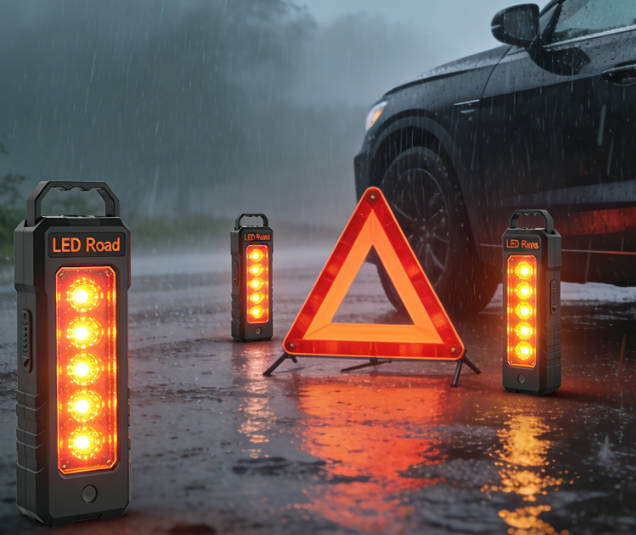
Why you need it: LED flares are safer and more reliable than traditional flares (which can cause fires). They're brighter, last longer, and are easier to see in fog or rain.
How to use it: Activate them and place them around your vehicle similar to the reflective triangles. Many models also have flashing modes to attract attention.
Flashlight with Extra Batteries
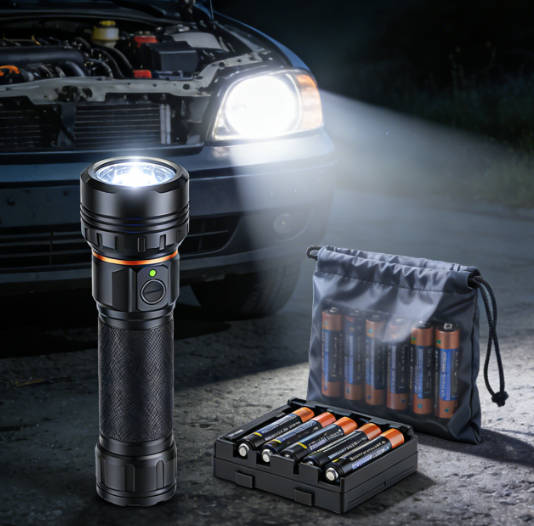
Why you need it: A high-powered LED flashlight helps you see what you're doing during nighttime repairs, and can also be used to signal for help.
What to look for: Choose a flashlight with at least 300 lumens of brightness and a water-resistant design. Always store extra batteries in a waterproof bag to keep them dry.
Headlamp
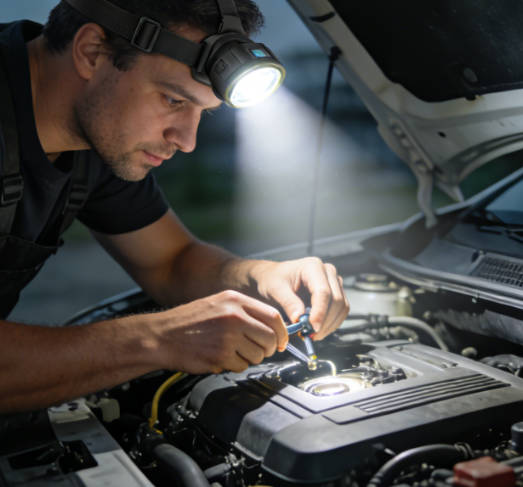
Why you need it: A headlamp provides hands-free lighting, which is essential when you need to use both hands for repairs (like changing a tire or checking under the hood).
Pro tip: Look for a headlamp with adjustable brightness settings to avoid blinding yourself or other drivers.
Tools & Repairs
As a new driver, you might feel nervous about making even simple repairs. These tools are easy to use with a little practice, and they can help you get back on the road quickly without waiting for assistance.
Jack & Lug Wrench
Why you need it: Flat tires are the most common roadside emergency. Your car comes with a jack and lug wrench, but they're often cheap and hard to use. A better quality set can make changing a tire much easier and safer.
How to use it: First, find the proper jack points on your car (check your owner's manual). Place the jack under the car, raise it until the tire is off the ground, then use the lug wrench to loosen the lug nuts counterclockwise. Remove the flat tire, replace it with the spare, and tighten the lug nuts in a star pattern.
Pro tip: Practice changing a tire in your driveway first so you're prepared when it happens on the road.
Jumper Cables
Why you need it: Dead batteries are another common issue, especially in extreme temperatures. Jumper cables can help you get your car started if you can find a good Samaritan with a working vehicle.
How to use it: Turn off both vehicles. Connect the red clamp to the positive (+) terminal of the dead battery. Connect the other red clamp to the positive (+) terminal of the good battery. Connect the black clamp to the negative (-) terminal of the good battery. Connect the other black clamp to an unpainted metal surface on the dead car (not the battery). Start the good car, let it run for a few minutes, then try starting the dead car.
What to look for: Choose heavy-duty cables (12+ feet long, 4-6 gauge) that can handle the current needed to jump-start most vehicles.
Tire Pressure Gauge
Why you need it: Proper tire pressure improves fuel efficiency, extends tire life, and keeps you safe. Many gas station gauges are inaccurate, so having your own is essential.
How to use it: Remove the valve cap from your tire, press the gauge onto the valve stem until you hear a hissing sound, and read the pressure. Check your owner's manual for the recommended pressure (usually between 30-35 PSI).
Pro tip: Check your tire pressure at least once a month, and always before long trips.
Multi-Tool
Why you need it: A multi-tool combines many essential tools into one compact device, saving space in your kit.
What to look for: Choose a multi-tool with pliers, a knife, screwdrivers (both Phillips and flathead), a can opener, and a bottle opener. Some models also include wire cutters, which can be useful for minor electrical repairs.
Pro tip: Look for a multi-tool with a locking mechanism to prevent accidents.
Duct Tape & Electrical Tape
Why you need it: These tapes can fix almost anything temporarily until you can get to a mechanic.
How to use it: Duct tape can repair broken mirrors, hold together loose parts, or even temporarily fix a leak. Electrical tape is for covering exposed wires to prevent shorts or shocks.
Pro tip: Store the tape in a plastic bag to keep it clean and easy to find.
Fix-A-Flat or Spare Tire Repair Kit
Why you need it: If you don't have a spare tire (some newer cars don't), or if you can't change the tire yourself, these kits can temporarily fix a flat so you can drive to a repair shop.
How to use it: Shake the can of Fix-A-Flat, attach it to the valve stem, and release the sealant into the tire. It will inflate the tire and seal small punctures.
Pro tip: Fix-A-Flat is a temporary solution—you should still get your tire repaired or replaced as soon as possible.
First Aid
Accidents can happen during a breakdown, from minor cuts while changing a tire to more serious injuries. Having a well-stocked first aid kit and knowing how to use it can make all the difference.
Comprehensive First Aid Kit
Why you need it: A basic first aid kit can treat minor injuries and stabilize more serious ones until professional help arrives.
What to include: Look for a kit that contains bandages (various sizes), antiseptic wipes, gauze pads, adhesive tape, scissors, tweezers, safety pins, and a first aid manual.
Pro tip: Keep your first aid kit in a waterproof container to protect the contents from moisture and dust.
Antiseptic Wipes
Why you need it: Cleaning a wound with antiseptic wipes before bandaging helps prevent infection.
How to use it: Gently wipe the wound and the surrounding area with the wipe. Avoid using the same wipe on multiple areas to prevent cross-contamination.
Pro tip: If you don't have antiseptic wipes, clean water and mild soap can work in a pinch.
Pain Relievers
Why you need it: Pain relievers can help manage discomfort from minor injuries, headaches, or muscle aches during a breakdown.
What to include: Both acetaminophen (Tylenol) and ibuprofen (Advil) are good choices. Acetaminophen is better for pain relief, while ibuprofen reduces inflammation.
Important: Always check the expiration dates and follow the recommended dosage instructions.
Emergency Blanket
Why you need it: Emergency blankets (also called space blankets) are lightweight but incredibly effective at retaining body heat, which is critical if you're stranded in cold weather.
How to use it: Wrap the blanket around your body, making sure to cover your head and neck. The shiny side should be facing inward to reflect your body heat back to you.
Bonus use: In hot weather, you can use the blanket to provide shade by draping it over your car or a tree branch.
Latex Gloves
Why you need it: Disposable gloves protect both you and the injured person from infection during first aid.
How to use it: Put on a new pair of gloves before treating any injury. If the gloves become torn or soiled, replace them immediately.
Pro tip: If you have latex allergies, make sure to include nitrile gloves instead.
CPR Mask
Why you need it: A CPR mask provides a barrier between you and the injured person during CPR, reducing the risk of disease transmission.
Important: Consider taking a CPR class to learn how to use the mask properly—it could save a life.
Survival Essentials
As a new driver, you might not realize that a simple breakdown can turn into a long wait for help, especially in remote areas. These survival essentials will keep you comfortable and safe until assistance arrives.
Water Bottles
Why you need it: Your body can only survive a few days without water. Even a short wait for help can become uncomfortable if you're dehydrated.
How much to bring: Store at least 2 liters of water per person in your vehicle. In hot climates, you might need more.
Important: Replace the water every 6 months to keep it fresh and prevent bacterial growth.
Non-Perishable Snacks
Why you need it: Low blood sugar can make you irritable, fatigued, and unable to think clearly—none of which are helpful during an emergency.
What to include: Choose snacks that are high in protein and carbohydrates, like energy bars, nuts, dried fruit, beef jerky, or peanut butter packets. Avoid chocolate or items that melt easily.
Pro tip: Check the expiration dates regularly and replace expired items.
Hand Sanitizer
Why you need it: Maintaining hygiene is important, especially if you're handling tools or treating injuries.
How to use it: Apply a dime-sized amount to your hands and rub them together until dry.
Pro tip: Look for hand sanitizer with at least 60% alcohol for maximum effectiveness.
Whistle
Why you need it: If you're stranded in a remote area or during bad weather, a whistle can help rescuers locate you faster than shouting.
How to use it: Blow 3 short blasts, pause, then repeat. This is the international distress signal.
Pro tip: Attach the whistle to your keychain or keep it in your pocket so you always have it with you.
Map & Compass
Why you need it: GPS and cell phone service can fail, especially in remote areas. A map and compass are reliable navigation tools.
How to use it: Learn the basics of map reading and compass navigation before you need them. Many local community centers offer free classes.
Pro tip: Mark your usual routes on the map so you have a reference point if you get lost.
Emergency Contact List
Why you need it: If your phone dies or gets damaged, you'll still have access to important phone numbers.
What to include: Roadside assistance, insurance company, family members, and local emergency services numbers.
Pro tip: Keep a printed copy in your glove compartment and a digital copy stored in the cloud.
Comfort & Convenience
While not essential for survival, these items can make a stressful breakdown much more comfortable. As a new driver, small comforts can help you stay calm and focused.
Cell Phone Charger
Why you need it: Your cell phone is your lifeline during an emergency. It's how you'll call for help, check maps, or communicate with family.
What to include: Both a car charger (for when your car is still running) and a portable power bank (for when the battery is dead).
Pro tip: Choose a power bank with at least 10,000 mAh capacity—it can charge most phones 2-3 times.
Pen & Notepad
Why you need it: You might need to write down important information like a tow truck driver's name, insurance details, or directions to a repair shop.
What to include: A waterproof notebook and a pen that writes smoothly in all conditions.
Pro tip: Keep these items in your glove compartment so they're always easy to find.
Umbrella
Why you need it: Waiting for help in the rain or snow is miserable. An umbrella provides much-needed shelter.
What to look for: A compact, windproof umbrella that can fit in your glove compartment or center console.
Pro tip: Choose a brightly colored umbrella so you're more visible to passing cars.
Paper Towels or Wet Wipes
Why you need it: Repairs can be messy! Paper towels or wet wipes help clean your hands, tools, or spills in your car.
What to include: Both paper towels (for absorbing liquids) and wet wipes (for cleaning sticky or greasy surfaces).
Pro tip: Store wet wipes in a resealable bag to keep them from drying out.
Spare Cash
Why you need it: Some service stations or repair shops might not accept cards, especially in remote areas. Cash ensures you can pay for emergencies.
How much to keep: Aim for $50-$100 in small bills ($5, $10, $20) so you can pay for small services or supplies.
Pro tip: Store the cash in a hidden but easily accessible place in your car.
Plastic Trash Bags
Why you need it: Trash bags can be used for many purposes—collecting garbage, protecting items from rain, or even as an emergency poncho.
What to look for: Heavy-duty trash bags that won't tear easily.
Pro tip: Store a few bags in your emergency kit—you'll be surprised how often they come in handy.
Weather-Specific Items
As a new driver, you might not be prepared for how weather can impact your vehicle and safety. These items will help you handle extreme conditions.
Winter Essentials
Why you need them: Winter weather can be particularly challenging for new drivers. These items help you navigate snow, ice, and cold temperatures safely.
What to include:
• Ice scraper and snow brush: Look for a combination tool with a long handle to reach all parts of your windshield and roof.
• Hand warmers: Keep your hands warm while scraping ice or waiting for help.
• Small shovel: For digging your car out of snow if you get stuck.
• Windshield de-icer fluid: Helps melt ice quickly and improves visibility.
• Traction mats: Place under your tires for extra traction on ice or snow.
Pro tip: Keep these items in your trunk or back seat so they're accessible even if snow blocks your trunk lid.
Summer Essentials
Why you need them: Hot weather can cause your car to overheat and put you at risk of dehydration or sunburn.
What to include:
• Sunscreen: At least SPF 30 to protect your skin from harmful UV rays.
• Insect repellent: Keeps bugs away if you need to wait outside.
• Extra water: More than your usual supply—you'll sweat more in hot weather.
• Sunshade: Protects your dashboard from cracking and keeps your car cooler.
• Cooling towels: Can be soaked in water to help you stay cool.
Pro tip: Store sunscreen in your glove compartment, not the trunk, where it can melt in high temperatures.
Real-World Scenarios: How Your Kit Will Save the Day
As a new driver, it's hard to imagine how these items will work together in an emergency. Here are three common scenarios where your well-stocked kit will make all the difference:
Dead Battery at Night
It's your first time driving alone at night. You stop to get gas, and when you try to restart your car, nothing happens—your battery is dead. What you'll do:
1. Turn on your hazard lights immediately.
2. Put on your high-visibility vest before exiting the vehicle.
3. Set up your reflective triangles 10, 100, and 200 feet behind your car.
4. Use your LED flashlight to inspect the battery and make sure you understand the connections.
5. Flag down a passing driver and ask for a jump.
6. Use your jumper cables following the correct sequence (red to positive, black to negative on good battery, then black to metal on your car).
7. Once your car starts, use your cell phone charger to recharge your phone before driving home.
Flat Tire on a Busy Highway
You're on your way to your first job interview when you hear a loud pop—you have a flat tire. Traffic is moving fast, but you manage to pull onto the shoulder. What you'll do:
1. Stay calm and don't panic. New drivers often feel overwhelmed in this situation.
2. Activate your hazard lights and put on your high-visibility vest.
3. Set out your LED road flares to warn approaching traffic.
4. Use your headlamp for hands-free lighting while you work.
5. Retrieve your jack, lug wrench, and spare tire from the trunk.
6. Follow the steps you practiced at home: loosen lug nuts, jack up the car, remove the flat, replace with spare, tighten nuts in a star pattern.
7. Use paper towels to clean your hands, then drive slowly to the nearest repair shop to get a proper tire.
Snowstorm Stranding
You're driving home from a friend's house when a sudden snowstorm hits. You lose control on an icy patch and get stuck in a ditch. Your phone has no signal. What you'll do:
1. Stay with your car—it's your best shelter.
2. Put on your extra layers and use your emergency blanket to stay warm.
3. Activate your LED flashlight and place it in the window to signal rescuers.
4. Use your small shovel to dig around your tires to create traction.
5. Place your traction mats under the drive wheels.
6. Eat an energy bar and drink water to stay hydrated and maintain energy.
7. Use your whistle to blow three short blasts every 15 minutes to alert rescuers.
8. When help arrives, use your pen and notepad to write down the tow truck driver's information.
How to Organize Your Emergency Kit
As a new driver, you might not think about organization, but in an emergency, you need to find items quickly without fumbling around. Here's how to keep your kit organized:
- Choose the right container: Use a durable, waterproof container with a secure lid. A plastic storage bin or a dedicated emergency kit bag works well. Avoid flimsy bags that might tear open.
- Categorize items: Group items by type (safety, tools, first aid, survival) and use labeled compartments or small zipper bags. This way, you'll know exactly where to find what you need.
- Keep it accessible: Store the kit in your trunk where it's easily reached, but not buried under other cargo. If you have a small car, consider a compact kit that fits under the seat.
- Label everything: Use clear labels on all compartments and containers. You don't want to be guessing what's inside when you're in a hurry.
- Keep a checklist: Print a copy of this checklist and keep it in the kit. It will help you quickly see if anything is missing and guide you during emergencies.
- Separate weather items: Store winter and summer essentials in separate bags so you can easily swap them out with the seasons.
- Store frequently used items within reach: Keep items like your flashlight, phone charger, and first aid kit in your glove compartment or center console for quick access.
When to Update Your Kit
Your emergency kit is only useful if it's in good condition. As a new driver, make updating your kit part of your regular vehicle maintenance routine.
Seasonally
Why it matters: Weather conditions change dramatically with the seasons, and your kit needs to adapt.
What to do:
• In spring: Remove winter items like ice scrapers and add sunscreen, insect repellent.
• In summer: Ensure you have extra water and cooling items.
• In fall: Start preparing for colder weather by checking your winter gear.
• In winter: Add all your cold-weather essentials and test your battery.
Pro tip: Set a reminder on your phone to update your kit when the seasons change.
Every 6 Months
Why it matters: Many items in your kit have expiration dates or degrade over time.
What to check:
• Water bottles: Replace every 6 months to prevent bacterial growth.
• Food items: Check expiration dates and replace anything that's expired.
• Medications: Ensure first aid supplies haven't expired.
• Batteries: Test flashlights, headlamps, and other battery-powered items.
• Jumper cables: Check for any damage or fraying.
Pro tip: Schedule this check when you get your oil changed so you don't forget.
After Each Use
Why it matters: If you use items during an emergency, your kit won't be complete for the next situation.
What to do:
• Make a list of all items you used during the emergency.
• Replace them as soon as possible (don't wait until the next scheduled check).
• Take note of anything that worked well or didn't work at all, and update your kit accordingly.
Pro tip: Keep a small notebook in your kit to track what you use.
When You Get a New Vehicle
Why it matters: Different vehicles have different requirements for tools like jacks and spare tires.
What to check:
• Ensure your jack is compatible with your new car's jack points (check your owner's manual).
• Verify your spare tire fits your new vehicle.
• Check if you need any specialized tools for your new car.
• Update your emergency contact list with new insurance information.
Pro tip: Take your new car to a parking lot and practice using the jack and spare tire before you need to do it in an emergency.
Frequently Asked Questions
• Winter: Add ice scraper, snow brush, hand warmers, small shovel, and traction mats
• Summer: Add extra water, sunscreen, insect repellent, and cooling towels
This seasonal swapping ensures your kit is always appropriate for current conditions without being unnecessarily bulky.
1. Reflective triangles or LED road flares
2. High-visibility vest
3. Jumper cables (compact version)
4. Basic first aid kit
5. LED flashlight
6. Water and energy bars
7. Cell phone charger
Look for compact or multi-purpose versions of these items, like a flashlight with a built-in power bank or a first aid kit that fits in your glove compartment.
• Your jack and lug wrench (in a safe, open area)
• Your jumper cables (with a friend's supervision)
• Your tire pressure gauge
• Your multi-tool and other repair items
Practicing these skills before an emergency will help you stay calm and confident when you actually need to use them.
1. Turn on your hazard lights
2. Stay inside your car if it's safe to do so
3. Call for help using your phone
4. If you must exit the car, wear light-colored clothing to be visible
5. Use whatever you have available (like a scarf or piece of clothing) to signal for help
This situation highlights why having an emergency kit is so important—it gives you options when things go wrong.
Your Safety Starts with Preparation
As a new driver, the road ahead is full of excitement and new experiences. But it's also important to prepare for the unexpected. Building a comprehensive emergency kit is one of the most responsible and empowering things you can do for yourself and your passengers.
Remember, emergencies happen when we least expect them—whether it's a flat tire on your way to class, a dead battery after a late-night study session, or getting stuck in bad weather on your first road trip.
Your emergency kit isn't just a collection of items—it's your safety net. It's there to help you stay calm, handle problems confidently, and keep yourself safe until help arrives. Every item in your kit serves a purpose, and every skill you practice using them will make you a more prepared and capable driver.
Take 30 minutes this week to gather your supplies, practice using your tools, and organize your kit. Your future self will thank you. Safe driving!