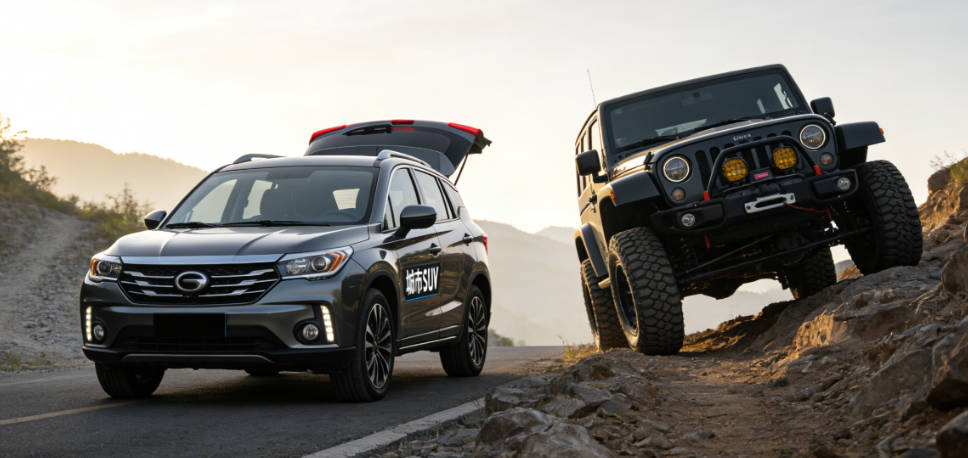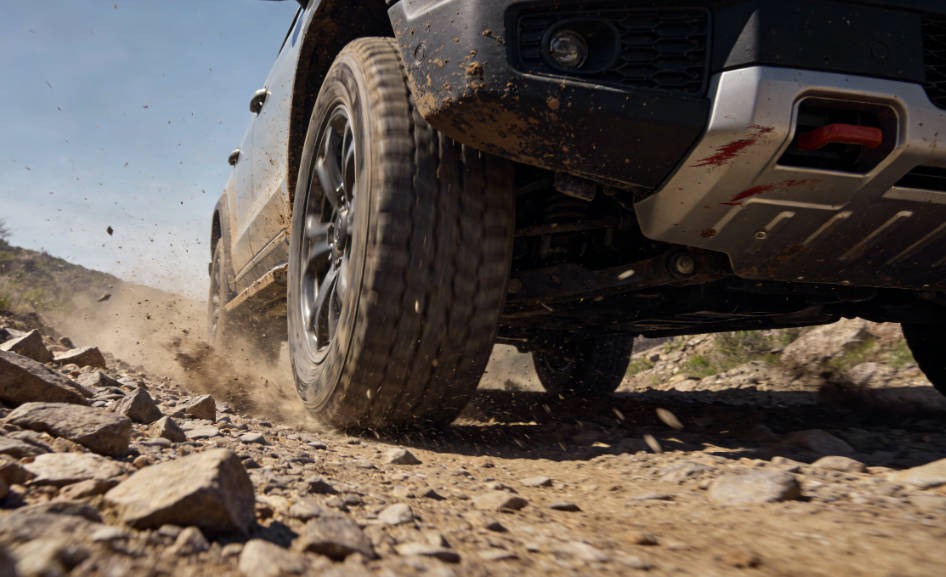
Mountain Driving Guide

Car driving on mountain road

Can a new car handle mountain roads and rough terrain? How much damage does it cause to the vehicle? A must-read for new car owners

AutoInsight Team January 22, 2026 47 Comments 289 Likes 1.2K Views

Understanding Your New Car's Capabilities

As a new car owner, the allure of exploring mountain roads and scenic trails can be irresistible. However, many new owners wonder: Can my new car handle these challenging conditions without sustaining damage?

The answer depends on several factors, including your vehicle's design, preparation, and driving technique. In this comprehensive guide, we'll explore how new cars perform on mountain roads and rough terrain, potential damage risks, and essential tips to protect your investment while enjoying off-road adventures.

Key Insight

Most modern passenger vehicles can handle well-maintained mountain roads, but true rough terrain requires specialized off-road vehicles with proper ground clearance, four-wheel drive, and durable components.
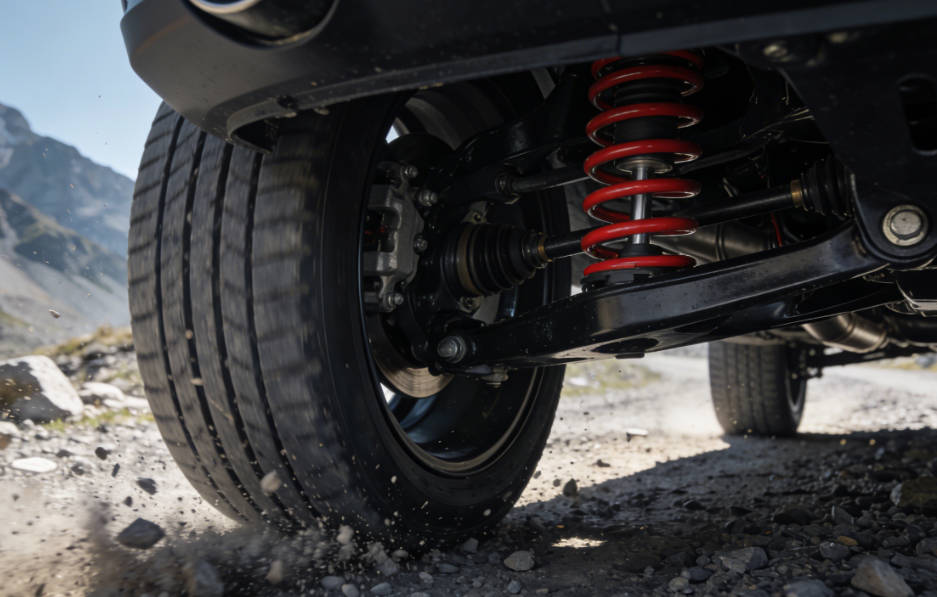
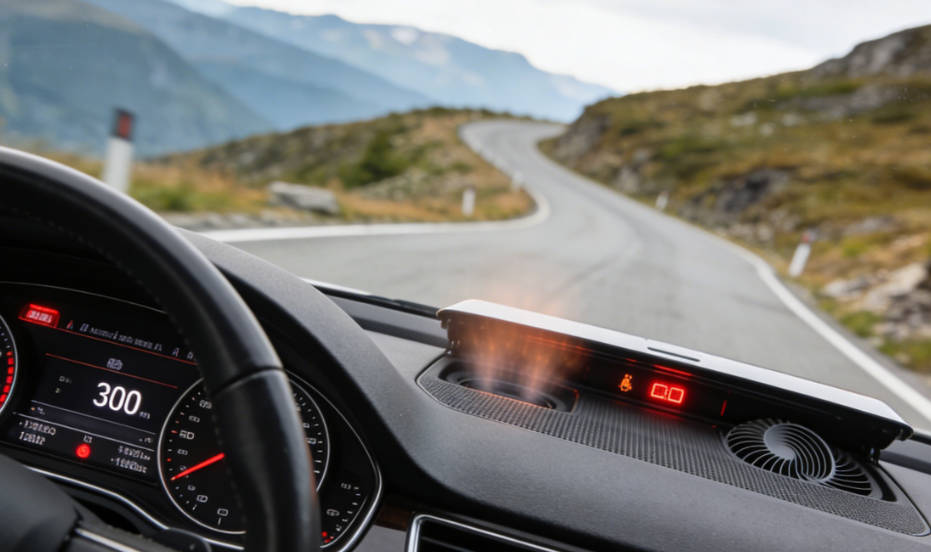
Car suspension system

How New Cars Perform on Mountain Roads

Modern passenger cars are designed to handle a variety of driving conditions, including well-paved mountain roads. Here's what you need to know:

Engine and Transmission Performance

New cars typically have sufficient power to climb steep grades, especially with modern fuel-injected engines and advanced transmissions. However, continuous uphill driving can put additional stress on the engine and cooling system.

  • Automatic transmissions may downshift frequently to maintain power
  • Engine temperature may rise slightly during sustained climbs
  • Turbocharged engines may experience more heat buildup
Car engine

Braking System Considerations

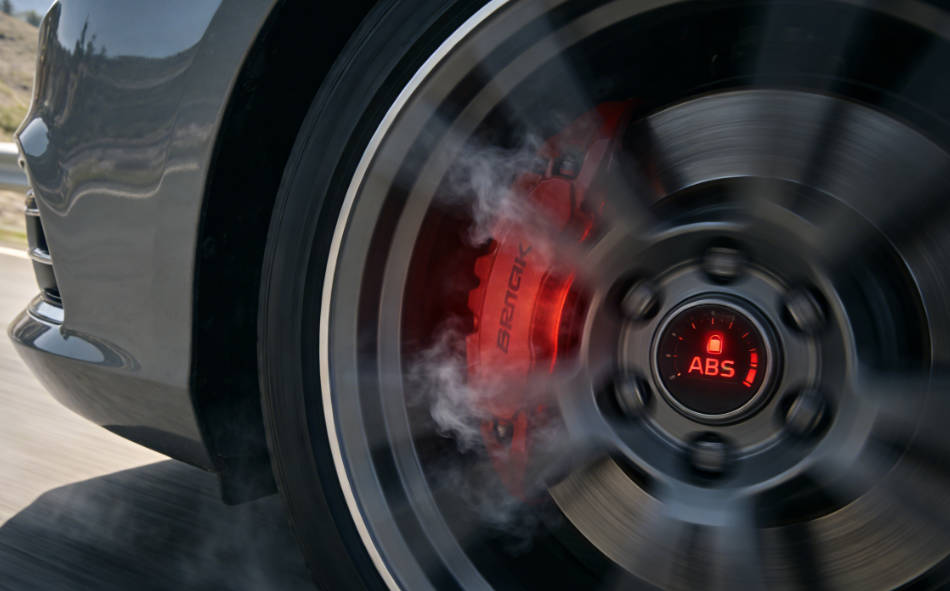
Descending mountain roads puts significant strain on your car's braking system. Continuous braking can cause brake fade, where the brakes lose effectiveness due to overheating.

Warning

Always use engine braking (downshifting) when descending steep grades to reduce brake wear and prevent overheating.

Car brakes

Suspension and Handling

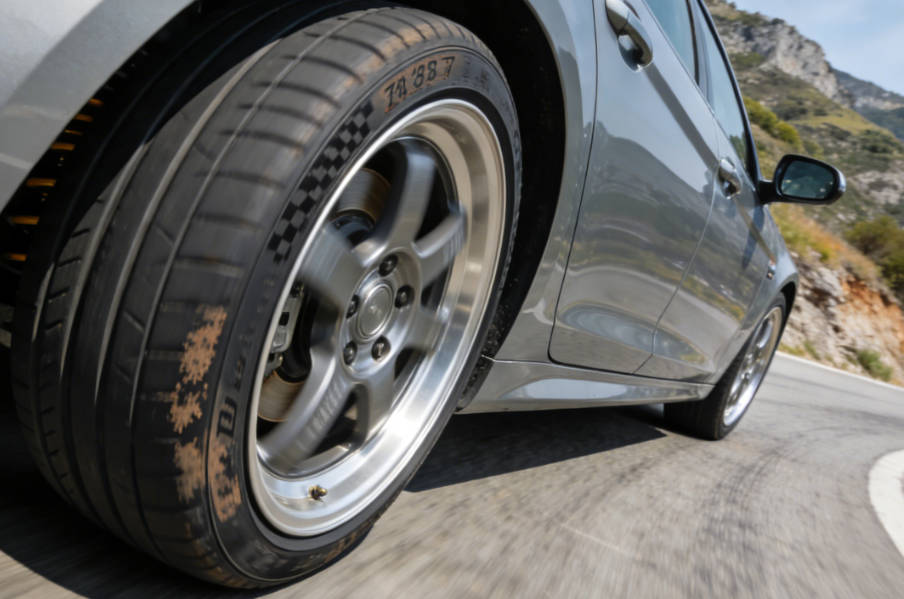
Curvy mountain roads test your car's suspension and handling capabilities. New cars with well-tuned suspensions can generally handle these conditions effectively, but higher speeds may reveal limitations in body roll and traction.

Key factors affecting mountain road handling:

  • Tire quality and tread depth
  • Suspension tuning (sport vs. comfort)
  • Vehicle weight distribution
  • Electronic stability control systems
Car handling curve

Potential Damage on Rough Terrain

Driving on true rough terrain (unpaved roads, rocky paths, muddy trails) poses more significant risks to your new car. Here are the most common types of damage:

Underbody Damage

Low ground clearance makes new cars vulnerable to underbody damage from rocks, stumps, and uneven terrain. This can damage oil pans, fuel lines, exhaust systems, and suspension components.

Tire and Wheel Damage

Sharp rocks, potholes, and debris can puncture tires or damage wheel rims. Sidewall damage from scraping against obstacles is particularly common on rough terrain.

Suspension Strain

Excessive bouncing and jolting can accelerate wear on suspension components like shocks, struts, and bushings. Severe impacts may cause bent control arms or broken springs.

Water and Debris Damage

Driving through water crossings or muddy areas can allow water and debris to enter sensitive components, causing electrical issues or mechanical failure.

Protecting Your New Car

With proper preparation and caution, you can minimize the risk of damage while enjoying mountain roads. Here are essential tips for new car owners:

Vehicle Preparation

  • Check tire pressure and tread depth before your trip
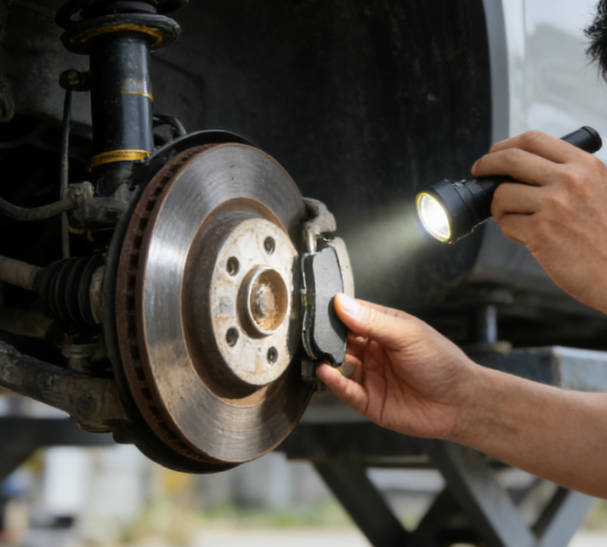
  • Inspect brakes, suspension, and fluid levels
  • Consider installing underbody protection if you frequently drive on rough roads
  • Carry essential supplies: spare tire, jack, tools, and emergency kit
Checking tire pressure

Driving Techniques

Your driving style has a significant impact on how your car handles challenging terrain:

  • Maintain a slow, steady speed on rough terrain
  • Avoid sudden acceleration, braking, or steering
  • Use lower gears for better control on steep grades
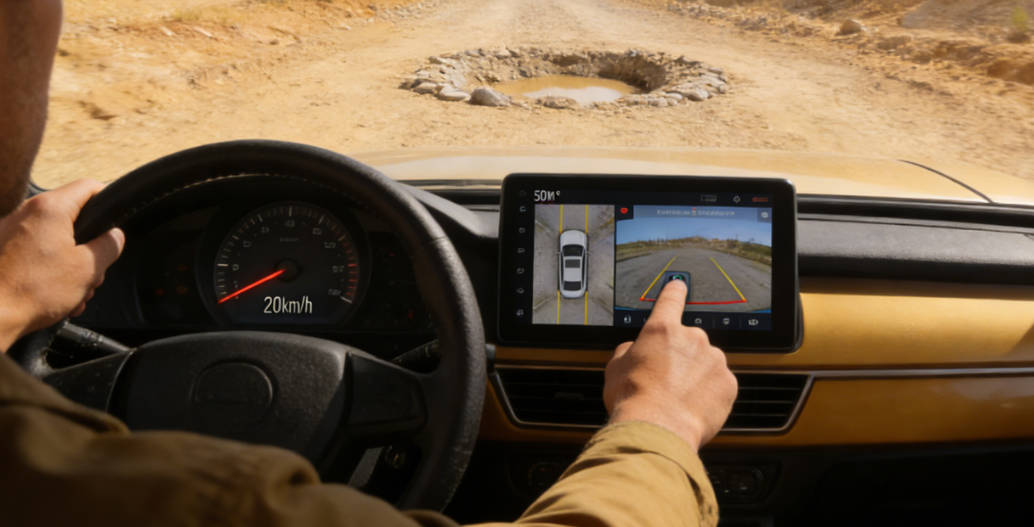
  • Scan the road ahead for obstacles and plan your path
  • When encountering obstacles, drive over them slowly at an angle if possible
Driving technique
"The best way to protect your new car on challenging terrain is to know its limits, prepare thoroughly, and drive responsibly. Enjoy the journey, but respect your vehicle's capabilities."

— Automotive Expert, AutoInsight

When to Avoid Rough Terrain

There are certain situations where even well-prepared new cars should avoid rough terrain:

Avoid These Conditions

  • Deep mud or water crossings (risk of engine hydrostatic lock)
  • Extremely rocky terrain with large obstacles
  • Steep inclines or declines beyond your comfort level
  • Terrain requiring more ground clearance than your vehicle has
  • Conditions where you might get stuck without assistance

Conclusion

New cars can indeed handle well-maintained mountain roads with proper preparation and driving technique. However, true rough terrain poses significant risks to standard passenger vehicles.

Remember these key takeaways:

  1. Know your limits: Understand your vehicle's capabilities and don't push it beyond its design parameters.
  2. Prepare thoroughly: Inspect your car and carry essential supplies before heading to challenging terrain.
  3. Drive responsibly: Use appropriate driving techniques to minimize stress on your vehicle.
  4. Consider alternatives: For frequent off-road adventures, consider a vehicle specifically designed for rough terrain.

By following these guidelines, you can enjoy the beauty of mountain roads while protecting your new car investment. Always prioritize safety and vehicle care during your adventures!

Car at scenic viewpoint

Leave a Comment